Service doctor
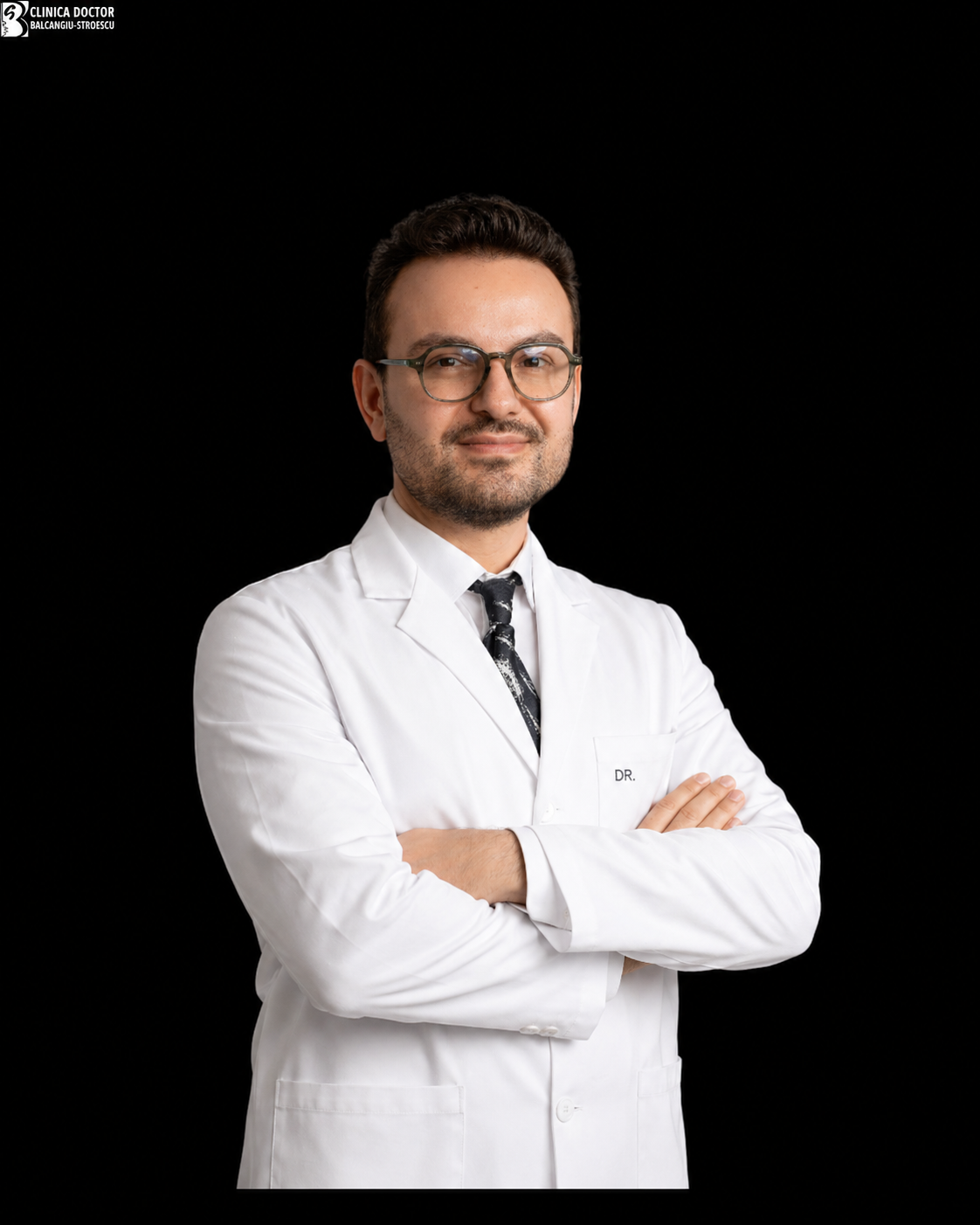
Gabriel-Cosmin Balcangiu-Stroescu
Primary Care Physician Dermatology
View profileStretch marks are modifications of skin structure that appear as a result of rapid stretching of the skin. They are frequently encountered during periods such as rapid growth, pregnancy, weight fluctuations, or hormonal changes. Stretch marks can appear on the abdomen, thighs, buttocks, breasts, or arms and may initially have a reddish or purplish color, subsequently becoming whitish. Following medical consultation, the physician evaluates the type and stage of stretch marks and establishes a personalized treatment plan, utilizing modern medical aesthetic procedures and technologies available in the clinic to improve skin texture and appearance.
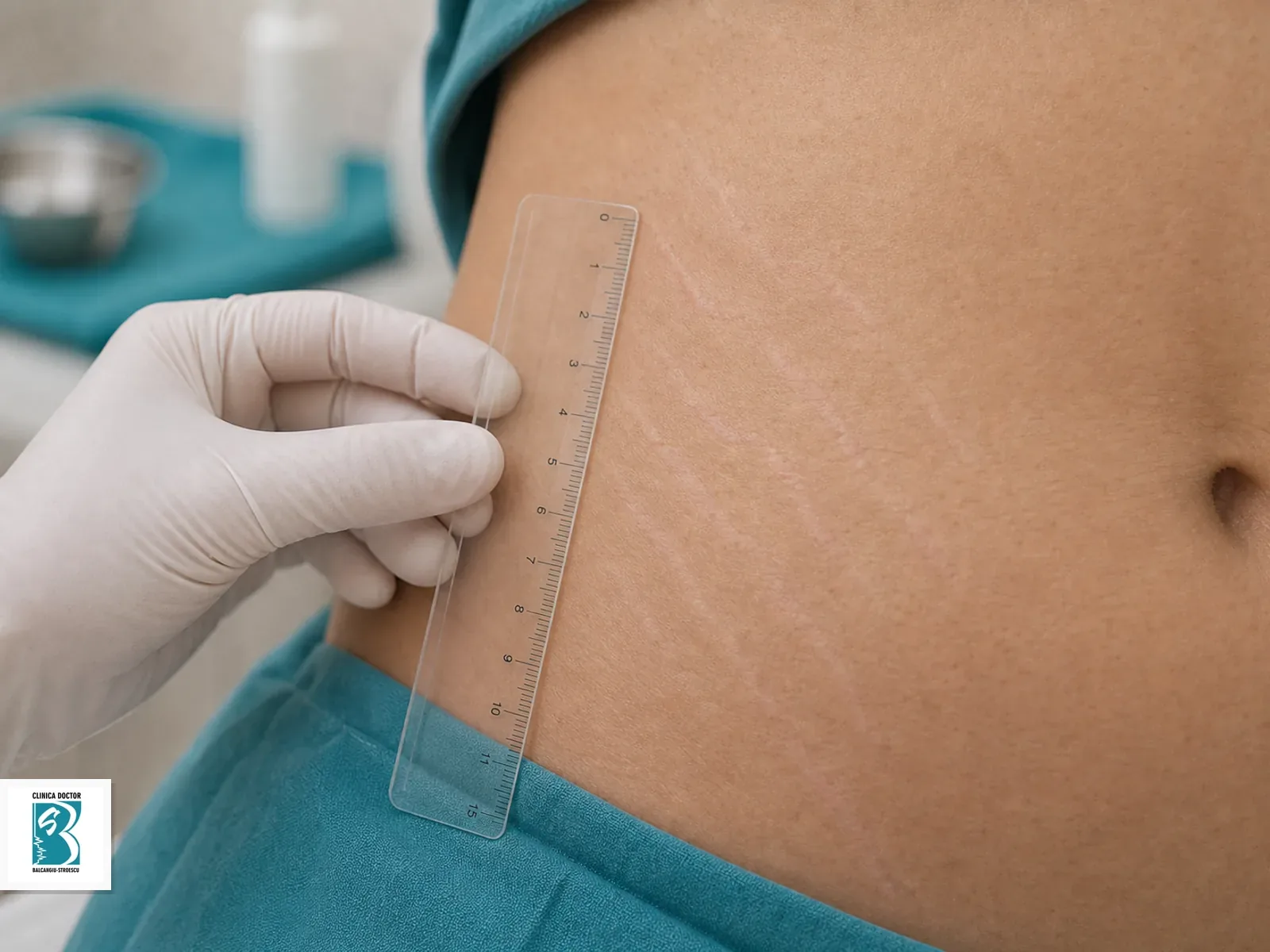
Procedural image for assessing stretch marks, their length and distribution.
Stretch marks
Available at:
Stretch marks represent changes in the dermis that occur when skin is subjected to rapid stretching or when collagen and elastin fibers are affected. These can appear at different stages of life, including during puberty, during pregnancy, following weight fluctuations, or as a result of hormonal changes.
Initially, stretch marks may have a reddish or purple coloration (striae rubrae), and over time they can become whitish (striae albae). Although they do not represent a severe medical condition, they can constitute an important aesthetic concern for many patients.
In modern aesthetic medicine, the treatment of stretch marks involves a complex and personalized approach. The procedures used can contribute to stimulating skin regeneration, increasing collagen production, and improving skin texture and appearance.
During the medical consultation, the physician evaluates the affected area, the type and stage of stretch marks, as well as skin characteristics, establishing a personalized treatment plan adapted to each patient.
The procedures available in the clinic contribute to:
Optimal treatment is determined following medical consultation, depending on the stage of stretch marks, the area treated, and the skin characteristics of each patient.
Patient trust
5.0 / 5 from 31 published patient reviews
FREQUENTLY ASKED QUESTIONS