Clinica Doctor Balcangiu-Stroescu

Blog

News, insights, and health articles

Articles

Latest Posts

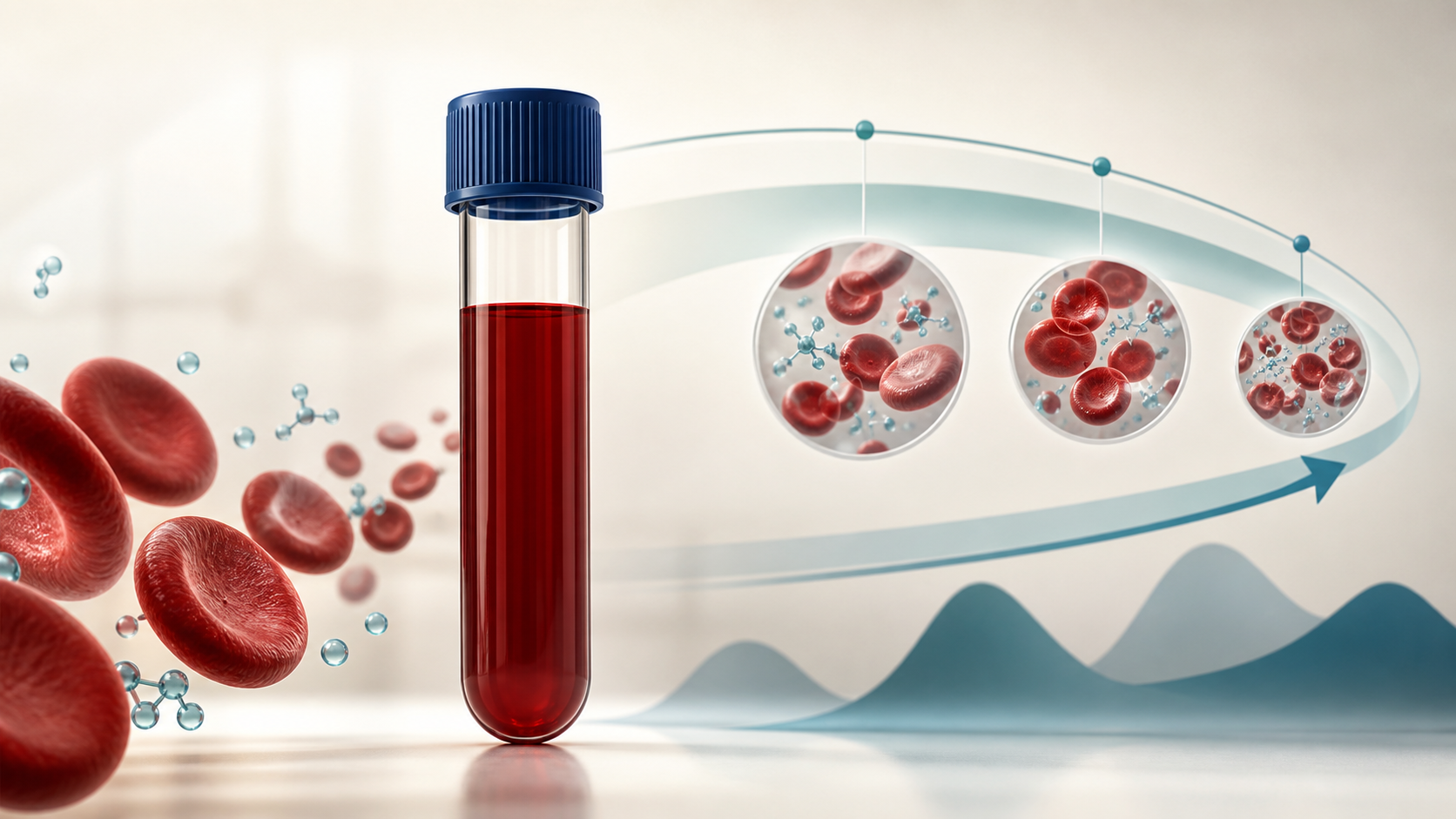
When do we indicate medication treatment for weight loss?

Obesity is a chronic disease associated with an increased risk of type 2 diabetes mellitus, cardiovascular diseases, and other metabolic complications. Although a balanced diet and physical activity represent the basis of treatment, in some cases these are not sufficient to achieve or maintain weight loss. In these situations, medication treatment can be a useful option, as it acts on the biological mechanisms that regulate appetite, satiety, and metabolism. This type of treatment is generally indicated in patients with BMI ≥ 30 kg/m² or in those with BMI ≥ 27 kg/m² in the presence of comorbidities, such as type 2 diabetes mellitus, hypertension, or dyslipidemia. Medication treatment can contribute to weight loss of approximately 5–15%, with significant benefits on metabolic health, being used as part of a comprehensive medical program that includes lifestyle modifications and periodic monitoring.

March 12, 2026Andra-Elena Balcangiu-Stroescu

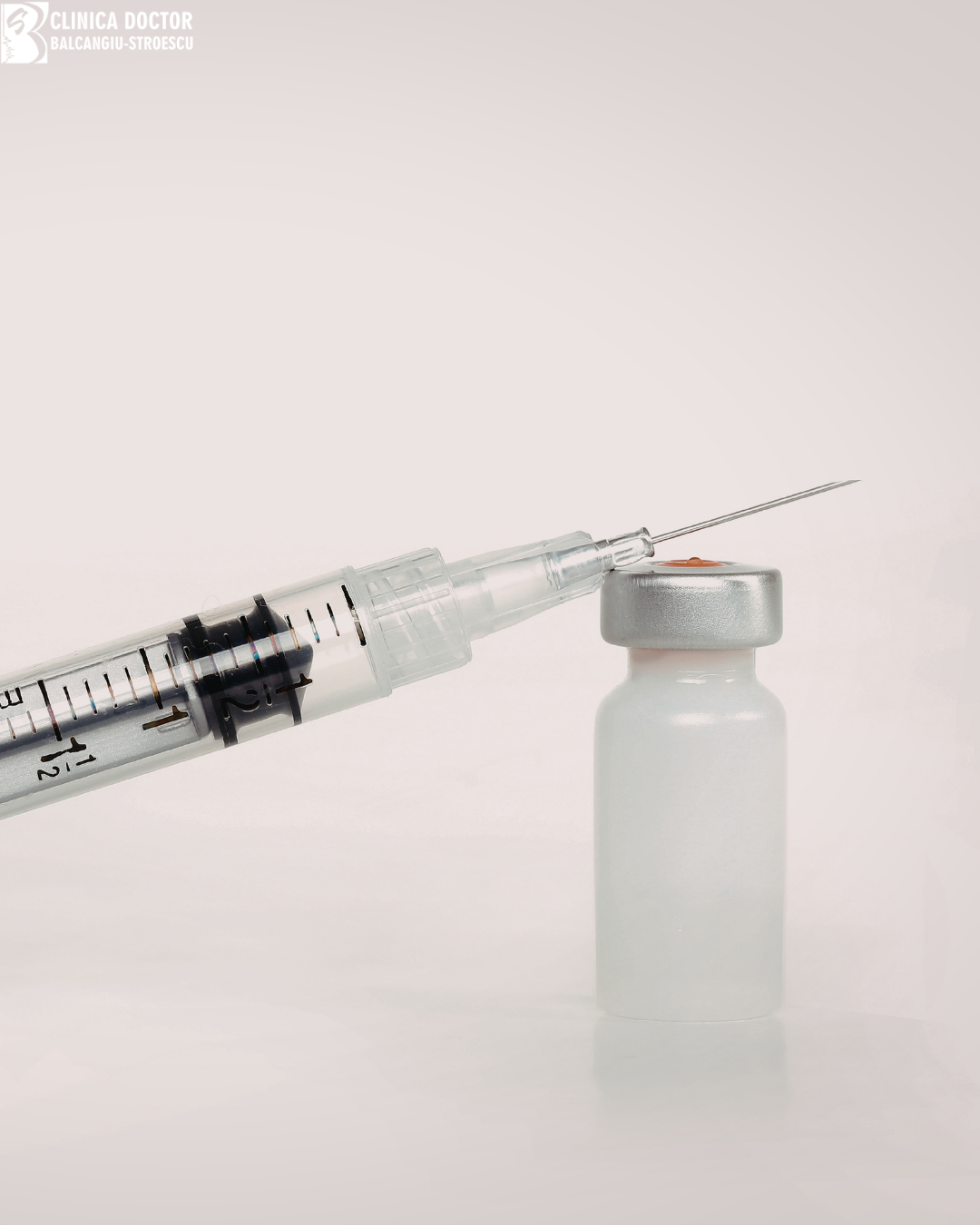
When do we indicate tirzepatide in the treatment of obesity?

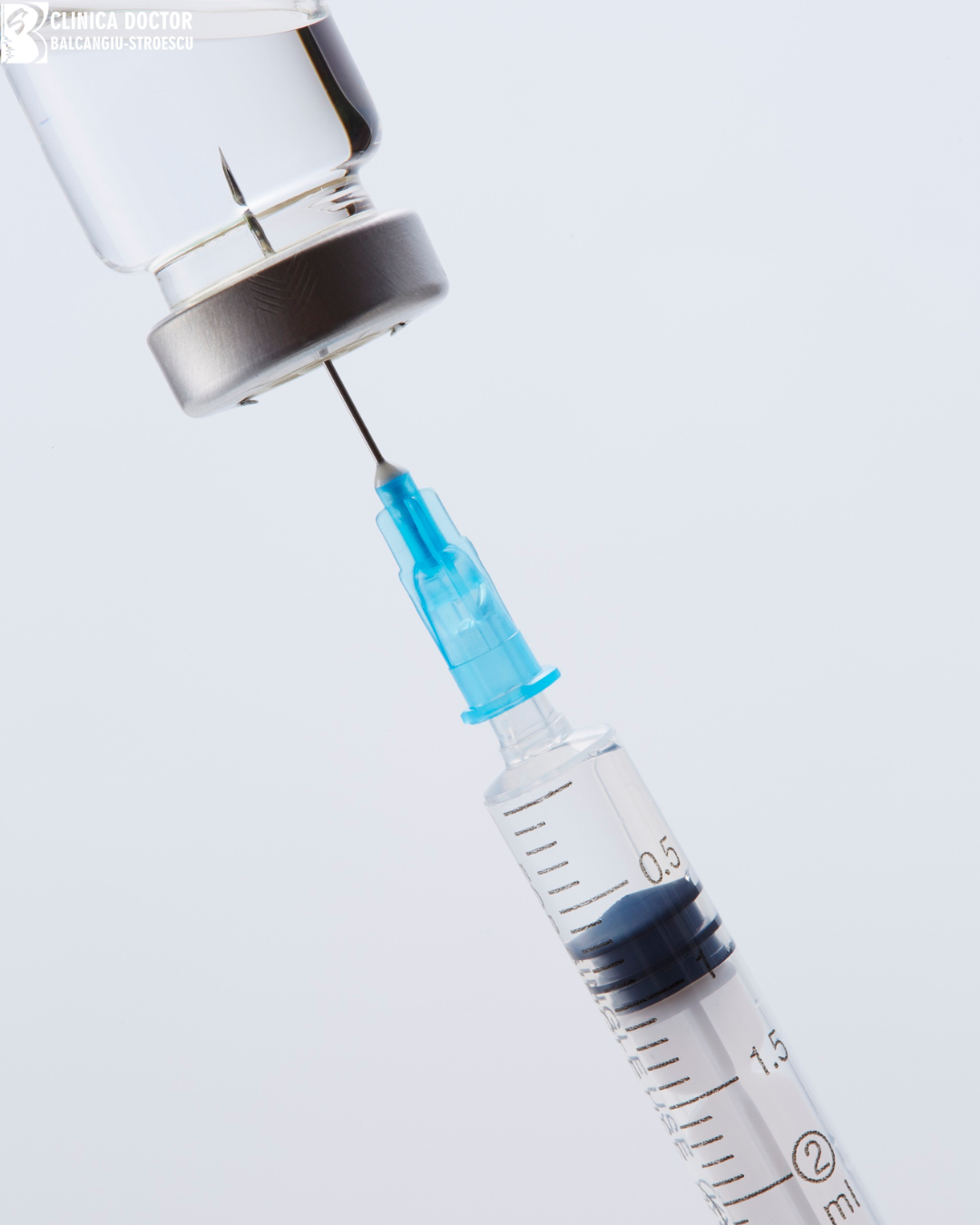
Obesity is a chronic disease associated with an increased risk of type 2 diabetes mellitus, cardiovascular disease, and other metabolic complications. When lifestyle modifications are insufficient for effective weight loss, pharmacological treatment can become an important option. Tirzepatide is an injectable medication administered once weekly, which acts on GIP and GLP-1 receptors, reducing appetite, increasing satiety sensation, and improving glycemic control. Treatment is indicated in patients with BMI ≥ 30 kg/m² or in those with BMI ≥ 27 kg/m² in the presence of comorbidities such as type 2 diabetes mellitus, hypertension, or dyslipidemia. Clinical studies show that tirzepatide can produce weight loss of approximately 15–22%, being used as part of a comprehensive program that includes balanced nutrition, physical activity, and medical monitoring.

March 12, 2026Andra-Elena Balcangiu-Stroescu

When do we indicate semaglutide in the treatment of obesity?

Obesity is a chronic disease associated with an increased risk of type 2 diabetes mellitus, cardiovascular diseases, and other metabolic complications. When lifestyle modifications are insufficient for weight loss, pharmacological treatment may represent an effective option. Semaglutide is a medication from the class of GLP-1 receptor agonists, administered once weekly by subcutaneous injection. It acts by reducing hunger sensation, increasing satiety, and decreasing caloric intake, thereby contributing to weight loss and improvement of glycemic control. Treatment is indicated in patients with BMI ≥ 30 kg/m² or in those with BMI ≥ 27 kg/m² in the presence of comorbidities, such as type 2 diabetes mellitus, hypertension, or dyslipidemia. Clinical studies show that semaglutide can produce weight loss of approximately 10–15%, being used as part of a comprehensive program that includes balanced nutrition, physical activity, and medical monitoring.

March 12, 2026Andra-Elena Balcangiu-Stroescu

Ready to schedule?

Book an appointment online or contact us for more details.