
Service doctor
Gabriel-Cosmin Balcangiu-Stroescu
Primary Care Physician Dermatology
View profileDark circles and tired appearance of the eyes can appear due to loss of volume, hyperpigmentation, or thinning of the skin in the periocular area.
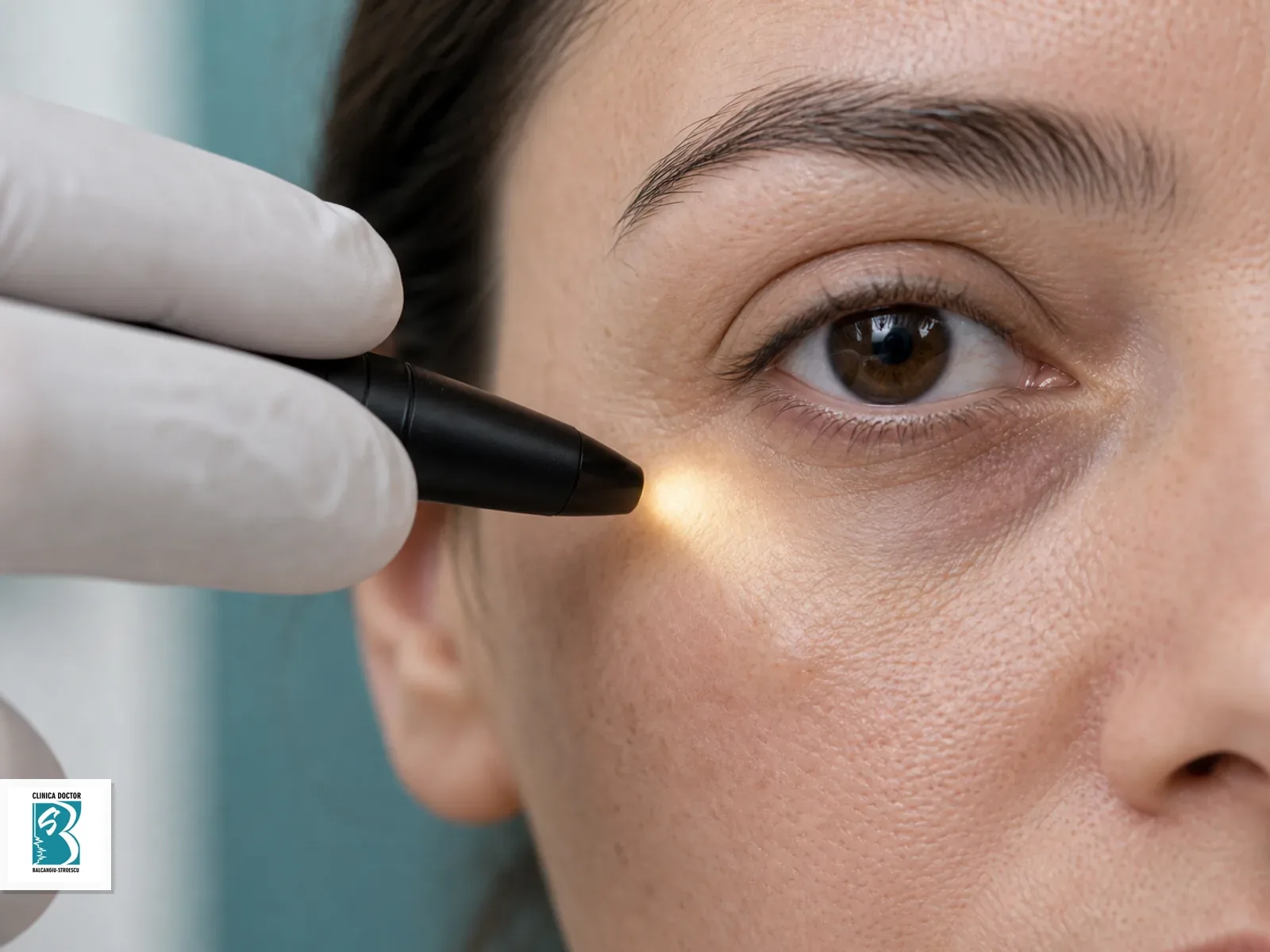
Procedural image for assessing dark circles, periocular shadow and under-eye skin quality.
Dark circles and periocular area
Available at:
Dark circles and aesthetic changes in the periocular area are a frequent concern for patients and can have multiple causes. Among the factors involved are genetic predisposition, thinning of the skin at the periocular level, loss of facial volume, skin hyperpigmentation, and reduced blood circulation.
The periocular zone is one of the most delicate regions of the face, and changes that appear at this level can accentuate the appearance of fatigue and can give the face an aged appearance.
For this reason, the treatment of dark circles requires a personalized approach, adapted to the predominant cause and individual characteristics of the skin.
Modern aesthetic medicine offers efficient, minimally invasive solutions for improving the appearance of the periocular area. The procedures used can contribute to volume restoration, stimulation of skin regeneration, and improvement of skin texture and quality.
During the medical consultation, the physician evaluates the type of dark circles, the degree of hyperpigmentation, skin thickness, and any volume changes, establishing a personalized treatment plan adapted to each patient.
The procedures available in the clinic contribute to:
The optimal treatment is established following medical consultation, depending on the cause of dark circles, skin characteristics, and the patient's aesthetic objectives.
Patient trust
5.0 / 5 from 31 published patient reviews
FREQUENTLY ASKED QUESTIONS