Service doctor
Raluca Lascu
Dermatology Specialist Physician
View profileDull and dehydrated skin is a frequent aesthetic problem and can occur as a result of exposure to environmental factors, stress, fatigue, or the natural process of skin aging. Lack of hydration and decreased collagen production can lead to loss of skin luminosity, a tired appearance, and uneven texture. During the medical consultation, the physician evaluates the skin type and factors that may contribute to its dehydration, establishing a personalized treatment plan that may include procedures for deep hydration, collagen stimulation, and skin rejuvenation.
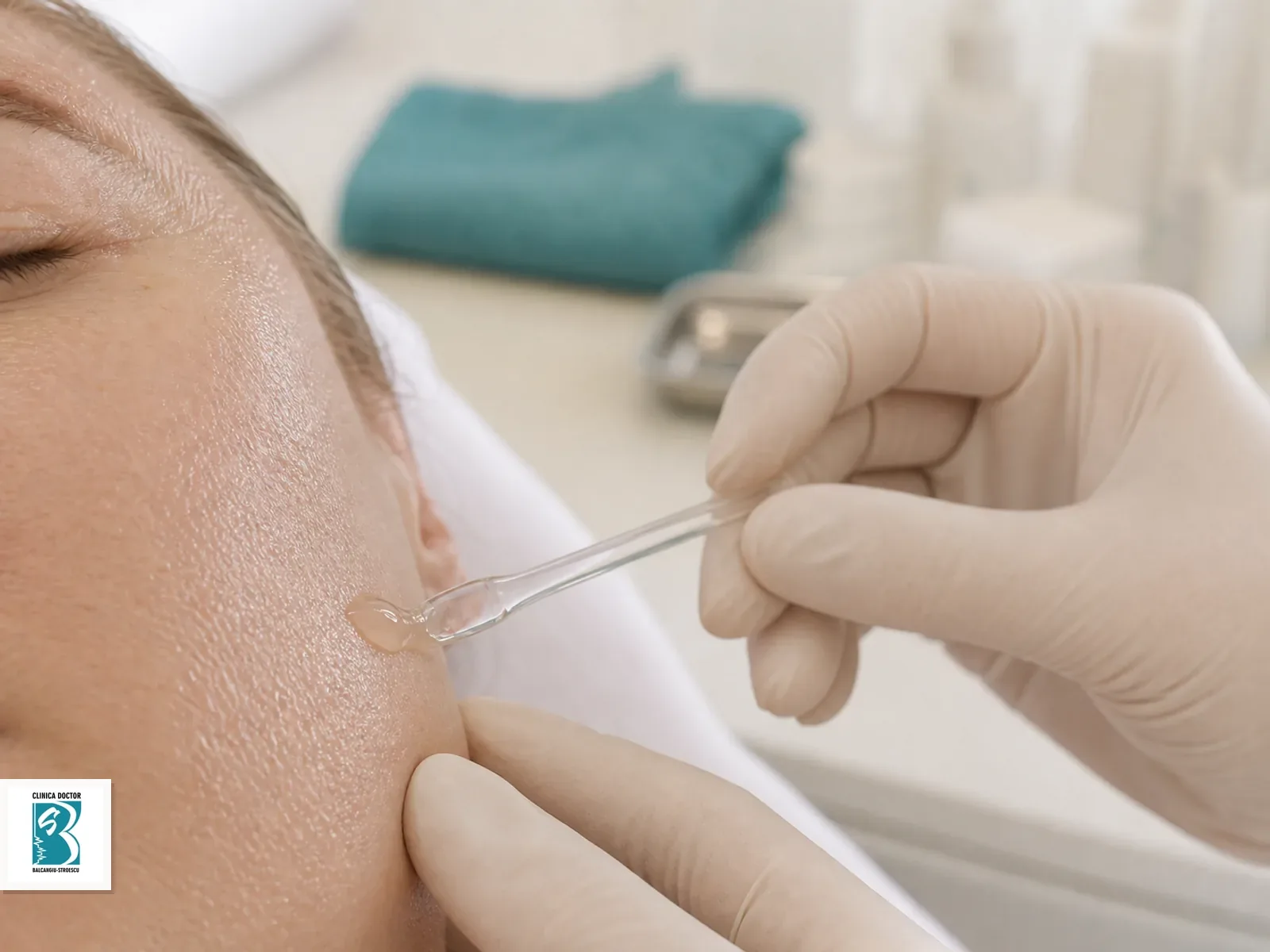
Procedural image for planning treatment of dull, dry and low-luminosity skin.
Pale and dehydrated skin (tired skin, lack of luminosity)
Available at:
Dull and dehydrated skin appears frequently when natural cellular regeneration processes are slowed or when the skin barrier function is impaired. This aesthetic problem manifests through loss of skin luminosity, tired appearance, uneven texture, and accentuation of fine lines.
Factors that can contribute to the appearance of dull skin include exposure to ultraviolet radiation, pollution, stress, fatigue, dehydration, as well as the natural skin aging process. Over time, the decrease in collagen and elastin production leads to reduced elasticity and skin hydration levels.
In modern aesthetic medicine, the treatment of dull and dehydrated skin involves a comprehensive and personalized approach. The procedures used can contribute to deep skin hydration, stimulation of skin regeneration, and improvement of skin quality, texture, and luminosity.
During the medical consultation, the physician evaluates skin type, degree of dehydration, and factors contributing to the dull appearance of the skin, establishing a personalized treatment plan adapted to each patient.
Procedures available in the clinic contribute to:
Optimal treatment is established following medical consultation, depending on skin type, degree of dehydration, and the patient's aesthetic objectives.
Patient trust
5.0 / 5 from 31 published patient reviews
FREQUENTLY ASKED QUESTIONS
TEAM