Service doctor
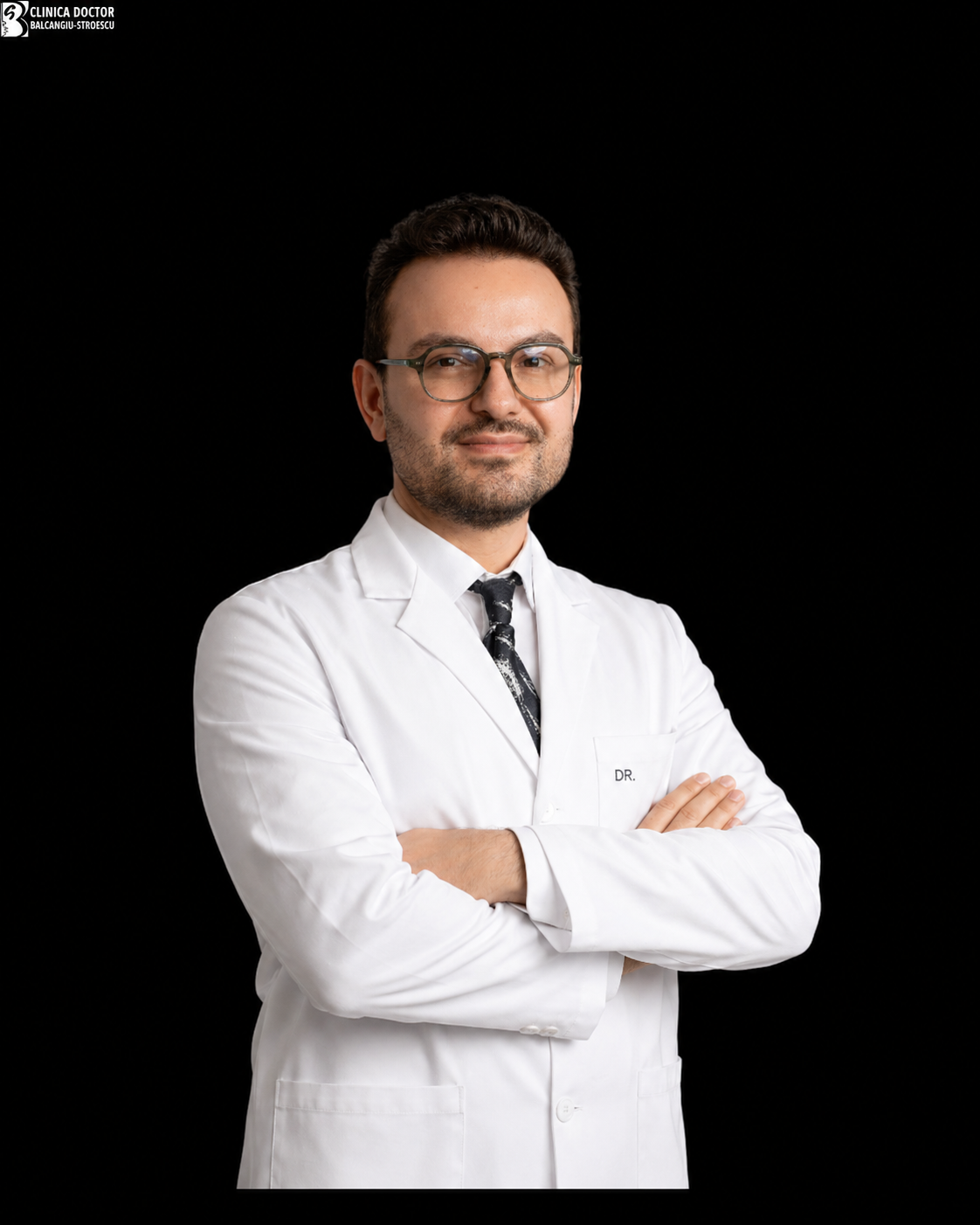
Gabriel-Cosmin Balcangiu-Stroescu
Primary Care Physician Dermatology
View profilePost-acne scars and facial scars can appear as a result of inflammatory skin processes, acne lesions, or other cutaneous trauma. These can cause changes in skin texture, depressed areas, or uneven relief, affecting the uniform appearance of the complexion. During the medical consultation, the physician evaluates the type of scars and skin characteristics, establishing a personalized treatment plan that may include dermatological procedures and modern technologies available in the clinic to stimulate skin regeneration and improve skin texture.
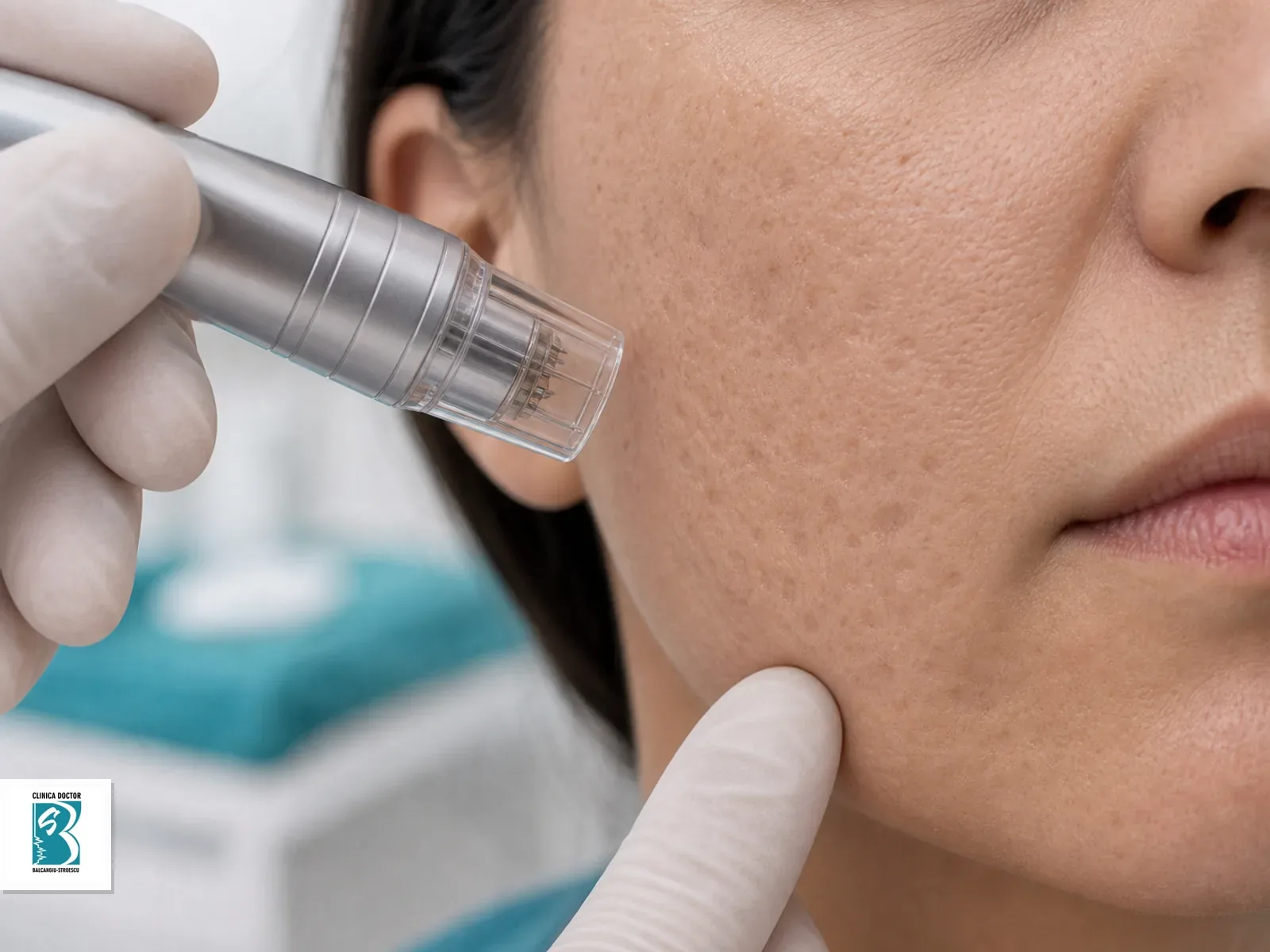
Procedural image for assessing post-acne scars and uneven facial texture.
Post-acne scars and facial scars
Available at:
Post-acne scars and facial scars appear as a result of inflammatory processes of the skin or cutaneous trauma that affects the structure of the dermis. These can occur as a result of severe acne, dermatological procedures, or other cutaneous lesions.
Scars can have different shapes and depths, including atrophic scars (depressed), hypertrophic scars, or scars associated with uneven texture. These changes can affect the overall appearance of the skin and can result in irregular skin relief.
In modern dermatological and aesthetic medicine, scar treatment involves a comprehensive and personalized approach. The procedures used can contribute to stimulating skin regeneration, increasing collagen production, and improving skin texture and quality.
During medical consultation, the doctor evaluates the type of scars, their depth, and skin characteristics, establishing a personalized treatment plan adapted to each patient.
The procedures available in the clinic contribute to:
Optimal treatment is determined following medical consultation, based on the type of scars, skin characteristics, and aesthetic goals of the patient.
Patient trust
5.0 / 5 from 31 published patient reviews
FREQUENTLY ASKED QUESTIONS