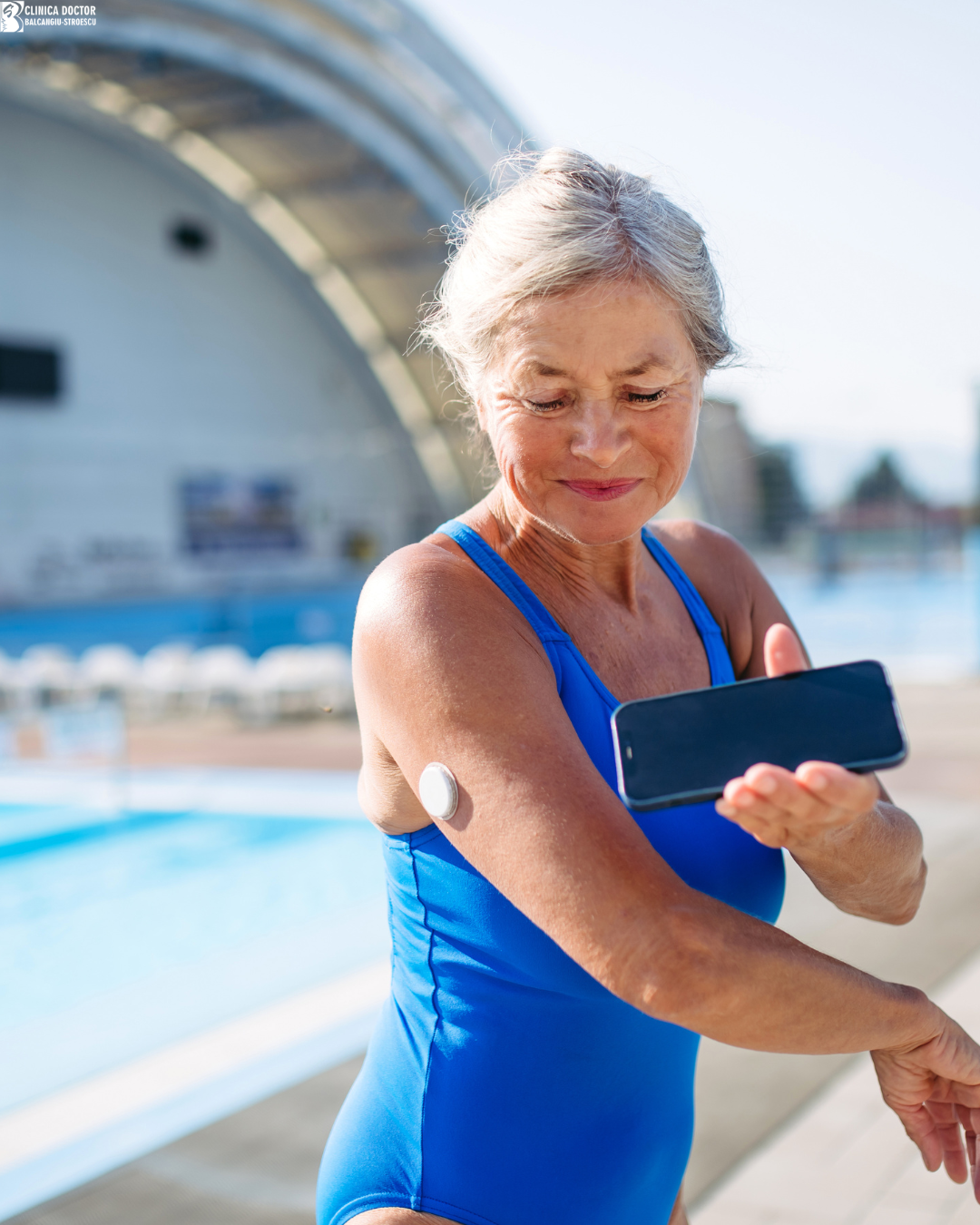
Blood glucose sensors (CGM – Continuous Glucose Monitoring) have become a real help in modern diabetes management. However, choosing a suitable system can be difficult because there are several options on the market, each with advantages and limitations.
In this article we compare the most used systems: Medtronic, FreeStyle Libre, Dexcom, Sibionics and Linx, so you can make the right choice based on your needs.
What to look for when choosing a sensor
Before comparison, here are the essential criteria:
- accuracy (the most important factor)
- wear duration
- existence of alerts (hypo/hyper)
- compatibility with insulin pumps
- ease of use
- cost and availability
Comparing major CGM systems
Dexcom (G6 / G7)
👉 Considered the "gold standard" in many guidelines
Advantages:
- very good accuracy (among the highest)
- real-time alerts (hypo/hyper)
- integration with insulin pumps
- automatic glucose update every few minutes
- very well developed application
Disadvantages:
- higher cost
- sensor needs to be changed more frequently (≈10–15 days)
👉 Best for:
✔ patients with type 1 diabetes
✔ intensive insulin therapy
✔ strict glycemic control
FreeStyle Libre (2 / 3)
👉 The most popular and accessible system
Advantages:
- lower cost
- very small and discreet sensor
- longer duration (≈14–15 days)
- frequent updates (up to every minute)
Disadvantages:
- some older models require scanning the sensor with the phone to get the glucose value
- limited integration with pumps
- slightly less accurate in case of rapid fluctuations
👉 Best for:
✔ type 2 diabetes
✔ patients without insulin or with simple treatment
✔ those who want reduced cost
Medtronic (Guardian / Simplera)
👉 Powerful integration with insulin pump systems
Advantages:
- excellent integration with pump systems
- automation (in some systems → "closed loop")
- advanced options for type 1 diabetes
Disadvantages:
- some models require calibration
- accuracy can be more variable compared to Dexcom/Libre
- shorter sensor duration (≈7 days)
- very high cost
👉 Best for:
✔ insulin pump users
✔ advanced type 1 diabetes
Sibionics
👉 a newer and more accessible alternative
Advantages:
- competitive price
- good performance for cost
- evolving technology
Disadvantages:
- fewer clinical data
- accuracy can be lower in certain situations
- less developed ecosystem
👉 Best for:
✔ patients with limited budget
✔ general monitoring, not very intensive
✔ prediabetes
✔ nutritional / lifestyle monitoring
Linx
👉 new category, in development
Advantages:
- oriented toward prevention / lifestyle
- easy to use
- some models without prescription
Disadvantages:
- less clinically validated
- not ideal for insulin therapy
- limited functionality
👉 Best for:
✔ prediabetes
✔ nutritional / lifestyle monitoring
🏆 Quick conclusion
👉 If you want the best accuracy and strict control → Dexcom
👉 If you want balance between price and performance → FreeStyle Libre
👉 If you use an insulin pump → Medtronic
👉 If you have a limited budget → Sibionics
👉 If you want simple monitoring → Linx
⚠️ Common mistake in choosing
Many patients choose the sensor based on price alone.
👉 The correct approach is to choose based on:
- type of diabetes
- treatment
- risk of hypoglycemia
- your goals
Medical recommendation
There is no universally "best sensor".
👉 There is only:
✔ the right sensor for the right patient
❓ Frequently Asked Questions (FAQ)
Which is the most accurate sensor?
Dexcom and FreeStyle Libre 3 are considered among the most accurate systems currently available
Which is the cheapest?
FreeStyle Libre and Sibionics are usually more affordable.
Which is best for type 1 diabetes?
Dexcom or Medtronic (especially with a pump).
Can I use a sensor if I don't have diabetes?
Yes, some systems (e.g. Linx) are also oriented toward metabolic monitoring.
When to talk to your diabetologist
It is important to choose the sensor together with your doctor if:
- you are starting insulin therapy
- you have frequent hypoglycemia
- you have gestational diabetes
- you want to optimize your treatment
📞 Schedule an appointment for evaluation
For the correct choice of sensor and data interpretation:
👉 Schedule a diabetology consultation and a personalized plan