If you want to lose weight, the first step is not a restrictive diet, but a correct plan, adapted to your needs.
An efficient weight loss plan does not mean quick fixes, but sustainable changes that improve your health in the long term.
In this article we explain where you start and what are the essential steps for real results.
1. Understand why you want to lose weight
The first step is to clarify your objective:
- metabolic health
- reduction of diabetes risk
- improvement of general condition
- physical appearance
👉 The right motivation helps you maintain results.
2. Evaluate your starting point
Before you start, it is important to know:
- current weight
- body mass index (BMI)
- abdominal circumference
- basic analysis
👉 These data define the strategy.
3. Perform the necessary tests
For a correct plan, the following are useful:
- fasting blood glucose and HbA1c
- insulinemia
- complete lipid profile
- TSH, fT4
- liver function
- kidney function
- uric acid
- vitamin and mineral levels
- inflammatory status
👉 Identify any metabolic problems.
4. Build a realistic eating plan
An efficient plan does NOT mean:
❌ starvation
❌ extreme diets
👉 but:
✔ regular meals
✔ balance between proteins, carbohydrates and fats
✔ healthy sources of macro and micronutrients
✔ portion control
5. Create a moderate caloric deficit
For weight loss:
👉 you need to consume fewer calories than you burn
✔ moderate deficit = sustainable results
❌ too large deficit = risk of yo-yo effect (rapid weight loss followed by stagnation and later weight regain)
6. Include physical activity
Movement is essential:
- increases calorie expenditure
- maintains muscle mass
- improves metabolism
- supports the cardiovascular system
👉 Ideal:
- brisk walking daily
- strength training 2–3 times/week
7. Do not ignore sleep
Sleep directly influences weight loss:
- regulates hunger hormones
- reduces appetite
👉 7–8 hours/night are essential.
8. Manage stress
Chronic stress can block weight loss:
- increases cortisol
- promotes fat storage especially in the abdominal area
👉 Solutions:
- daily movement
- routine
- relaxation techniques: breathing, meditation, mindfulness, maintaining a gratitude journal
9. Monitor progress correctly
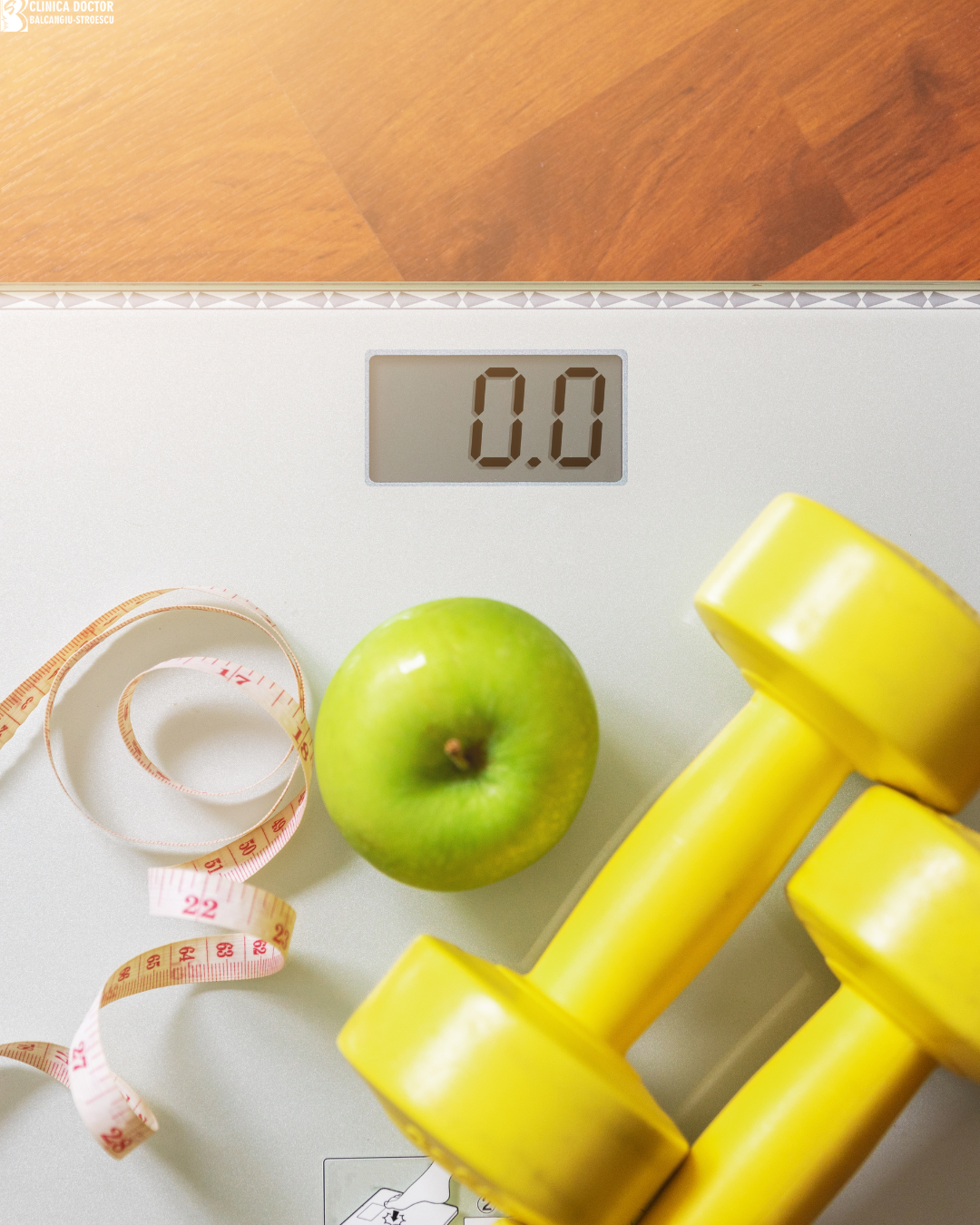
Do not rely on the scale alone.
👉 Track:
- circumferences
- body composition
- how your clothes fit
10. Avoid common mistakes
- restrictive diets
- lack of a plan
- giving up too soon
- comparing yourself to others
👉 Weight loss is an individual process that can progress and evolve differently depending on each person's characteristics.
💡 What does a healthy pace mean
👉 Recommended loss:
✔ 0.5–1 kg per week
When you need medical help
Consult a doctor if:
- you cannot lose weight after repeated attempts
- you want a monitored weight loss process and improvement of metabolic and inflammatory status
- you have diabetes or prediabetes
- you have insulin resistance
- your BMI > 25 kg/m2
❓ Frequently Asked Questions (FAQ)
Do I have to give up carbohydrates?
No, balance is key. What matters is not just the amount, but also the type of carbohydrates consumed and their combination with other food groups.
Can I lose weight without exercise?
Yes, but more difficult and slower. However, the most problematic issue is maintaining results without regular physical activity.
How long does it take to see results?
Generally, the first results appear in a few weeks, but progress can vary depending on individual characteristics.
📞 Schedule your evaluation
For a personalized plan and lasting results:
👉 Schedule a diabetology and metabolic consultation.