Clinica Doctor Balcangiu-Stroescu

A single injection for cholesterol — from dreams to first human results

A single injection for cholesterol — from dreams to first human results
Useful information
June 1, 2026Andra-Elena Balcangiu-Stroescu

Imagine that instead of taking a pill every morning for the rest of your life, you receive a single injection — and cholesterol remains controlled for years, possibly permanently. This is no longer fiction. It is the direction towards which cardiovascular medicine is heading, with carefully verified steps, in 2026.

The problem we all know — but underestimate

Cardiovascular diseases remain the leading cause of death globally, and elevated LDL cholesterol and high triglycerides are two of the most important modifiable risk factors. We have effective treatments — statins, PCSK9 inhibitors, inclisiran — but all have a fundamental limitation: they must be administered throughout life.

"Half of patients treated with cholesterol medications stop treatment within one year," says Dr. Steven Nissen, Chief Academic Officer of the Heart, Vascular and Thoracic Institute at Cleveland Clinic. This clinical reality — which every physician knows from their own practice — is precisely why research has sought a different solution.

What is CTX310 and how does it work

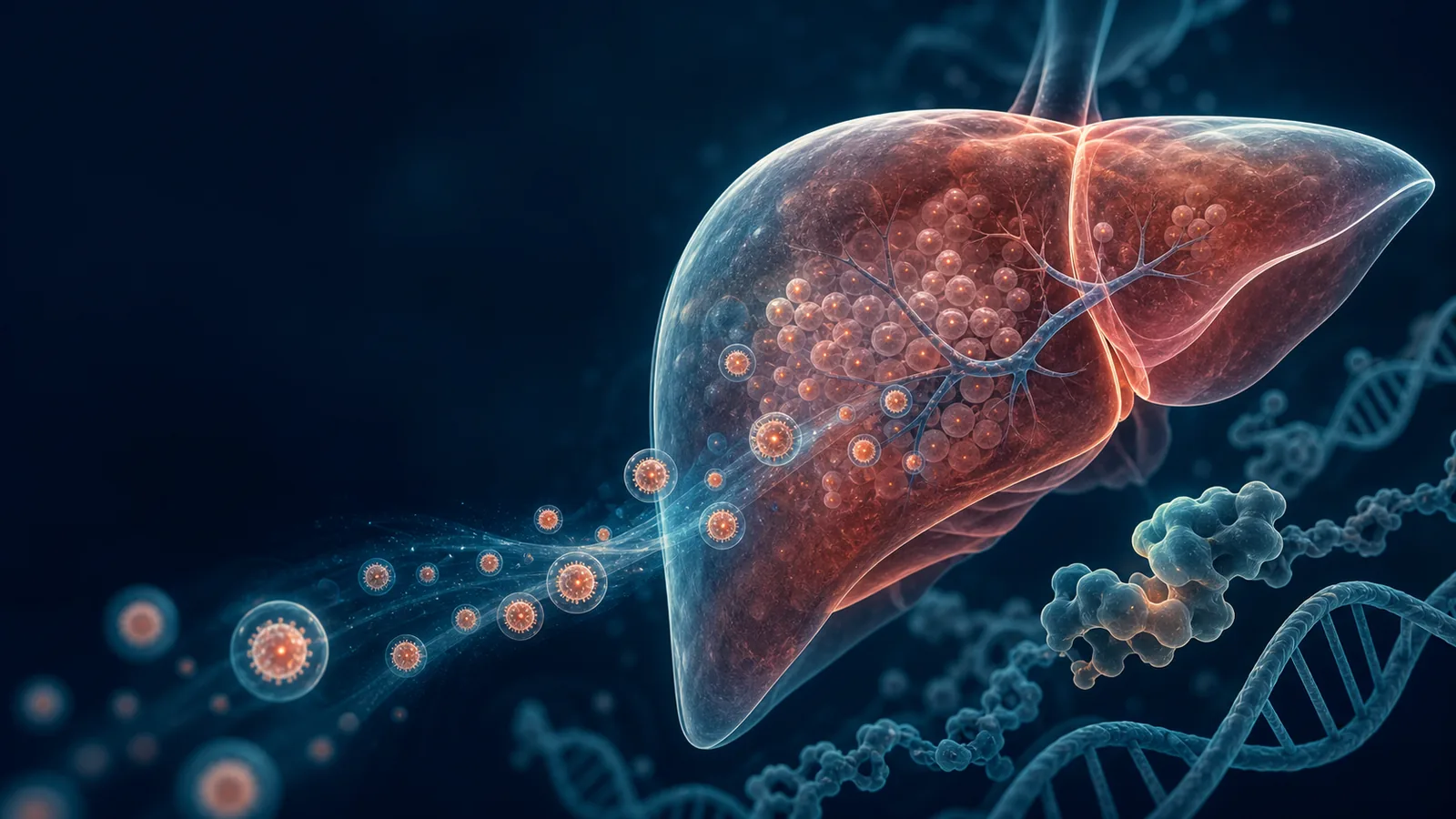
CTX310 is an experimental treatment based on CRISPR-Cas9 technology, administered as a single intravenous infusion. Mechanism of action: it carries the CRISPR genetic editing system directly into liver cells, where it permanently deactivates a gene called ANGPTL3.

Why ANGPTL3? People born with natural mutations that deactivate ANGPTL3 have low levels of cholesterol and triglycerides throughout their lives, with no apparent harmful effects, and a lower risk of atherosclerotic cardiovascular disease. The therapeutic logic is elegant: if nature has demonstrated that the absence of this gene is safe and beneficial, we can artificially reproduce the same effect through genetic editing.

Technically, CTX310 is a therapy with mRNA and CRISPR-Cas9 guide RNA, encapsulated in lipid nanoparticles, which induces a permanent "loss-of-function" mutation in the hepatic ANGPTL3 gene. Lipid nanoparticles — the same technology used in mRNA vaccines against COVID-19 — deliver genetic instructions to the liver, where editing occurs once, with potentially permanent effect.

Phase 1 trial results — what the data shows

The study was presented in November 2025 at the American Heart Association Scientific Sessions and published simultaneously inThe New England Journal of Medicine.

The trial included 15 adult patients aged 31 to 68 years with uncontrolled LDL, triglycerides, or both, despite available treatments, including statins. The study was conducted between June 2024 and August 2025 across six centers in Australia, New Zealand, and the United Kingdom. Patients were administered CTX310 as a single intravenous infusion in escalating doses, from 0.1 to 0.8 mg/kg, after pretreatment with corticosteroids and antihistamines.

Results at the highest dose (0.8 mg/kg):

A single dose of CTX310 produced mean reductions in circulating ANGPTL3 of 73% (maximum 89%), mean reductions in triglycerides of 55% (maximum 84%), and mean reductions in LDL cholesterol of 49% (maximum 87%) at the maximum dose.

Both values — LDL and triglycerides — decreased significantly within the first two weeks after treatment and remained at reduced levels for at least 60 days, with ongoing follow-up.

Safety profile:

Three participants experienced minor infusion-related reactions — back pain and nausea resolved with medication — and one participant with elevated liver transaminases at screening experienced a temporary additional increase in these, which returned to normal within a few days without any treatment. No serious adverse events related to treatment were reported.

Context: where CTX310 stands compared to current treatments

To understand the significance of these results, it is useful to place CTX310 in the evolution of cholesterol therapies:

Statins— administered daily, reduce LDL by 30–50%, with decades of solid evidence, but require daily adherence throughout life and, in some patients, cause muscle-related adverse effects.

PCSK9 inhibitors(evolocumab, alirocumab) — injectables every 2–4 weeks. In the FOURIER trial, evolocumab reduced LDL-C by 59% and major cardiovascular events by 15–20%. The ODYSSEY Outcomes trial reported an LDL-C reduction of 57% with alirocumab, alongside a 15% reduction in adverse events.

Inclisiran — approved by FDA on December 22, 2021 as the first small interfering RNA (siRNA) therapy for LDL-C reduction, with two doses per year after an initial dose and one at 3 months. Its mechanism is distinct: inclisiran uses the RNA interference mechanism to direct catalytic degradation of PCSK9 mRNA in hepatocytes, thereby increasing recycling and expression of LDL-C receptors on the surface of liver cells and reducing circulating LDL-C. In other words, it does not block the PCSK9 protein after it has been produced — rather, it prevents the production of the mRNA necessary for its synthesis.

CTX310takes the next step: permanently edits the gene, potentially eliminating the need for any further administration.

The observed reductions — approximately 50% for LDL and 55% for triglycerides at the highest dose — are similar to those achieved with evinacumab, a monoclonal antibody against ANGPTL3 approved for the treatment of homozygous familial hypercholesterolemia.

What we don't know yet — and why it matters

Scientific honesty requires clearly stating the limitations of this data:

This is a phase 1 trial, not phase 3.The primary goal of a phase 1 trial is to assess safety and determine dosage — not to demonstrate efficacy on a large scale. With 15 patients and 60 days of follow-up, we cannot draw definitive conclusions.

The current program is in phase 1b, not phase 2.Based on positive phase 1 results, the company has advanced CTX310 into phase 1b clinical trials, prioritizing development in severe hypertriglyceridemia and refractory hypercholesterolemia. Updates are expected in the second half of 2026. The path to final approval remains long — phase 1b, phase 2, and phase 3 must be completed before any regulatory decision.

We don't know the duration of effect.The reductions are impressive, but the critical question is: do they remain stable at 6 months, 1 year, 5 years? Genetic editing is by definition permanent — but the biological response may vary over time.

We don't know long-term effects.Permanent modification of a hepatic gene raises legitimate questions about long-term safety — liver risk, off-target effects — which require monitoring over years, not months.

The studied population is specific.All patients had dyslipidemia refractory to existing treatments. We do not know how the general population will respond.

Implications for the clinician and patient

For patients with dyslipidemia controlled by current treatment:There is no reason to change your current treatment. Statins and PCSK9 inhibitors have solid evidence for reducing cardiovascular events. CTX310 is not approved and is not available outside clinical trials.

For patients with refractory dyslipidemia— those who do not respond to statins, have intolerance to them, or have severe familial hypercholesterolemia — this is an extremely relevant research direction. Monitoring of Phase 1b trials and subsequently Phase 2 will be crucial.

For everyone:Adherence to existing treatment remains the most important factor for success. Half of patients who receive cholesterol medications stop taking them in the first year — this is the real reason why people die from cardiovascular disease, not lack of therapeutic options.

A landmark moment in cardiovascular medicine

"For the first time, I have demonstrated that a single-dose in vivo CRISPR treatment can safely and durably reduce ANGPTL3, leading to clinically significant reductions in triglycerides and LDL," said Dr. Naimish Patel, Chief Medical Officer of CRISPR Therapeutics.

We have come a long way from pivotal statin trials — 4S and CARE — which reshaped cardiovascular prevention. PCSK9 inhibitors pushed LDL to levels once considered impossible. Inclisiran brought the promise of twice-yearly dosing. What has not changed throughout this evolution is the duration of therapy — lifelong.

CTX310 could change precisely this constant. Not tomorrow, not in a few years — the clinical validation process is lengthy and necessary, with Phase 1b active in 2026 and Phases 2 and 3 ahead. But the direction is clear, and the first human data are more promising than many researchers dared to hope.

What we do now — practical recommendations

Regardless of the evolution of future therapies, the principles of cardiovascular prevention remain the same and are effective today:

  • Prescribed medication— statins, PCSK9 inhibitors, inclisiran — has solid evidence and should be continued according to medical indication
  • Regular physical exercise— aerobic and strength training, with proven effects on lipid profile and cardiovascular risk
  • Nutrition— reduction of saturated fats, increase of dietary fiber, Mediterranean diet with clinical evidence for reducing cardiovascular events
  • Smoking cessation— one of the greatest modifiable cardiovascular risk factors
  • Regular monitoring— complete lipid profile, not just total cholesterol, at least annually after age 40


Sources:

1. Laffin LJ, Nicholls SJ, Scott RS et al. Phase 1 Trial of CRISPR-Cas9 Gene Editing Targeting ANGPTL3. N Engl J Med. Nov. 8, 2025. doi:10.1056/NEJMoa2511778

2. Cleveland Clinic Newsroom. First-In-Human Trial of CRISPR Gene-Editing Therapy. Nov. 8, 2025

3. American Heart Association Scientific Sessions 2025, Abstract 4392851

4. CRISPR Therapeutics Press Release, CTX310 Phase 1b advancement. Jan. 2026

5. CRISPR Therapeutics Press Release, CTX310 Phase 1 Data. Nov. 8, 2025

6. Novartis. FDA Approves Leqvio (inclisiran). Dec. 22, 2021

7. Time Magazine. Can a One-Time Gene Therapy Lower Cholesterol? March 11, 202

Ready to schedule?

Book an appointment online or call us directly.

+40 747 777 107