Introduction
Intracavernous injections represent one of the most effective treatment methods for erectile dysfunction, especially in cases where oral therapy does not provide satisfactory results.
Although the idea of an injection may seem intimidating to many patients, this method is safe, well-studied, and widely used in urology.
In many situations, intracavernous injections can restore erectile function even in severe cases.
What are intracavernous injections?
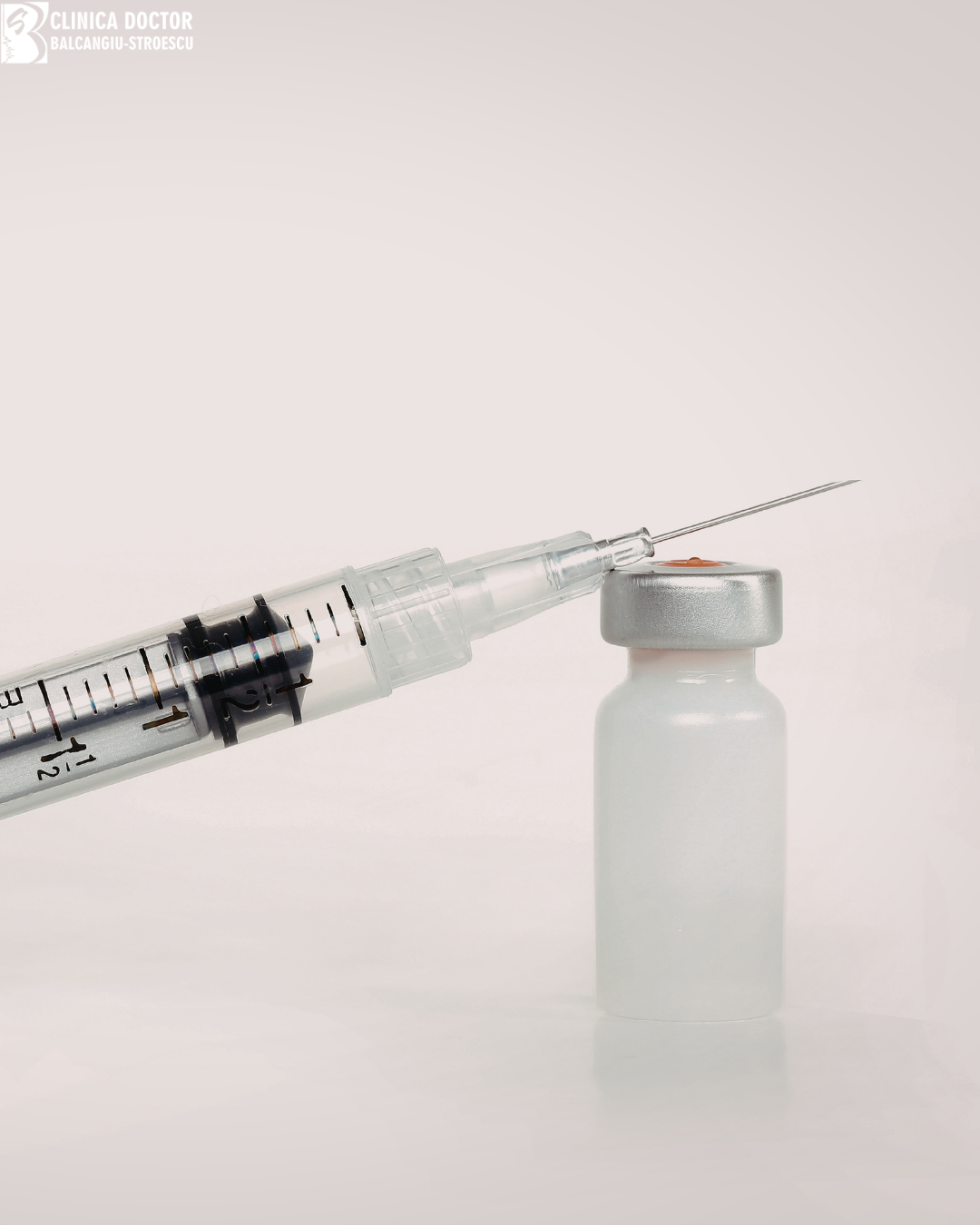
Intracavernous injections involve administering a medication directly into the cavernous bodies of the penis using a very fine needle.
The purpose is:
- inducing rapid erection
- increasing local blood flow
Erection occurs independently of sexual stimulation.
How do they work?
Medications used (e.g., alprostadil or vasodilatory combinations):
- relax smooth muscle
- dilate blood vessels
- increase penile blood flow
Result: firm and sustained erection
When are they indicated?
Intracavernous injections are recommended especially in the following situations:
1. Lack of response to oral treatment
- PDE5 inhibitors (e.g., sildenafil-Viagra) are not effective
- insufficient or inconsistent effect
2. Severe erectile dysfunction
- advanced vascular impairment
- diabetic neuropathy
3. After surgical interventions
- surgical removal of the prostate (prostatectomy)
- surgery in the pelvic area
4. Contraindications to oral treatment
- treatment with nitrates
- specific cardiovascular conditions
5. Diagnostic (functional testing)
- evaluation of erectile capacity
How effective are they?
Intracavernous injections have one of the highest success rates:
- efficacy of approximately 80–90%
- work even in cases where other treatments fail
How quickly do they act?
- effect appears in 5–15 minutes
- duration of erection: 30–60 minutes (depending on dose)
Advantages
very high efficacy
rapid action
do not depend on sexual stimulation
useful in severe cases
Disadvantages
- requires self-injection
- possible local discomfort
- variable psychological acceptability
Are they painful?
In general:
NO or minimally painful
- the needle is very fine
- correct technique reduces discomfort
Most patients adapt quickly.
Are there risks?
Like any medical procedure, there are risks, but they are rare if the treatment is performed correctly.
Possible adverse effects:
- mild local pain
- bruising
- prolonged erection (priapism) – rare
- local fibrosis (with incorrect use)
Risks are reduced through:
- correct dosing
- medical instruction
- monitoring
How to administer correctly?
The patient is instructed by the doctor:
- choosing the correct injection site
- using the fine needle
- respecting the dose
After instruction, the procedure is performed safely.
Are they suitable for long-term use?
✔️ Yes, in certain cases
❗ with periodic monitoring
Many patients use them as an effective long-term solution.
Who are they best suited for?
- patients with diabetes
- severe cases
- lack of response to other therapies
Conclusion
Intracavernous injections are one of the most effective treatment options for erectile dysfunction, especially in complex or treatment-resistant cases.
Although they require adaptation, they provide rapid and safe results in most situations.
When should you consider this option?
- oral treatment does not work
- erectile dysfunction is severe
- there is diabetes or neuropathy
A urological consultation can determine if this method is suitable for you.
If you are struggling with erectile dysfunction and conventional treatments have not produced results, intracavernous injections may be an effective solution.
Schedule a consultation for evaluation and personalized instruction.