
Clinica Doctor Balcangiu-Stroescu

The Impact of Uncontrolled Glycemia on Sexual Life

The Impact of Uncontrolled Glycemia on Sexual Life
Useful information
April 14, 2026Andra-Elena Balcangiu-Stroescu

Introduction

Glycemic control directly influences quality of life — including sexual life. Many patients do not make the connection between glycemic values and sexual function, yet this connection is essential.

What does uncontrolled blood glucose mean?

  • frequently elevated blood glucose levels
  • HbA1c above target
  • large fluctuations in blood glucose

Effects on sexual function

1. Erectile dysfunction

  • vascular impairment
  • neuropathy

2. Decreased sexual desire

  • reduced testosterone
  • fatigue

3. Impaired sexual performance

  • unstable erections
  • difficulties maintaining erections

4. Psychological impact

  • performance anxiety
  • sexual avoidance
  • decreased self-esteem

Vicious cycle

erectile dysfunction → stress → poorer glycemic control → worsening of erectile dysfunction

Can it be improved?

YES.

Through:

  • optimal glycemic control
  • healthy lifestyle
  • appropriate treatment

sexual function can be significantly improved.

Conclusion

Sexual life reflects metabolic status.
Well-controlled diabetes also means a better sexual life.

 

Also Read

Related Articles

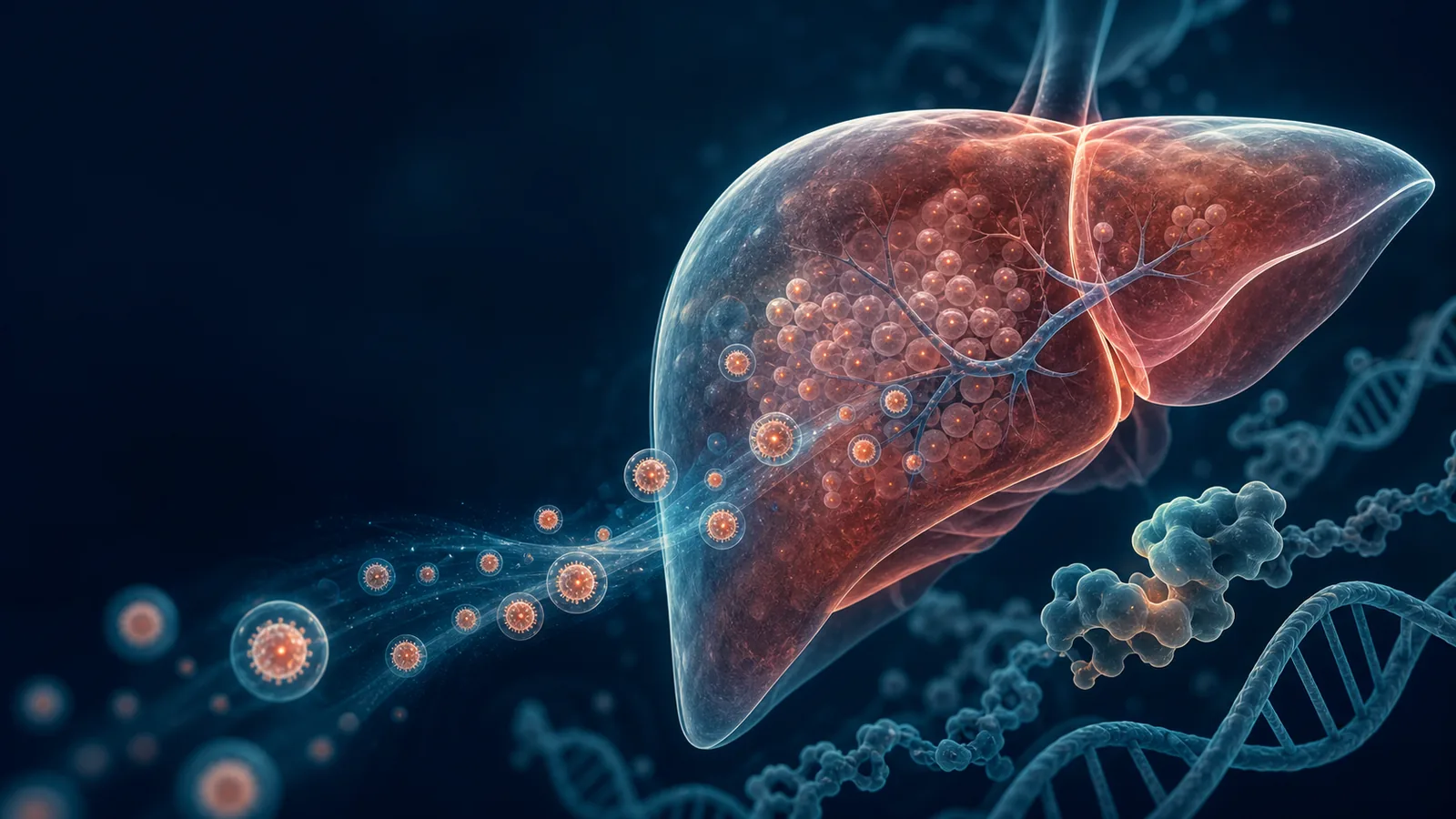
A single injection for cholesterol — from dreams to first human results
Useful information

A single injection for cholesterol — from dreams to first human results

A Phase 1 trial published in the New England Journal of Medicine (November 2025) brings remarkable results: a single infusion of CTX310, a CRISPR-Cas9 therapy developed by Cleveland Clinic and CRISPR Therapeutics, reduced LDL cholesterol by up to 49% and triglycerides by up to 55% in patients with refractory dyslipidemia — without serious adverse events. The mechanism is unique: instead of blocking a protein or interfering with its mRNA, CTX310 permanently edits the ANGPTL3 gene in hepatic cells, mimicking a natural mutation associated with reduced cardiovascular risk throughout life. The therapy is currently in Phase 1b clinical stage, with updates expected in the second half of 2026. It is not approved and does not replace current treatments. Read the full article for clinical context, comparison with statins and PCSK9 inhibitors, and what these data mean for patients. Medical Disclaimer This article presents results from a Phase 1 clinical trial in an early-stage research phase. The therapy described is not approved and is not available as standard treatment. The information is for educational purposes only. Consult your physician for any medical decision.

June 1, 2026Andra-Elena Balcangiu-Stroescu

Ready to schedule?

Book an appointment online or call us directly.

+40 747 777 107