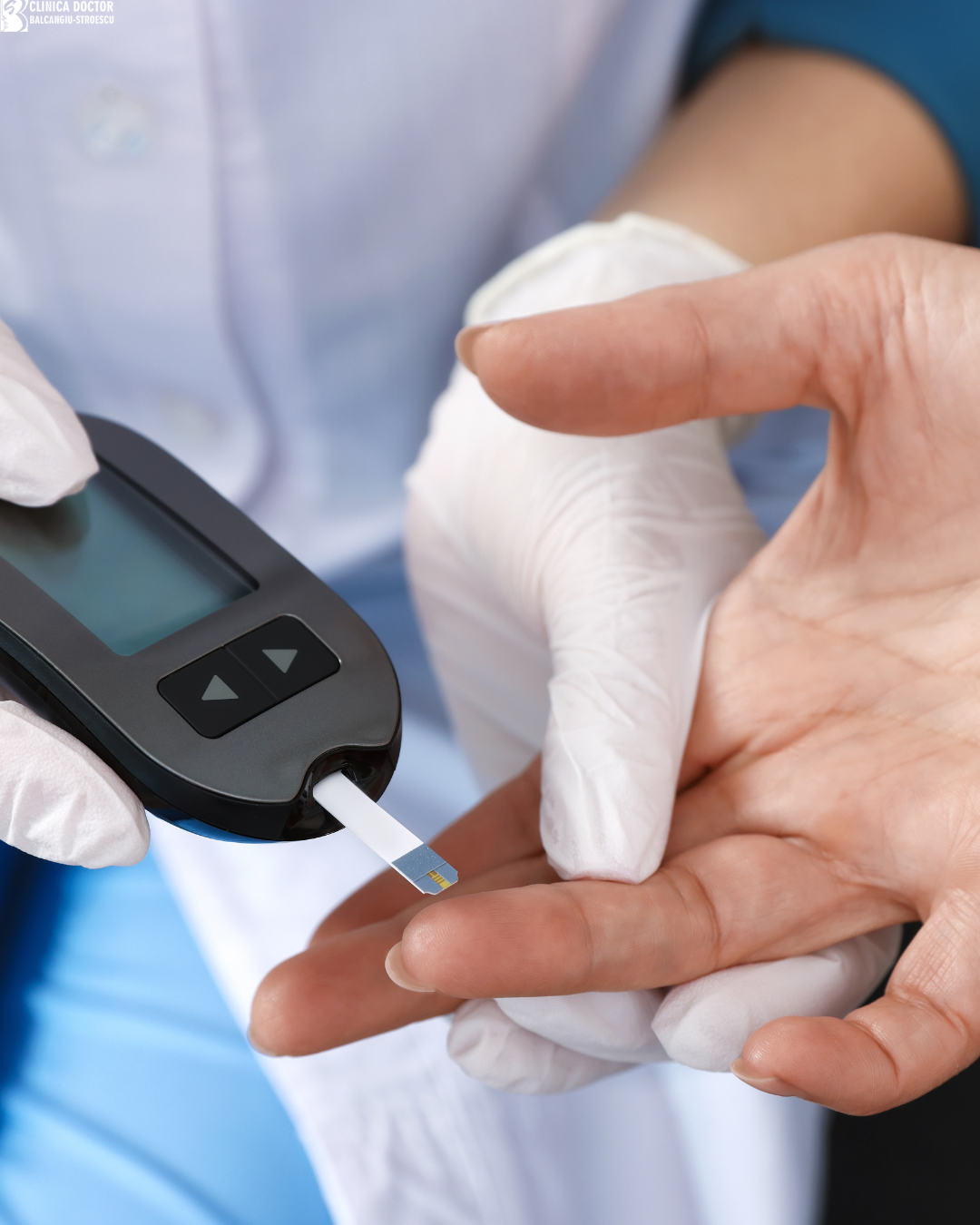

People with diabetes frequently face stress and fatigue from daily disease management, but when "lack of motivation" becomes more overwhelming, it may be depression — a condition that requires attention and treatment. Depression should not be underestimated or viewed as a mere passing state: it can affect motivation, eating habits, sleep, and very importantly, blood glucose control.
Why people with diabetes can develop depression
The relationship is bidirectional: diabetes imposes a constant burden (monitoring, injections, dietary restrictions, fear of complications) which can lead to emotional exhaustion and isolation. On the other hand, people with depression may have difficulty following their treatment, which can worsen diabetes.
- Practical signs to watch for:
- - Loss of interest in previously enjoyable activities (anhedonia).
- - Decreased energy levels, restless sleep or excessive sleep.
- - Significant changes in appetite or weight.
- - Persistent feelings of guilt, worthlessness or despair.
- - Difficulty concentrating and making decisions.
- - Neglect of diabetes treatment (forgetting to administer insulin, blood glucose tests, etc.).
If these symptoms persist for more than two weeks and affect daily functioning, it is important to seek help.
How depression affects blood glucose control
Depression can reduce medication adherence, increase emotional eating or conversely reduce food intake, and can alter sleep — all of which affect blood glucose. Stress hormones released during depressive states can increase blood glucose, and blood glucose fluctuations can worsen psychological symptoms, creating a vicious cycle.
What you can do immediately (practical steps)
- Make a simple daily checklist: check blood glucose + administer treatment + 10 minutes of movement.
- Communicate with someone you trust: partner, friend, family or an online support group.
- Schedule a brief evaluation with your family doctor or diabetologist to discuss your mental health (they can adjust monitoring or treatment).
- Reduce immediately controllable stress factors: simplify meal plans, set alarms for medication administration, use apps that track records.
- Avoid isolation: even a short walk or phone call can improve your mood in the short term.
Treatment and useful resources:
· Psychotherapy is effective for managing depression and can be adapted to the specific problems of diabetes.
· Follow the 7-day simple plan to reduce decision stress and establish basic habits.
- Antidepressants may be a treatment option, but medical advice is necessary to establish the indication and monitor treatment in the context of diabetes.
- Support groups (online or local) offer shared experiences, reduce loneliness and provide concrete strategies.
- In Romania, check resources from diabetes NGOs, mental health clinics that offer teletherapy or local lists of therapists experienced in chronic diseases.
When it's urgent to seek help
If there are thoughts of self-harm, inability to care for yourself (e.g., repeatedly forgetting to administer insulin, inability to eat), immediately contact a diabetologist, psychiatrist or psychologist with experience treating patients with chronic diseases. Ask your family or friends for support to reach an emergency service.
Answer honestly to the questions below. If you have >=3 "Yes" answers and symptoms persist for more than 2 weeks, schedule an evaluation with a doctor/psychologist.
Then follow the 7-day plan for practical steps.
- 1. In the past two weeks have you lost interest in activities you previously enjoyed? (Yes / No)
- 2. Have you experienced a significant decrease in energy most days? (Yes / No)
- 3. Have you noticed significant changes in sleep (insomnia or excessive sleep)? (Yes / No)
- 4. Has your appetite or weight changed in a short interval? (Yes / No)
- 5. Do you frequently feel guilty or worthless? (Yes / No)
- 6. Do you have difficulty concentrating or making decisions? (Yes / No)
- 7. Have you neglected taking your diabetes treatment (do you frequently forget injections, blood glucose testing)? (Yes / No)
- 8. Have you had episodes of binge eating or major caloric restriction? (Yes / No)
- 9. Have you thought that life is no longer worth living or had thoughts about harming yourself? (Yes / No)
- 10. Do symptoms persist for more than two weeks and affect your daily functioning? (Yes / No
Quick interpretation:
0–2 "Yes": mild/occasional symptoms — monitor them and apply the 7-day plan.
3–5 "Yes": moderate symptoms — schedule a discussion with your doctor/psychologist.
≥6 "Yes" or any "Yes" to question 9: seek professional help as soon as possible.
Simple 7-day plan. Concrete daily steps.
Follow the steps below for one week. Check off daily.
Day 1
- Check blood glucose 3 times (morning, lunch, evening)
- Administer medication/insulin as per plan
- Walk 10–20 minutes
- Brief call/message to someone you trust
Checked: [ ]
Day 2
- Journal moods & blood glucose (3 entries)
- Simple planned meals (3 meals)
- Set alarms for medications
Checked: [ ]
Day 3
- Light physical activity 20 minutes
- Check medication/supply stock
- Relaxation moment 15 minutes (breathing/meditation)
Checked: [ ]
Day 4
- Talk to a friend/partner about how you're feeling
- Check blood glucose as per plan
- Simplify one meal choice (choose a safe meal)
Checked: [ ]
Day 5
- Review journal; note 1 small improvement
- Physical activity 20 minutes
- Set two alarms for medication administration
Checked: [ ]
Day 6
- Schedule an appointment (if needed) or contact support group
- Hobby time 20–30 minutes
- Regular sleep (set bedtime)
Checked: [ ]
Day 7
- Review: what went well, what needs adjustment
- Easy walk and social connection
- Plan for next week: 3 realistic goals
Checked: [ ]