Many patients with diabetes notice that blood glucose values are higher in the morning, even though blood glucose is relatively well controlled during the day. This situation can be frustrating and frequently raises the question: why is blood glucose elevated in the morning?
Elevated blood glucose values in the morning, also known as morning hyperglycemia, can have multiple causes. Understanding these is important for adjusting treatment and maintaining optimal glycemic control.
What fasting blood glucose means
Blood glucose measured in the morning, before breakfast, is called fasting blood glucose or fasting blood glucose.
In general, values considered normal are:
- below 100 mg/dl in people without diabetes
- between 100–125 mg/dl may suggest prediabetes
- above 126 mg/dl on two determinations may indicate diabetes
In people with diabetes, target values are set individually by the physician, depending on treatment and patient characteristics.
Causes of high morning blood glucose
There are multiple mechanisms that can cause blood glucose to rise during the night or in the morning.
Dawn phenomenon
The dawn phenomenon is one of the most common causes of elevated morning blood glucose.
During the night, the body releases certain hormones, such as:
- growth hormone (GH)
- cortisol
- glucagon
These hormones can increase blood glucose because they stimulate the liver to release glucose into the bloodstream.
In people without diabetes, the pancreas produces sufficient insulin to compensate for this increase. In the case of diabetes, this mechanism does not work efficiently, and blood glucose can rise in the morning hours.
Somogyi effect
The Somogyi effect is another possible mechanism, although it is less commonly encountered.
This occurs when blood glucose drops too much during the night (nocturnal hypoglycemia). In response, the body releases hormones that raise blood glucose, resulting in elevated morning values.
Thus, a nocturnal hypoglycemia can be followed by morning hyperglycemia.
Evening diet
Dinner rich in carbohydrates or consumption of sweet snacks before bed can contribute to elevated morning blood glucose.
Foods rich in carbohydrates can maintain elevated blood glucose throughout the night, especially if treatment is insufficient to compensate for glucose intake.
Insufficient treatment
Sometimes, high morning blood glucose may indicate that diabetes treatment is insufficient or not optimally adjusted.
This can occur in the case of:
- insufficient insulin doses
- oral treatment that is no longer effective
- lifestyle modifications
In these situations, the physician may recommend adjusting therapy.
How the cause can be identified
To understand the cause of elevated morning blood glucose, the physician may recommend monitoring blood glucose during the night.
For example, measuring blood glucose:
- before bedtime
- during the night (around 2–3 a.m.)
- in the morning
These values can help differentiate the dawn phenomenon from the Somogyi effect or other causes.
What can patients do if they have high morning blood glucose
There are several measures that can help improve morning glycemic control.
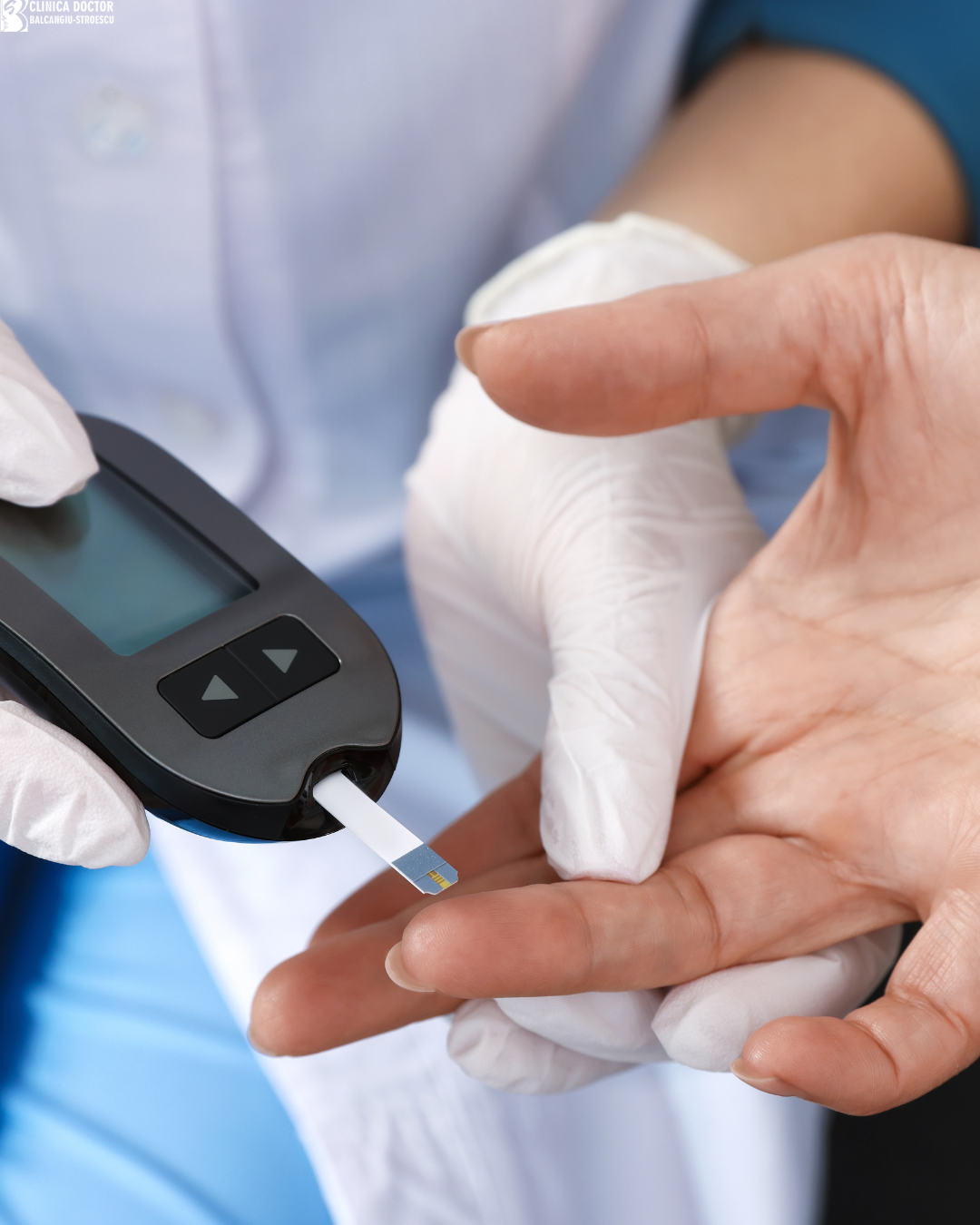
Regular blood glucose monitoring
Blood glucose monitoring allows identification of the pattern of values and helps the physician adapt treatment.
Dietary adjustments
Reducing carbohydrates at dinner and avoiding sweet snacks before bed can help lower morning blood glucose.
Physical activity
Regular physical activity can improve insulin sensitivity and can help control blood glucose.
Treatment adjustment
In some cases, the physician may recommend modifying treatment or insulin doses to prevent blood glucose rise during the night.
It is important that any modification to treatment is made only on the physician's recommendation.
When medical consultation is recommended
If morning blood glucose values are consistently elevated, medical consultation is recommended.
The physician can evaluate:
- dietary regimen
- current treatment
- blood glucose monitoring
and can adjust the therapeutic plan to achieve better metabolic control.
Conclusion
High morning blood glucose is a frequently encountered situation in people with diabetes and can have multiple causes, such as the dawn phenomenon, evening diet, or insufficient treatment adjustment.
Careful monitoring of blood glucose and collaboration with the physician are essential for identifying the cause and establishing an effective strategy for diabetes control.
Adequate glycemic control contributes to preventing complications and maintaining good health.