
Many patients face the same frustration: they follow a diet, but results are delayed or don't appear at all.
In reality, the lack of weight loss does not mean that "the diet doesn't work", but that there are factors preventing the weight loss process.
In this article, we explain the most common causes and what you can actually do about it.
1. You underestimate your caloric intake
One of the most common causes is consuming more calories than you think.
👉 Examples:
- small but frequent snacks
- caloric beverages (juices, sugary coffee)
- larger portions than you estimate
✔ Solution:
Keep a food diary for a few days to see the reality, or use a calorie-counting app to observe any imbalances in your macronutrient intake.
2. Your metabolism has adapted
After repeated diets or severe restrictions:
- metabolism slows down
- your body "conserves energy" by sacrificing muscle mass
👉 This is a protective mechanism that, paradoxically, leads to weight regain after drastic diets.
✔ Solution:
Balanced meal plan + muscle mass increase
3. Lack of physical activity
Diet alone is not always sufficient.
👉 Sedentary lifestyle leads to:
- reduced energy expenditure
- loss of muscle mass
✔ Solution:
Regular physical activity (walking, strength training).
4. Your diet is too restrictive
Paradoxically, a very strict diet can block the weight loss process.
👉 Why?
- it leads to episodes of "breaking" (binge eating or "cheat days")
- slows down metabolism
- affects hormonal balance
✔ Solution:
Sustainable diet, not extreme.
5. Hormonal problems
Certain conditions can influence weight:
- hypothyroidism
- insulin resistance
- polycystic ovarian syndrome
✔ Solution:
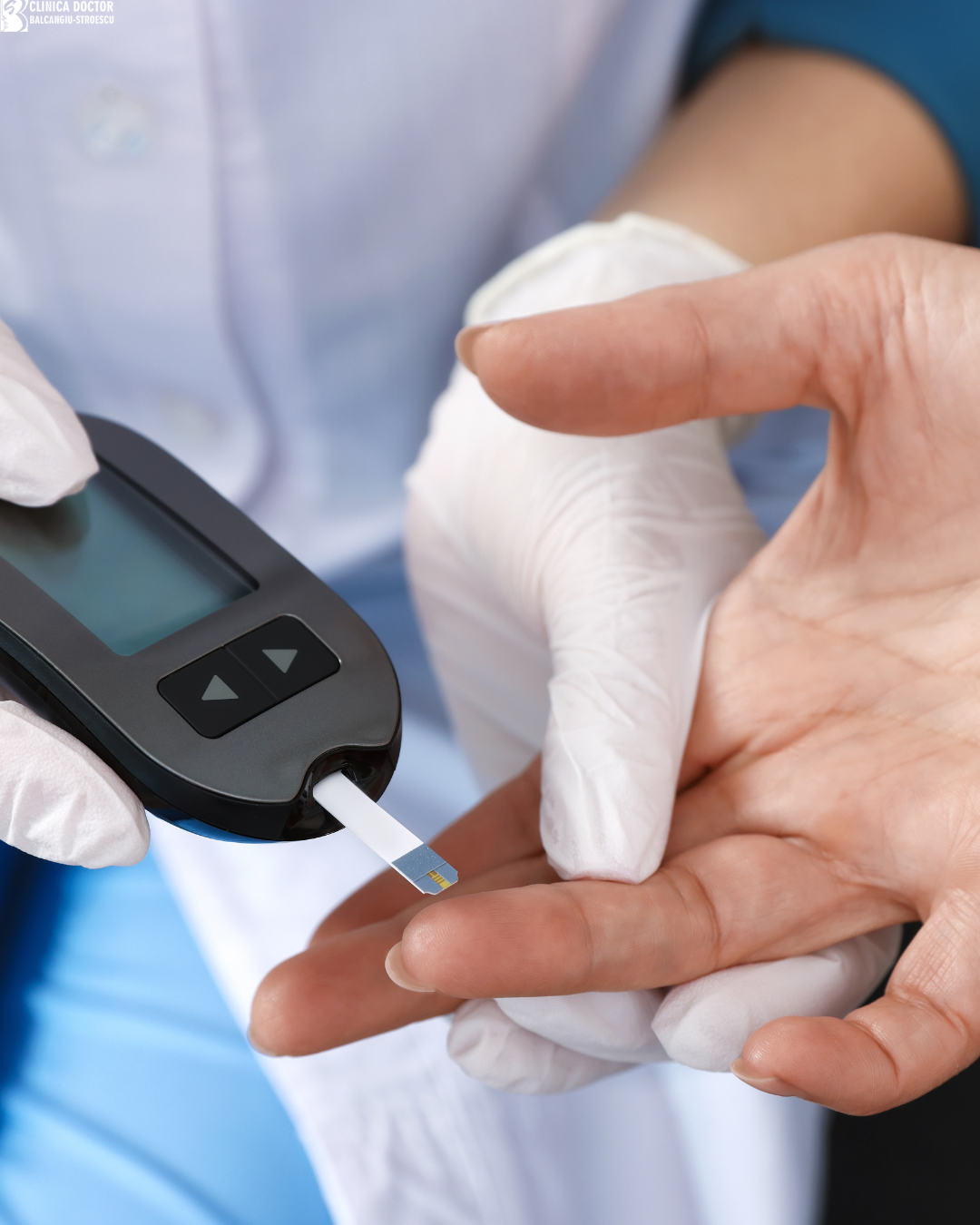
Medical evaluation + laboratory tests.
6. Lack of sleep
Sleep directly affects metabolism:
- increases food cravings, especially for high-calorie and palatable foods (chocolate, fast food, sweets, chips)
- affects hunger hormones
✔ Solution:
7–8 hours of sleep per night; preferably bedtime before 00:00
7. Chronic stress
Stress increases cortisol levels, which can lead to:
- fat accumulation, especially abdominal
- increased cravings for sweets
✔ Solution:
Stress management (physical activity, routine, relaxation, meditation, mindfulness).
8. Medications that affect weight
Some treatments can lead to weight gain:
- antidepressants
- corticosteroids
- some hormonal treatments
✔ Solution:
Other therapeutic options should be discussed with your doctor where possible, or consult an endocrinologist for weight gain management.
9. Unrealistic expectations
Many patients give up because:
- they don't see rapid results
- they compare themselves with other people
👉 The healthy rate is: 0.5–1 kg / week
10. There is no personalized plan
An "internet diet" doesn't work for everyone.
👉 Each patient has:
- different metabolism
- different lifestyle
- different medical problems
✔ Solution: Individualized plan based on each person's characteristics, goals, and needs.
What you can do concretely
- monitor your diet
- increase your level of physical activity
- sleep enough
- avoid extreme diets
- run tests if you're not losing weight
- consult an endocrinologist
❓ Frequently asked questions (FAQ)
Is it normal to have a weight loss plateau?
Yes, plateaus are common and temporary.
How long does it take to see results?
It depends, but changes occur progressively.
Do you have to eat very little to lose weight?
No, extreme restrictions can have the opposite effect.
When to see a doctor
Schedule an appointment if:
- you're not losing weight despite your efforts
- you have large weight fluctuations
- you have metabolic symptoms
📞 Schedule an evaluation
If you want to understand why you're not losing weight and have a personalized plan:
👉 Schedule an appointment for an endocrinological and metabolic consultation.