
What is prediabetes
Prediabetes occurs when the body begins to develop insulin resistance or when the pancreas no longer produces enough insulin to maintain blood glucose within normal limits.
Values that may suggest prediabetes include:
- fasting blood glucose between 100 and 125 mg/dl
- glycated hemoglobin (HbA1c) between 5.7% and 6.4%
- altered blood glucose values on the glucose tolerance test
People with prediabetes have an increased risk of developing type 2 diabetes mellitus in the coming years if preventive measures are not adopted.
Risk factors for prediabetes
There are several factors that can increase the probability of prediabetes developing.
These include:
- overweight or obesity
- sedentary lifestyle
- family history of diabetes
- age over 45 years
- arterial hypertension
- elevated cholesterol or triglyceride levels
- gestational diabetes in medical history
People who present these risk factors should monitor their blood glucose periodically.
Why is prediabetes treatment important
Prediabetes is not just an intermediate stage before diabetes. Even at this stage, certain metabolic changes can occur that increase the risk of cardiovascular disease.
Early intervention is very important because it can prevent or delay the onset of type 2 diabetes mellitus. Studies show that lifestyle changes can significantly reduce the risk of progression to diabetes.
Prediabetes treatment
Prediabetes treatment is based primarily on lifestyle modification. In some situations, the doctor may also recommend medication.
Weight loss
In overweight or obese people, weight loss is one of the most effective measures to prevent diabetes.
Even a modest weight loss of approximately 5–10% of body weight, can have a significant impact on blood glucose control.
Balanced diet
Adopting a healthy eating regimen is essential.
It is recommended to:
- increase consumption of vegetables and fiber
- choose whole grain cereals
- reduce sugar and ultra-processed products
- limit sweetened beverages
A balanced diet can improve insulin sensitivity and can help maintain blood glucose within normal limits.
Physical activity
Regular physical exercise contributes to improved glucose utilization by the body.
It is recommended at least 150 minutes of moderate physical activity per week, such as brisk walking, swimming, or cycling.
Physical activity also helps with weight control and improved cardiovascular health.
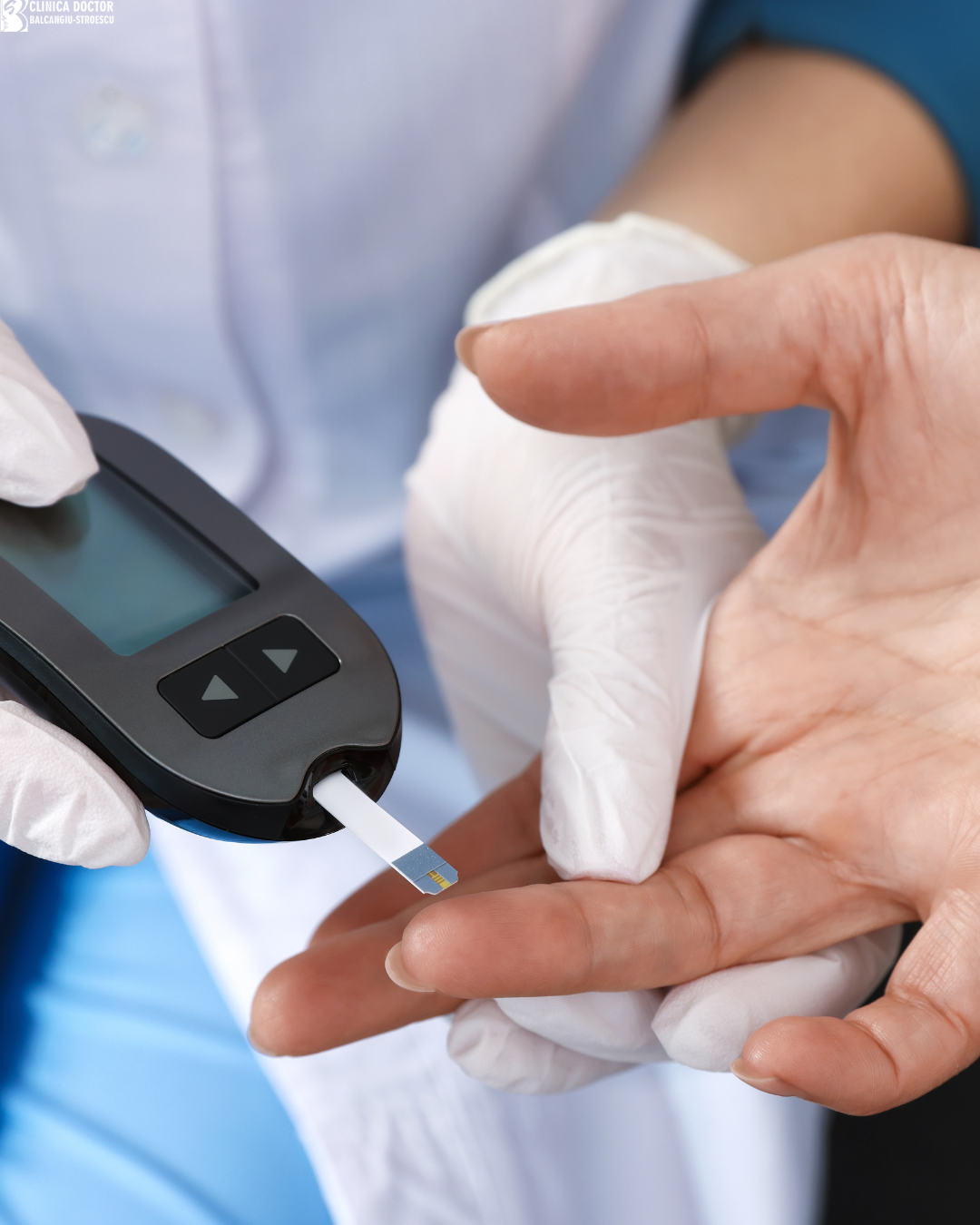
Blood glucose monitoring
People with prediabetes should perform periodic tests to monitor blood glucose.
The doctor may recommend:
- fasting blood glucose
- glycated hemoglobin (HbA1c)
- other metabolic investigations
Regular monitoring allows evaluation of progress and adaptation of medical recommendations.
Medication treatment
In certain situations, the doctor may recommend medication to reduce the risk of progression to diabetes.
This is considered especially in people who:
- have a very high risk of diabetes
- have obesity
- have a history of gestational diabetes
- cannot control blood glucose through lifestyle modifications alone
Treatment is determined individually by the doctor.
When medical consultation is recommended
Medical consultation is important for establishing the diagnosis and assessing the risk of diabetes.
The doctor can recommend additional tests and can provide personalized recommendations regarding:
- diet
- physical activity
- blood glucose monitoring
Conclusion
Prediabetes represents a warning sign that the body is beginning to have difficulty regulating blood glucose. However, it is a stage in which early intervention can prevent or delay the onset of type 2 diabetes mellitus.
Adopting a healthy lifestyle, which includes balanced diet, regular physical activity, and maintaining an appropriate body weight, plays an essential role in controlling prediabetes.
For risk assessment and personalized recommendations, specialist medical consultation is advised.