
Useful information
The Scale Is Going Down. But What Are You Actually Losing?
Weight loss does not automatically mean losing only fat. Depending on diet, physical activity, and the pace of the process, the body may also lose water or muscle mass. In this article, you will learn why body composition matters, how muscle can be protected, and which methods we can use to monitor progress beyond the number on the scale.
Patient Guide
Losing five kilograms may seem like a clear result. However, the scale does not tell us where that weight came from: fat tissue, water, or lean mass. Two people can lose the same amount of weight but achieve very different metabolic and functional outcomes.
The goal of a weight-loss intervention is not merely to reduce a number, but to improve body composition: predominantly losing fat tissue while preserving muscle mass and strength as much as possible. The good news is that strategies are available to help protect muscle, as well as methods that can assess progress more meaningfully.
Key points
- The scale measures total body weight and cannot distinguish between fat, muscle mass, and body water.
- Lean mass may also be lost during weight loss; strength training and adequate protein intake help limit this loss.
- Body composition analysis is more useful for tracking trends over time than as a single measurement and should be performed under conditions that are as similar as possible.
In this article
01
Not All Weight Loss Is the Same
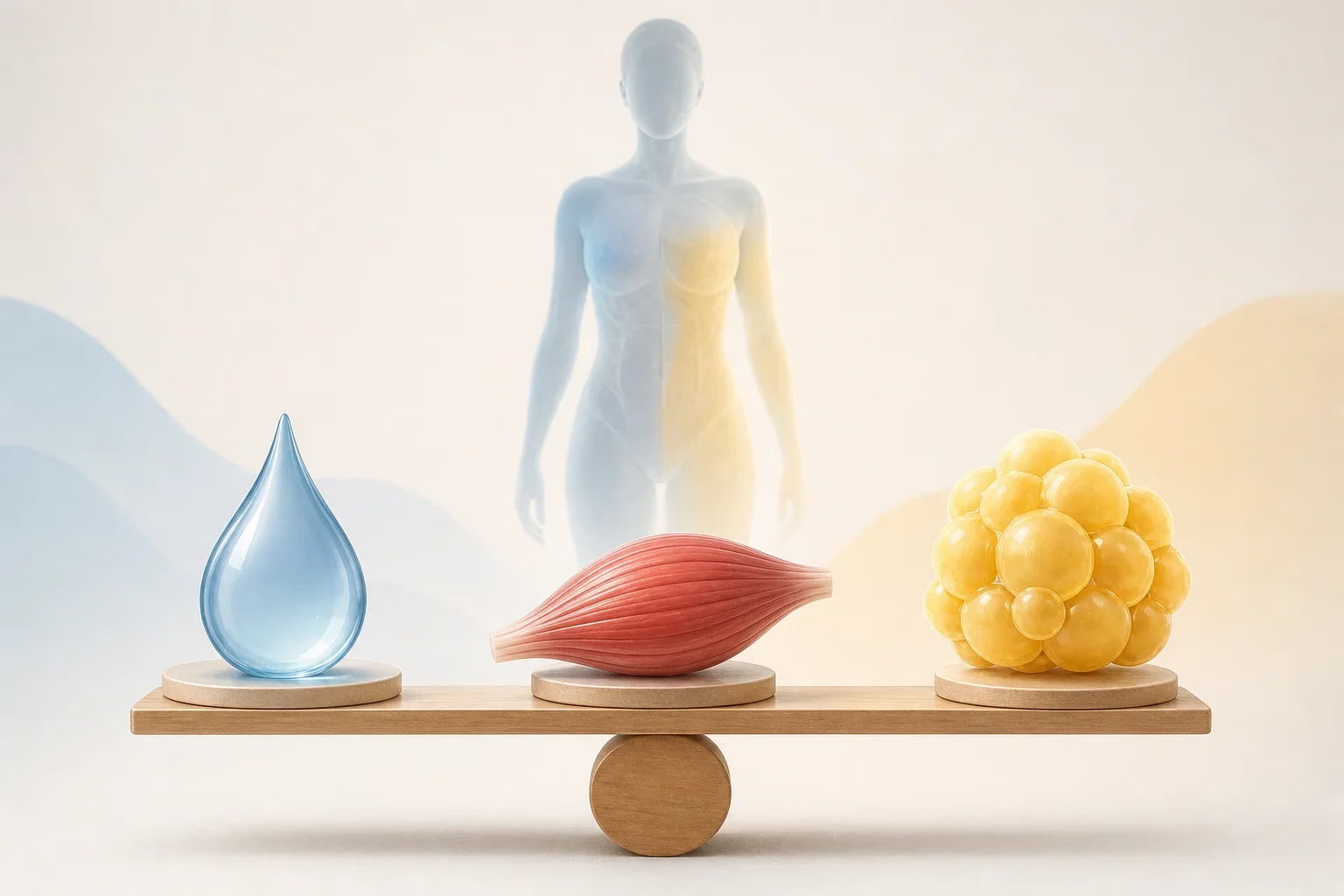
Body weight reflects not only fat tissue, but also muscle mass, organs, bones, water, and digestive contents. This is why rapid day-to-day changes are rarely caused by actual changes in body fat.
At the beginning of a diet, some of the weight loss may come from a reduction in glycogen stores and the water associated with them. Salt and carbohydrate intake, hydration, the menstrual cycle, and bowel movements can temporarily affect the number on the scale without a significant change in fat mass.
Over the long term, an energy deficit reduces fat tissue, but it may also lead to a loss of lean mass, which includes muscle, water, organs, bones, and other non-fat tissues. This can occur both with lifestyle interventions and during treatment with incretin agonists, although resistance training can help preserve muscle mass more effectively.
02
How Can We Protect Muscle Mass During Weight Loss?
Muscle contributes to mobility, balance, strength, and glucose use. Excessive muscle loss can reduce functional capacity and make it more difficult to maintain an active lifestyle. For this reason, the success of weight loss should not be assessed solely by the number of kilograms lost.
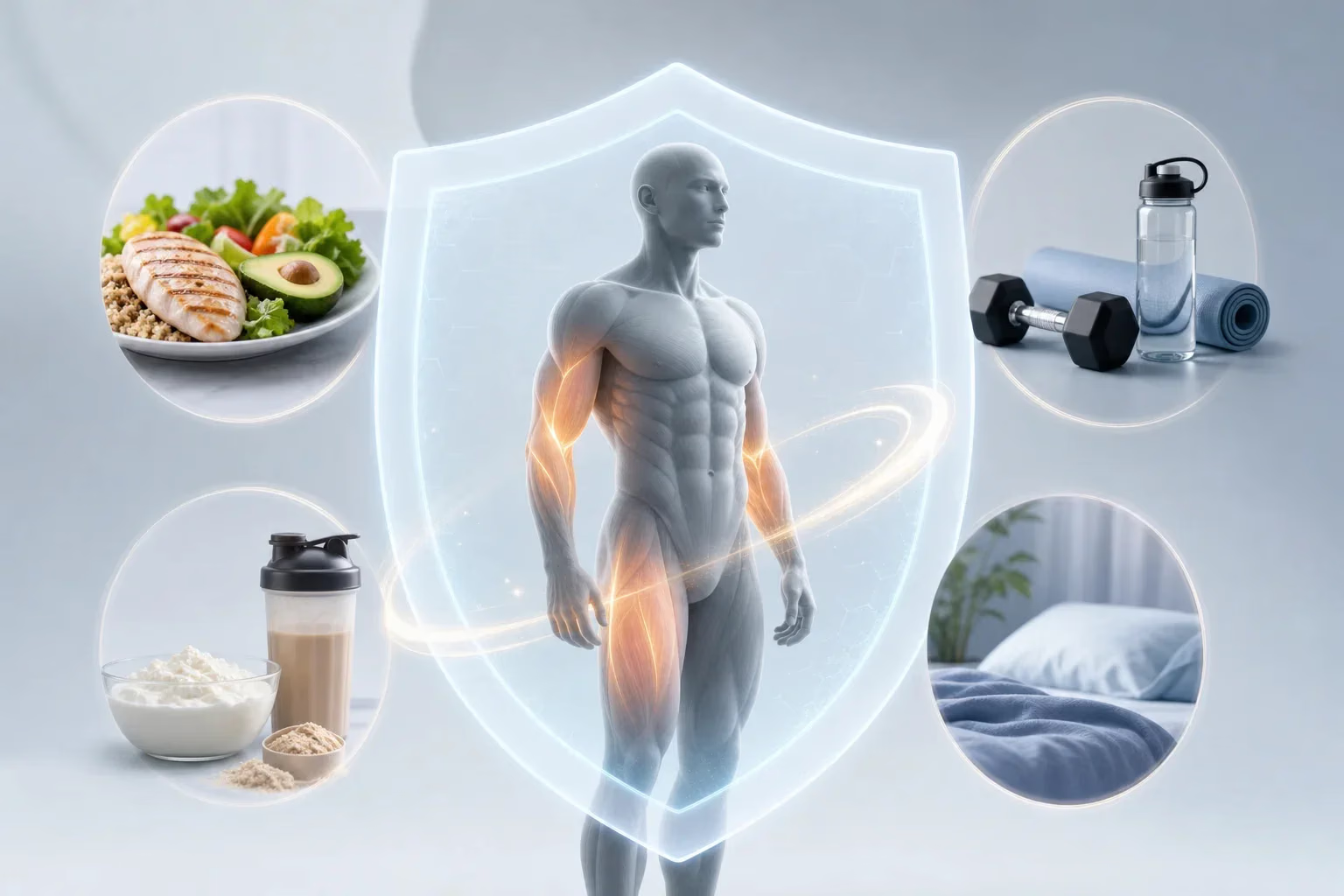
Strength training is essential for protecting muscle. Exercises using weights, machines, resistance bands, or body weight help maintain muscle tissue. When combined with a dietary intervention, they may promote fat loss, preserve lean mass, and increase strength, even if total weight loss does not differ significantly from diet alone. The World Health Organization recommends exercises targeting the major muscle groups on at least two days per week.
Adequate protein intake and a sustainable energy deficit are equally important. Protein requirements should be tailored according to age, weight, activity level, and associated medical conditions, but protein intake cannot replace the stimulus provided by exercise. Highly restrictive diets, insufficient food intake, and a lack of physical activity may promote lean mass loss, including during obesity treatment; in chronic kidney disease, protein intake should be determined together with a doctor.
03
How Do We Assess Progress Beyond the Scale?
Weight remains a useful indicator, but it should be interpreted as a trend rather than a daily verdict. Waist circumference, how clothes fit, changes in strength, and the ability to carry out usual activities provide a more complete picture. If weight decreases but the person becomes more tired and progressively loses strength, the plan should be reassessed.
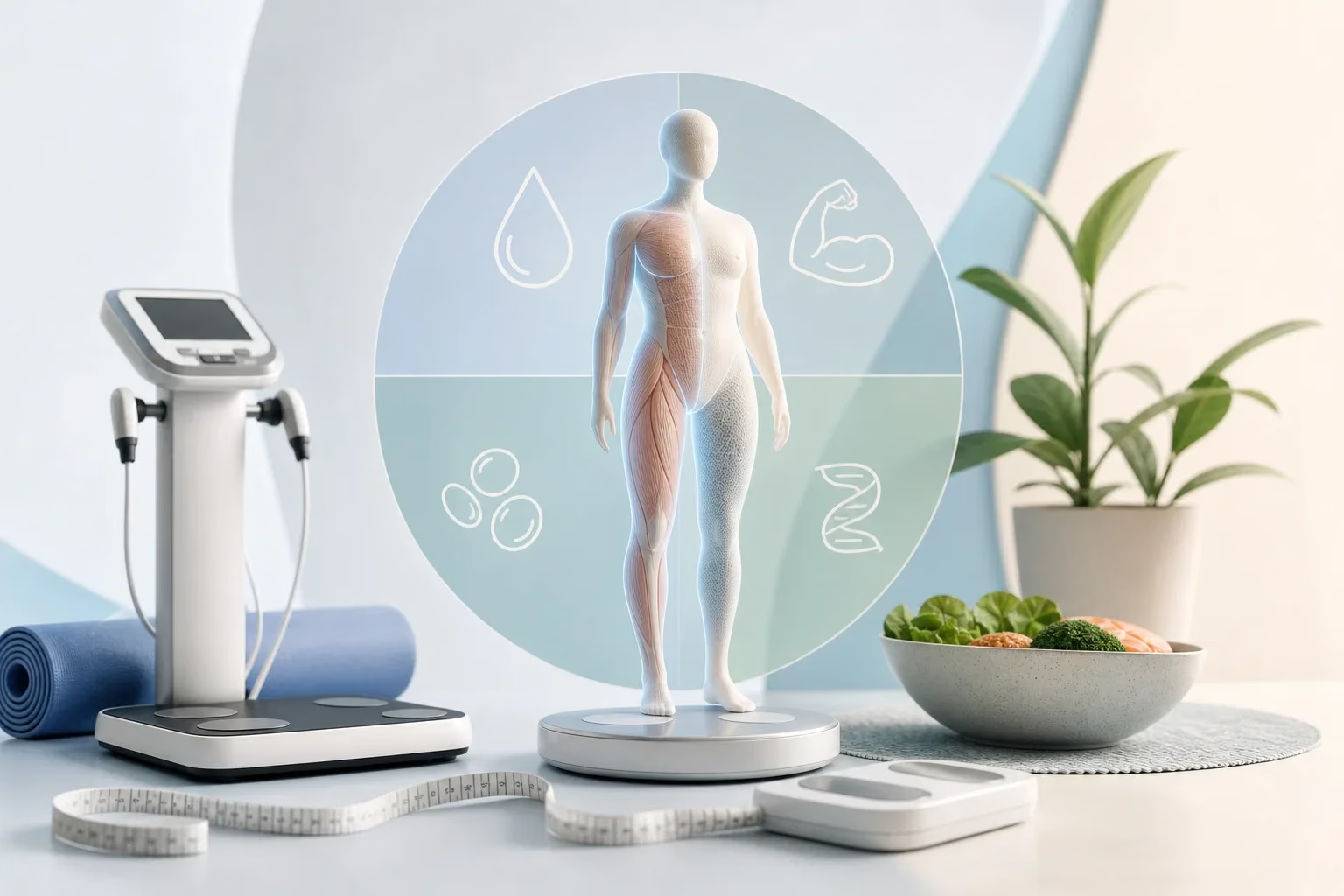
Bioelectrical impedance analysis, including InBody, estimates fat mass, lean mass, muscle mass, and body water distribution. It is a quick and non-invasive method, but it does not directly measure tissues, and the results may be influenced by hydration, recent meals, physical exercise, and fluid distribution. For this reason, tracking changes over time is more useful than interpreting a single measurement in isolation.
For comparable results, measurements should be repeated on the same device and under similar conditions: at approximately the same time of day, with a similar hydration level, and without intense exercise before the assessment. At the clinic, InBody analysis can be interpreted together with medical history, waist circumference, laboratory test results, diet, and physical activity, providing an additional reference point for personalising the plan and monitoring progress.
Final takeaway
Conclusion
High-quality weight loss means reducing fat tissue while preserving muscle and improving metabolic health. Progress is measured not only in kilograms, but also through waist circumference, strength, overall well-being, and body composition. The goal is a healthier, stronger body, not merely a lower number on the scale.
Medical information notice
This material is for informational purposes and does not replace a medical consultation, diagnosis, or personalised recommendation from a doctor.
Frequently asked questions
Can an ordinary scale tell me whether I am losing fat or muscle mass?
No. A scale only shows total body weight. Changes in waist circumference, strength, and food intake, as well as body composition analysis when indicated, are useful for a more meaningful assessment.
How often should an InBody analysis be repeated?
The frequency depends on the goal and the pace of the intervention. In general, assessments performed too close together may reflect fluctuations in hydration rather than actual changes in body tissues. A doctor can determine the appropriate interval, and measurements should be taken under conditions that are as similar as possible.
Can muscle mass loss be avoided during weight loss?
Some reduction in lean mass may occur, especially with substantial weight loss, but its extent can be limited. Strength training, adequate protein intake, and a well-designed eating plan help protect muscle.
Medical sources
- 1
- 2
- 3Preserving Healthy Muscle during Weight Loss
Adv Nutr . 2017
- 4
- 5
- 6
Continue reading
Related medical articles

Hyaluronic Acid or Botox? How to Choose the Right Treatment for Wrinkles and Facial Rejuvenation
“Hyaluronic acid or Botox?” is the first question many patients ask when they visit the clinic. Today, we discuss: • The difference between botulinum toxin and hyaluronic acid dermal fillers. • Which treatment is suitable for expression lines, loss of facial volume, and lip contouring. • How long the results last, what the risks are, and why a medical consultation is essential.
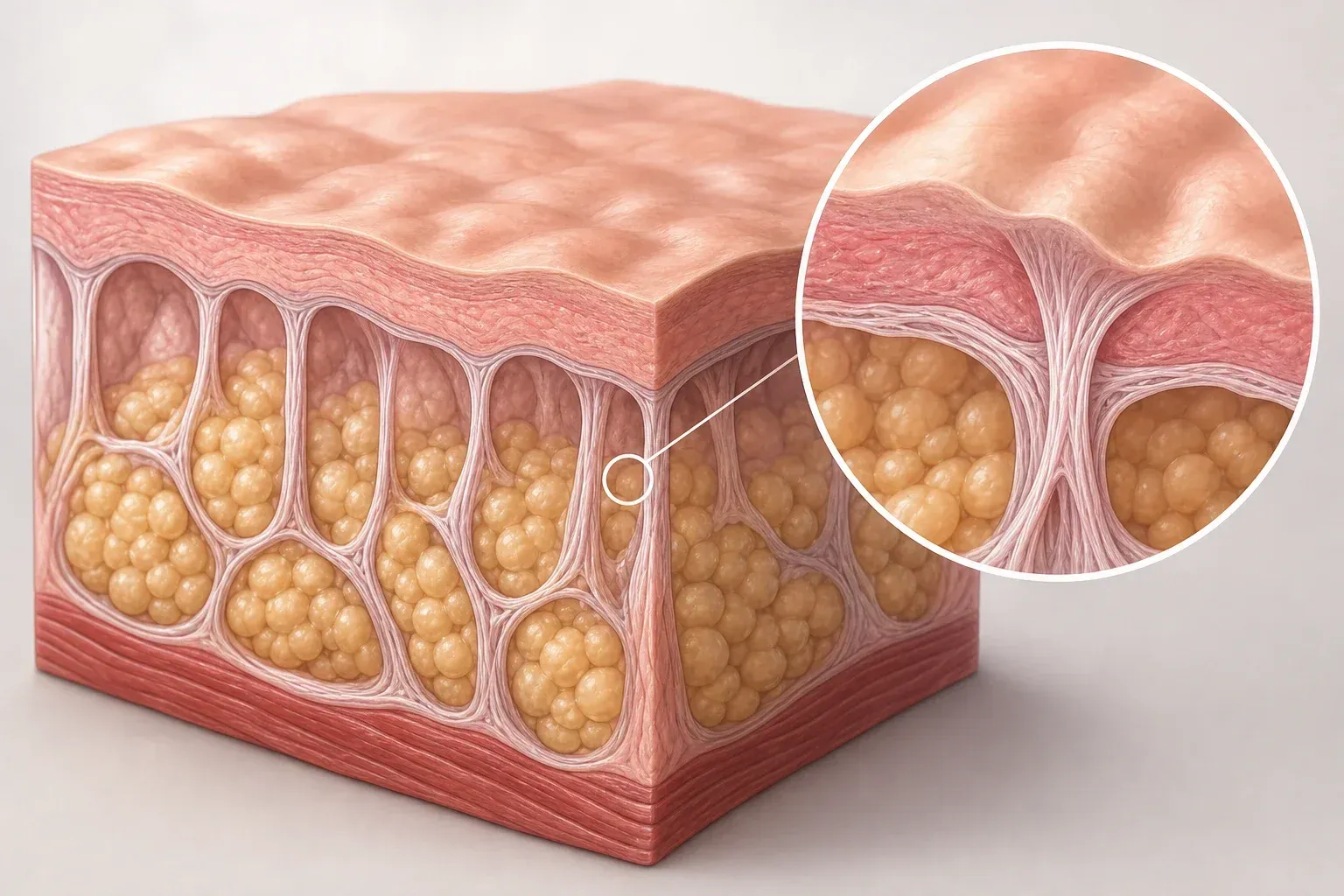
Cellulite: Why Does It Occur and Which Treatments Can Improve the Appearance of the Skin?
Today, we will discuss: • Why cellulite occurs and why it may be present even in people who are slim or physically active. • Which treatment options are available, from radiofrequency and acoustic wave therapy to procedures that release the fibrous septa. • What results can realistically be achieved and how to choose the right treatment for you.

Protein After 40: How Much Is Enough?
After the age of 40, the body does not suddenly lose its ability to preserve muscle mass, but it becomes increasingly important to provide it with two essential elements: the stimulus provided by strength training and the protein needed for recovery and adaptation. In this article, you will learn how much protein we need, how we can distribute it throughout the day, and why maintaining muscle strength is essential for metabolism, mobility, and long-term independence.