
Useful information
What Are the Essential Skincare Products for Autumn and Winter?
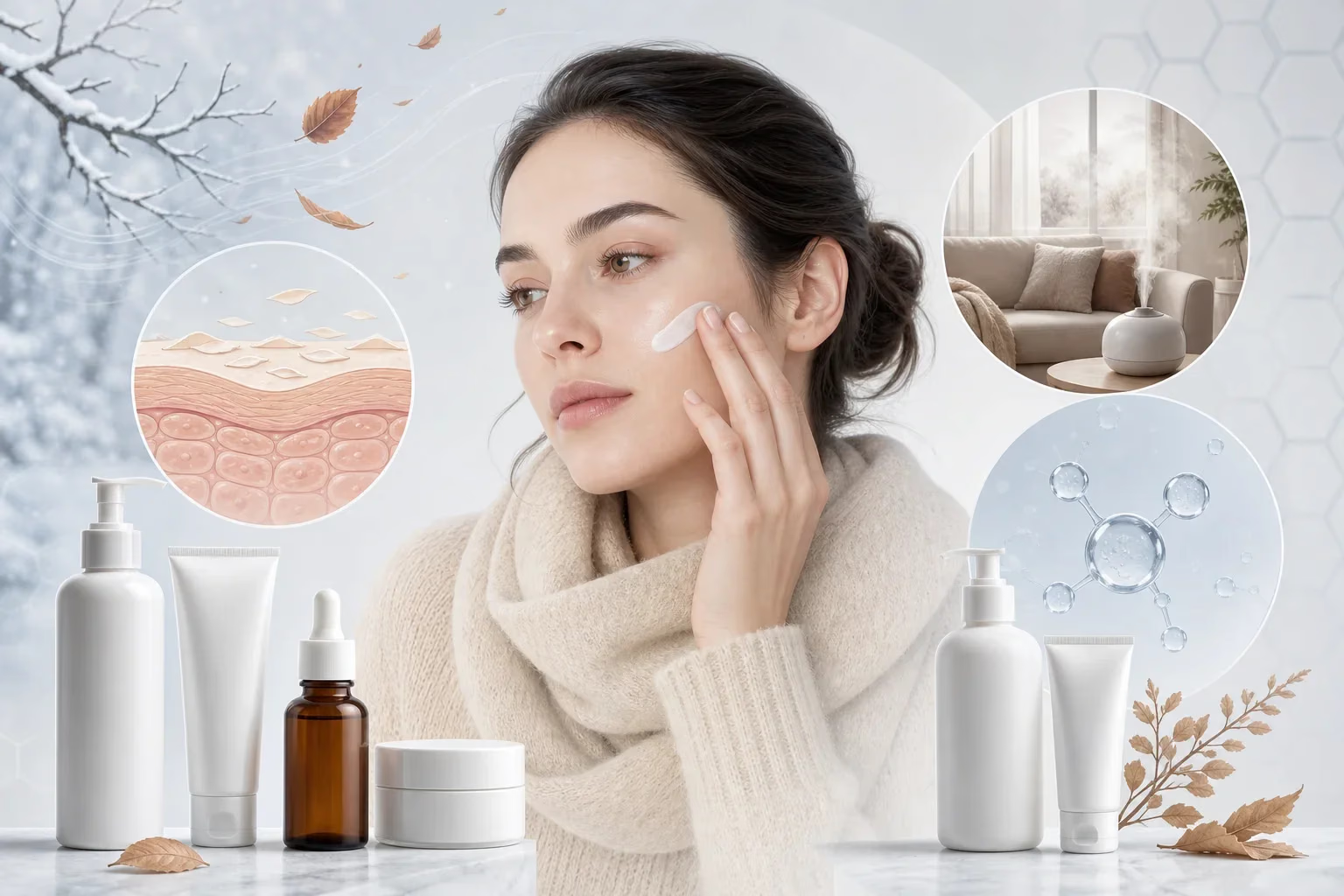
Low temperatures, wind, and dry indoor air can affect the skin barrier, contributing to dehydration, tight-feeling skin, flaking, and the worsening of dermatological conditions such as atopic dermatitis or rosacea. In this article, you will learn which products are worth including in your cold-season skincare routine, how to choose the right moisturiser, and why sun protection remains important even when temperatures fall.
Patient Guide
With the arrival of autumn and winter, the skin is exposed to conditions that differ from those experienced during the warmer months. Low temperatures, wind, low humidity, and indoor heating can contribute to damage to the skin barrier and increased transepidermal water loss (TEWL).
These changes can cause dryness, sensitivity, erythema, and increased discomfort, including in people who do not usually have dermatological problems.
The solution does not involve completely changing your skincare routine, but rather adapting it to your skin’s needs. During the colder months, three product categories become particularly important: gentle cleansers, moisturisers that support the skin barrier, and photoprotective products.
Key points
- Hydration is essential: choose creams containing ingredients such as ceramides, glycerin, or hyaluronic acid that are suitable for your skin type.
- Cleansing should be gentle: harsh products and very hot water can worsen dryness and sensitivity.
- SPF does not take a winter break: UVA radiation is present throughout the year, and photoprotection remains important.
In this article
01
A Gentle Cleanser That Respects the Skin Barrier
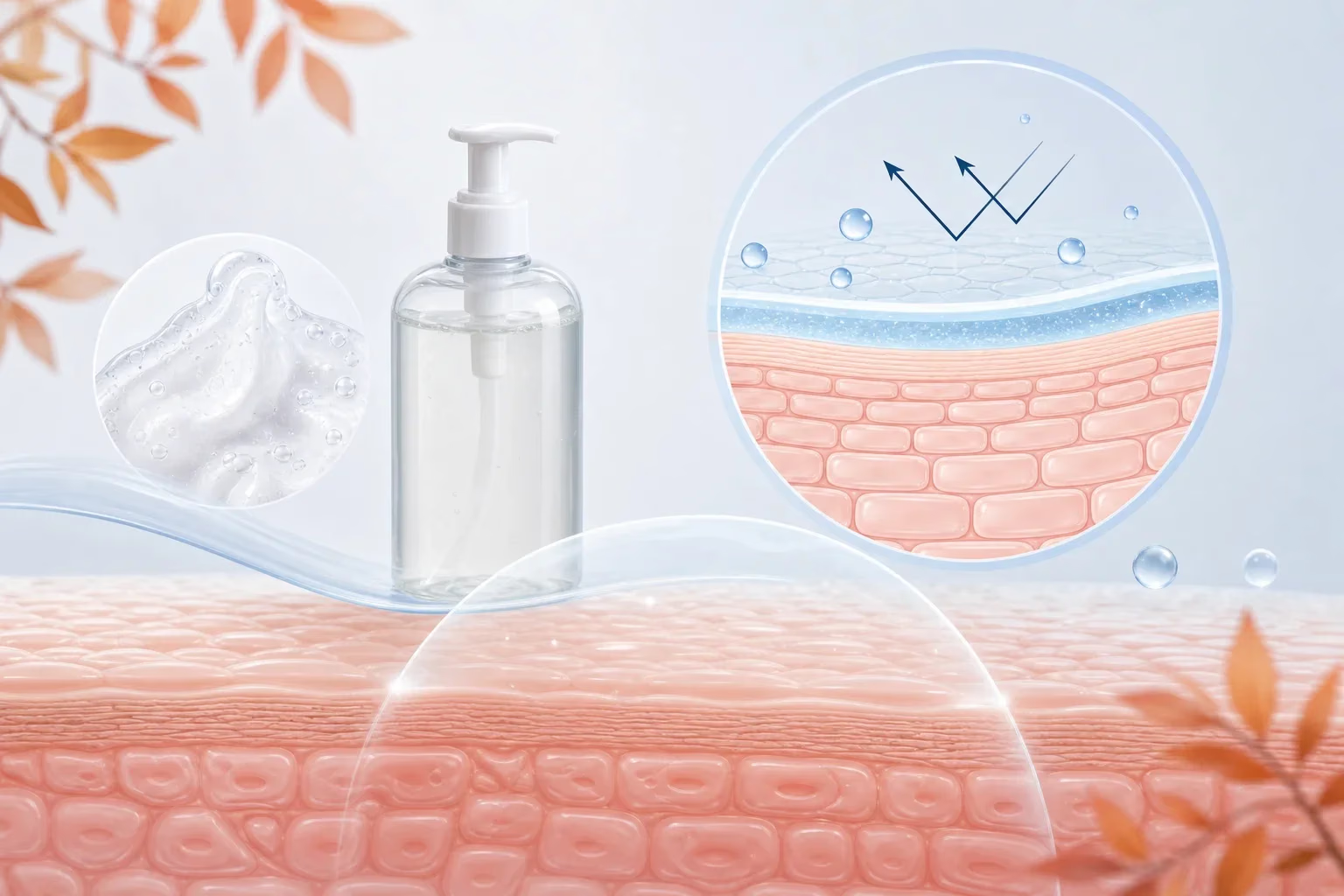
The first step in an effective routine is cleansing the skin. During the colder months, however, it is important to avoid products that excessively strip lipids from the stratum corneum.
Harsh cleansing gels, alkaline soaps, and fragranced products can worsen dryness and contribute to irritation, particularly in sensitive or atopy-prone skin.
What should you choose?
• A gentle, fragrance-free cleanser with a formula suited to your skin type.
• Cream or lotion cleansers for dry and sensitive skin.
• Formulas that do not leave the skin feeling tight after use.
You should also avoid very hot water and prolonged showers. Lukewarm water and gentle cleansing help maintain the integrity of the skin barrier.
If you have dry skin, you do not necessarily need to use a cleanser in the morning. Depending on your skin’s tolerance, you may choose to rinse only with water and reserve cleansing with a dedicated product for the evening.
02
Moisturiser: The Skin’s Most Important Ally in Winter
During the colder months, moisturiser becomes one of the most important products in your skincare routine. Lower ambient humidity and exposure to low temperatures can increase transepidermal water loss (TEWL), contributing to dryness and damage to the skin barrier.
However, not all moisturisers work in the same way. To choose an effective product, it is helpful to understand the main categories of ingredients:
• Humectants: glycerin, hyaluronic acid, and urea attract and retain water in the stratum corneum.
• Emollients: ceramides, cholesterol, and fatty acids help restore and maintain the organisation of epidermal lipids.
• Occlusives: petrolatum, dimethicone, and mineral oil reduce water loss through evaporation by forming a protective layer on the skin’s surface.
In general, if you have dry skin, you can replace your lightweight summer lotion with a richer cream or even an ointment for very dry areas.
Having combination or oily skin does not mean you should stop moisturising. You can choose lighter textures, such as lotions or creams with a higher water content, in non-comedogenic formulations.
A simple tip: apply moisturiser immediately after washing, while the skin is still slightly damp. This helps retain water in the stratum corneum.
Do not forget your lips and hands. A simple petrolatum-based lip balm and a hand cream containing emollient ingredients can help prevent dryness, cracking, and discomfort associated with exposure to the cold.
03
Sun Protection... Is It Necessary During the Colder Months Too?
One of the most common skincare myths is that sun protection is no longer necessary when temperatures fall or the sky is cloudy.
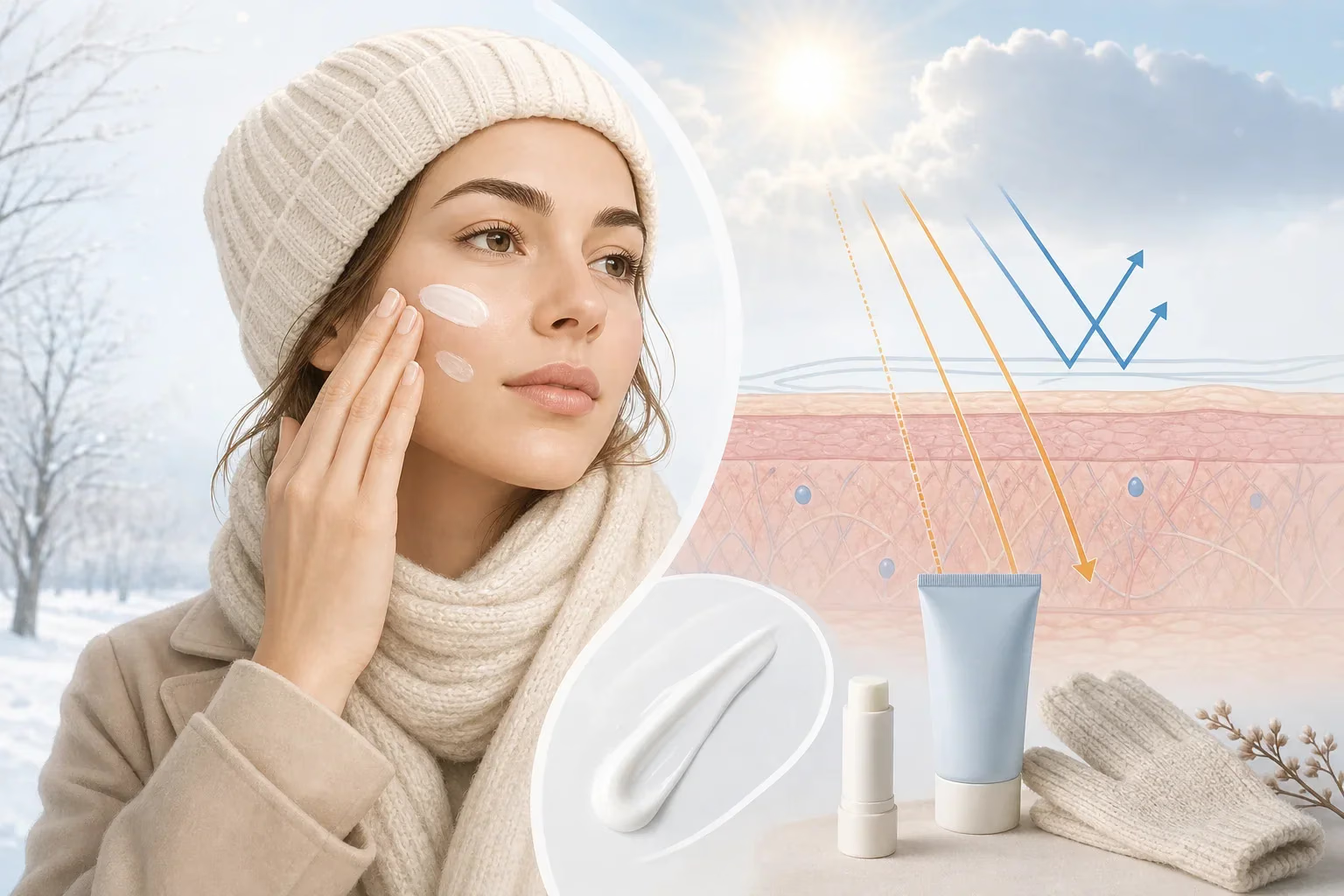
In fact, ultraviolet radiation is present throughout the year. UVA radiation, which is involved in photoageing and the development of UV-induced skin lesions, can reach the skin even on less sunny days.
In addition, snow reflects ultraviolet radiation, increasing exposure during activities in the mountains.
Which product should you choose?
• A broad-spectrum product that provides UVA and UVB protection.
• SPF 30 or higher, ideally SPF 50+ for prolonged exposure or outdoor activities.
• A formula suited to your skin type and comfortable enough for daily use.
If you have dry skin, you can choose an SPF with a creamier texture that also provides additional comfort. For oily or acne-prone skin, fluid formulas with a matte finish and a non-comedogenic label are available.
Apply a sufficient amount of the product to your face, neck, and ears. If you spend time outdoors, reapply approximately every two hours and after sweating or wiping the skin.
Another important point is that you do not automatically need to stop using the active ingredients that are already part of your routine. Retinoids, exfoliating acids, and other potentially irritating products can still be included if they are well tolerated. However, if dryness, erythema, or flaking develops, it may be necessary to reduce the frequency of application and prioritise moisturising.
Final takeaway
Conclusion
An effective skincare routine for the colder months does not need to be complicated or contain numerous products. A gentle cleanser, a moisturiser suited to your skin type, and a sun protection product form the basis of proper skincare. If you notice that your skin becomes persistently dry, sensitive, or irritated, a dermatological consultation can help identify the cause and guide you in choosing suitable products.
Medical information notice
This material is for informational purposes and does not replace a medical consultation, diagnosis, or personalised recommendation from a doctor.
Frequently asked questions
Do I need to completely change my skincare routine when winter arrives?
No. You do not need to replace all the products you use. However, if you notice that your skin is becoming drier or more sensitive, you can adjust the texture of your moisturising products and reduce the use of exfoliating ingredients that cause irritation.
Do I still need to use SPF if it is not sunny outside?
Yes. UVA radiation is present throughout the year and can contribute to photoageing. Using a broad-spectrum product with an SPF of at least 30 is recommended when the skin is exposed outdoors.
Can I continue using retinol or tretinoin in winter?
Yes. Low temperatures are not a contraindication to the use of retinoids. If dryness, flaking, or irritation develops, it may be necessary to adjust the frequency of application and increase moisturising. Photoprotection should be maintained.
Medical sources
- 1
Your Winter Skin Survival Kit.
American Academy of Dermatology (AAD)
- 2
How to Pick the Right Moisturizer for Your Skin.
American Academy of Dermatology (AAD)
- 3
Why You Need Sun Protection in the Winter.
American Academy of Dermatology (AAD)
Continue reading
Related medical articles
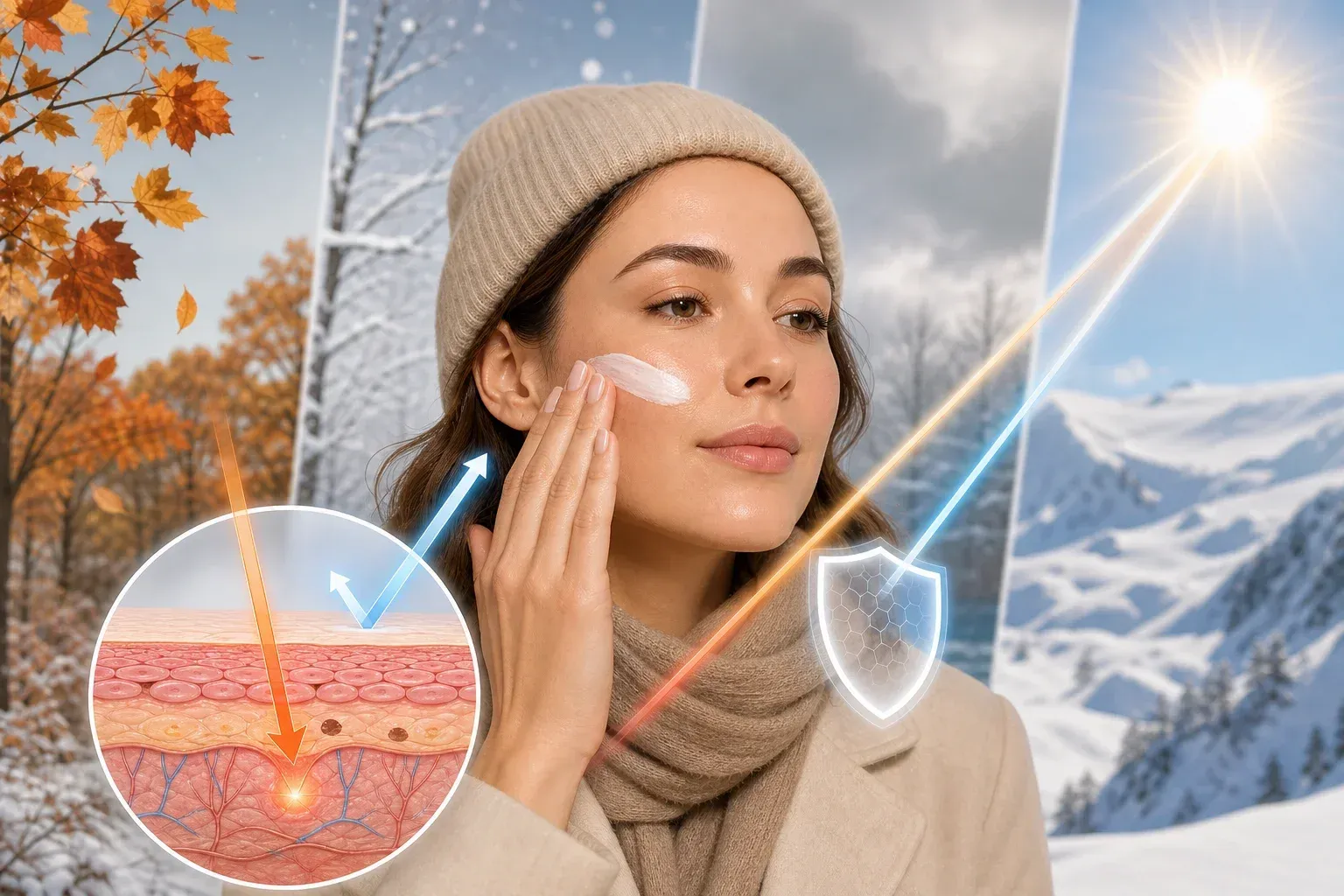
Not Using SPF in Autumn and Winter? Why Sun Protection Is Not Seasonal
Think sun protection is only necessary in summer? Ultraviolet rays are present throughout the year, although their intensity varies depending on the season, weather, and location. In this article, you will learn when SPF is necessary during the colder months, what role the UV Index plays, and in which situations sun protection remains important even in winter.
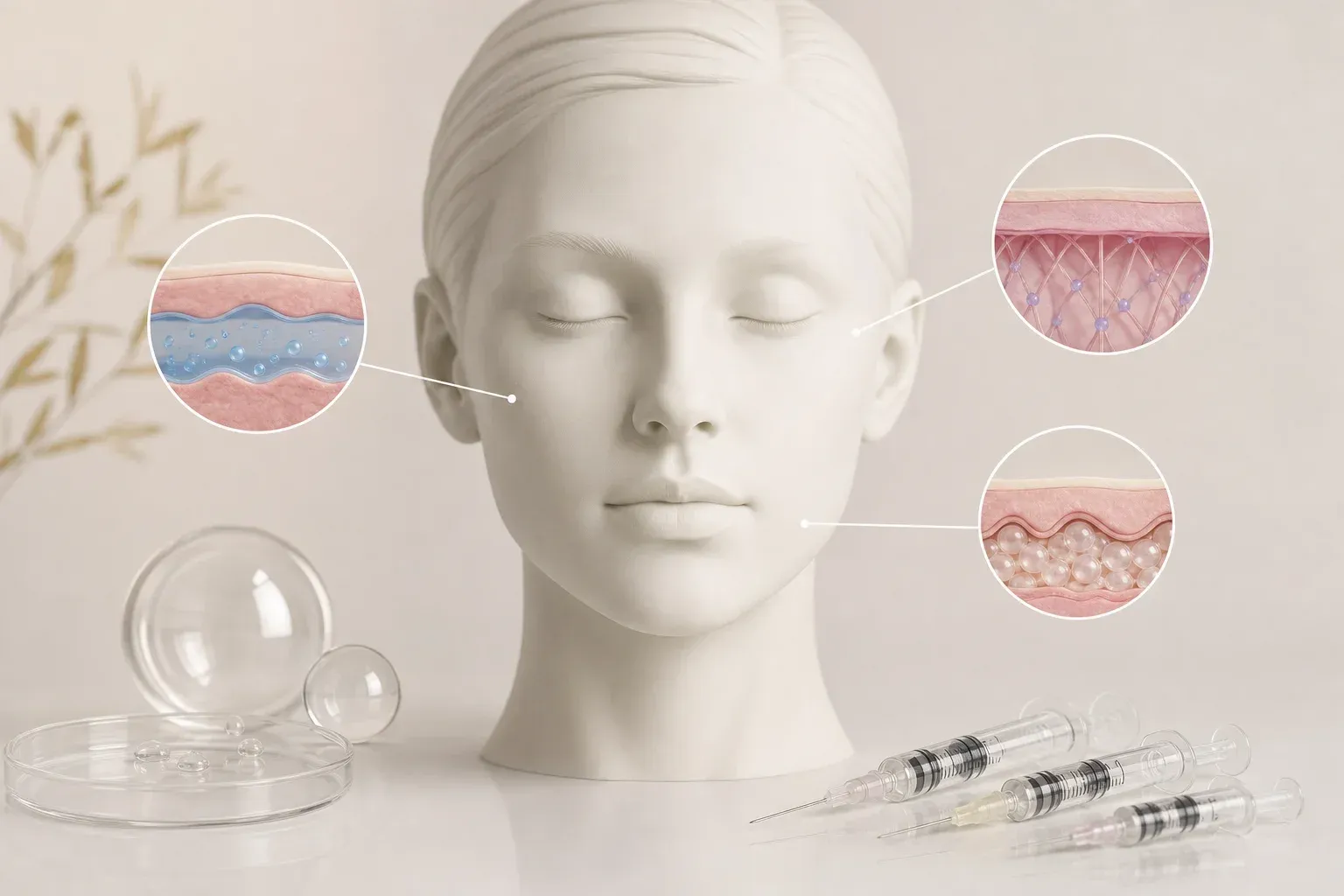
Skin Boosters, Biostimulators, and Fillers: What Is the Difference and Which Treatment Is Right for You?
Skin boosters, biostimulators, and fillers are injectable treatments used in aesthetic medicine for different purposes. Some aim to improve skin hydration and quality, others stimulate collagen remodeling processes, while fillers are used mainly to restore volume. In this article, you will learn how each category works, what results you can expect, and how the appropriate treatment is selected based on the skin’s needs and the aesthetic goal.

Sugar Cravings: Lack of Willpower or a Biological Response?
Sugar cravings are not always a sign of hunger or evidence of a “lack of willpower.” They may be influenced by sleep, dietary restriction, stress, habits, and the availability of highly palatable foods. In this article, you will learn how to distinguish hunger from a craving, which factors can intensify cravings, and which strategies may help without rigid restrictions.