
Useful information
Not Using SPF in Autumn and Winter? Why Sun Protection Is Not Seasonal
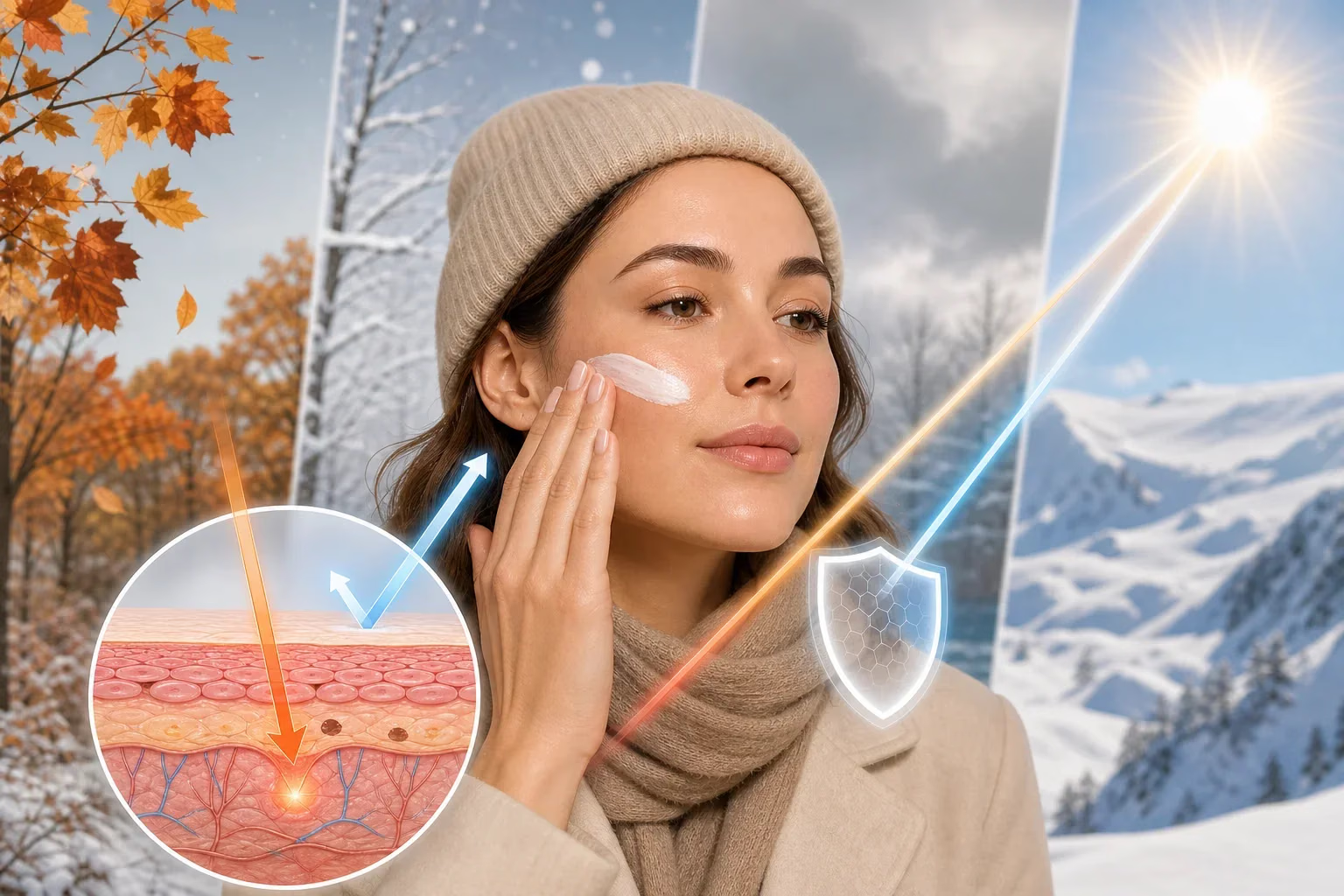
Think sun protection is only necessary in summer? Ultraviolet rays are present throughout the year, although their intensity varies depending on the season, weather, and location. In this article, you will learn when SPF is necessary during the colder months, what role the UV Index plays, and in which situations sun protection remains important even in winter.
Patient Guide
As temperatures fall, many people stop using sunscreen because they believe that the sun’s rays no longer pose a risk to their skin. In reality, the outdoor temperature does not reflect the intensity of ultraviolet radiation.
Exposure to UV radiation contributes both to skin photoaging and to an increased risk of skin cancer. Although the intensity of UVB radiation decreases considerably during the colder months, UVA radiation continues to reach the skin’s surface.
So, should we use SPF in autumn and winter? The answer depends on UV radiation levels and each person’s specific exposure circumstances.
Key points
- UVA radiation is present throughout the year and contributes to photoaging and pigmentation.
- Sun protection is recommended particularly when the UV Index is 3 or higher, regardless of the season.
- Snow, altitude, and prolonged outdoor exposure can significantly increase the need for sun protection, including in winter.
In this article
01
UVA and UVB Rays Do Not Disappear When Winter Arrives
Ultraviolet radiation is divided into two main categories that are relevant to the skin: UVA and UVB.
UVB radiation is primarily responsible for sunburn (skin redness after prolonged sun exposure) and plays an important role in skin carcinogenesis. Its intensity varies significantly by season, being higher in summer and lower in winter.
UVA radiation penetrates deeper into the skin and contributes to the breakdown of collagen and elastin fibres, photoaging, the development of wrinkles, and pigmentation disorders. Unlike UVB, UVA intensity varies less throughout the year.
Moreover, UVA radiation can pass through standard window glass, which means exposure may continue even when we spend a great deal of time near a window.
Therefore, although the risk of sunburn is lower in winter, exposure to ultraviolet radiation does not disappear completely.
02
When Is It Necessary to Apply SPF in Autumn and Winter?
A useful indicator for deciding when we need sun protection is the UV Index (UVI). It estimates the intensity of ultraviolet radiation and its potential to cause harmful effects on the skin.
The World Health Organization’s recommendations are as follows:
UVI 0–2: the risk from exposure is low, and under ordinary conditions, no additional sun protection measures are necessary for most people.
UVI 3–7: sun protection is recommended, particularly around midday.
UVI 8 or higher: additional protection is necessary, including avoiding exposure during periods of intense radiation.
In Romania, the UV Index decreases considerably during the winter months, so applying SPF every day is not essential in every situation.
However, there are several important exceptions:
1. People who spend a great deal of time outdoors. 2. People who participate in winter sports or go to the mountains, where altitude and the reflection of radiation from snow increase exposure. 3. People with melasma, hyperpigmentation, or other conditions aggravated by light. 4. Patients undergoing dermatological treatments that require photoprotection, depending on the substance used and the medical indication.
It is important to check the local UV Index rather than relying exclusively on the outdoor temperature or the appearance of the sky.
03
How to Apply SPF Correctly to the Face: The Two-Finger Rule
When photoprotection is necessary, the recommendation is to choose a product with:
• SPF 30–50+: provides protection against UVB radiation. • UVA protection: check for the UVA symbol inside a circle on the packaging, which indicates compliance with the European standard for UVA protection. • Broad-spectrum protection: the product should protect against both UVA and UVB radiation.
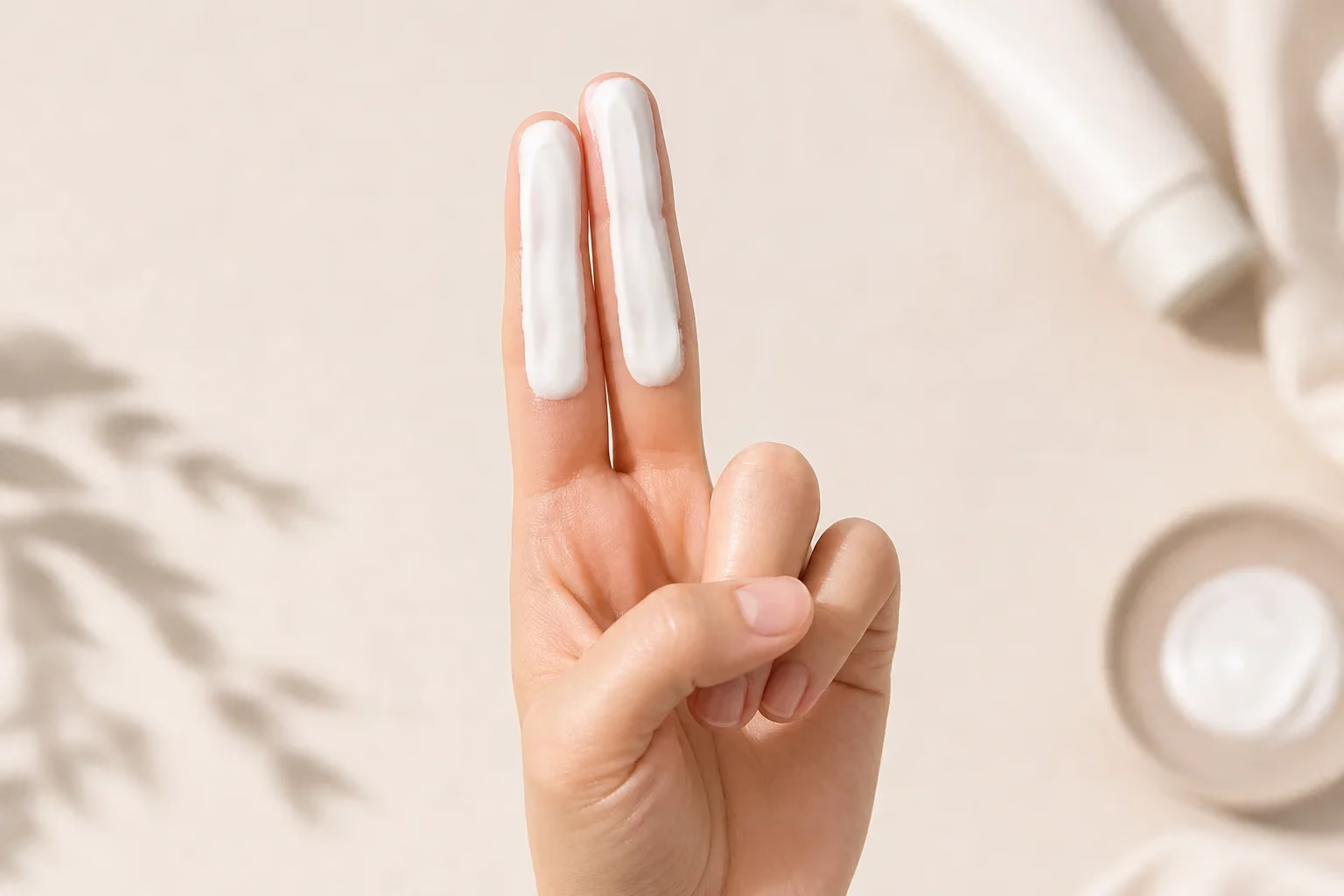
To obtain the level of protection stated on the packaging, it is important to apply a sufficient amount of product—approximately 2 mg/cm² of skin. Or, more simply, use the “two-finger rule”: apply a line of SPF along the entire length of both the index and middle fingers. This is the recommended amount for use on the face.
During prolonged outdoor exposure, sunscreen should be reapplied approximately every two hours and after heavy sweating, swimming, or wiping the skin.
In addition, photoprotection is not limited to applying sunscreen. Hats, sunglasses, suitable clothing, and avoiding exposure during periods when the UV Index is high provide additional skin protection.
One important point: if you spend most of the day indoors, have no meaningful outdoor exposure, and the UV Index is low, applying SPF should not be regarded as a universal requirement.
Final takeaway
Conclusion
Sun protection is not reserved exclusively for summer, but the need to use it varies depending on the UV Index, the amount of time spent outdoors, and individual skin characteristics. Check the UV Index and adapt your skincare routine according to your exposure. If you have melasma, hyperpigmentation, or other dermatological concerns, schedule a consultation to determine the photoprotection strategy that is appropriate for your skin.
Medical information notice
This material is for informational purposes and does not replace a medical consultation, diagnosis, or personalised recommendation from a doctor.
Frequently asked questions
Do I need to use SPF every day, including in winter?
Not necessarily. The general recommendation is to use sun protection when the UV Index is 3 or higher. However, people with melasma, hyperpigmentation, or other photosensitive conditions may require photoprotection even when the UV Index is low.
If I use SPF 50 in summer, can I use SPF 30 in winter?
Yes. The level of protection can be adapted to the exposure conditions. An SPF 30 product with adequate UVA protection is an appropriate choice in many situations. SPF 50+ is preferable for intense exposure, trips to the mountains, or winter sports.
Do I still need SPF if it is cloudy outside?
Yes, if the UV Index indicates that protection is needed. Clouds do not completely block ultraviolet radiation, and some types of cloud may allow a significant amount of radiation to pass through.
Medical sources
- 1
Ultraviolet radiation – Fact sheet.
World Health Organization (WHO)
- 2
Radiation: The ultraviolet (UV) index.
World Health Organization (WHO)
- 3
Why you need sun protection in the winter.
American Academy of Dermatology (AAD).
Continue reading
Related medical articles
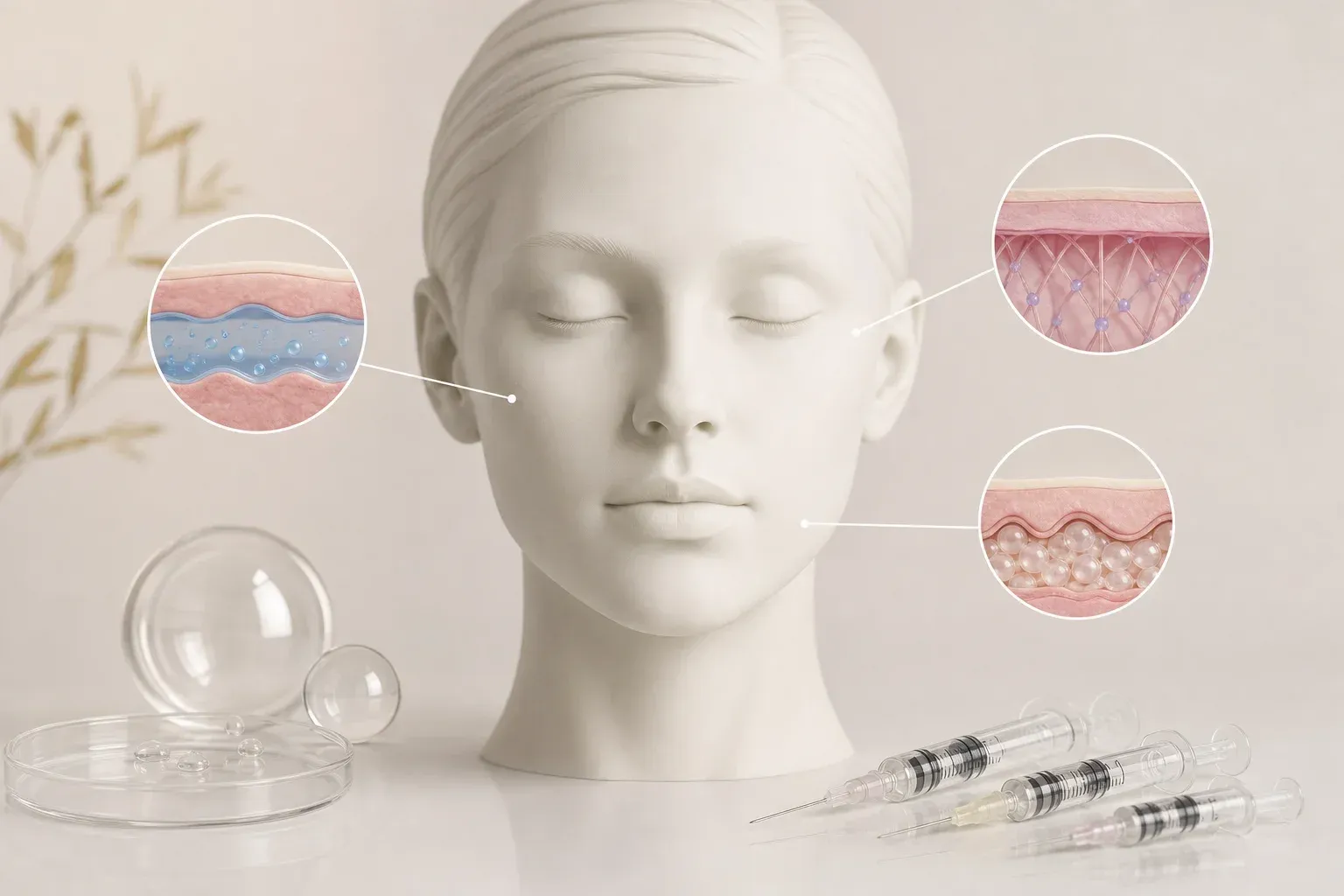
Skin Boosters, Biostimulators, and Fillers: What Is the Difference and Which Treatment Is Right for You?
Skin boosters, biostimulators, and fillers are injectable treatments used in aesthetic medicine for different purposes. Some aim to improve skin hydration and quality, others stimulate collagen remodeling processes, while fillers are used mainly to restore volume. In this article, you will learn how each category works, what results you can expect, and how the appropriate treatment is selected based on the skin’s needs and the aesthetic goal.

Sugar Cravings: Lack of Willpower or a Biological Response?
Sugar cravings are not always a sign of hunger or evidence of a “lack of willpower.” They may be influenced by sleep, dietary restriction, stress, habits, and the availability of highly palatable foods. In this article, you will learn how to distinguish hunger from a craving, which factors can intensify cravings, and which strategies may help without rigid restrictions.
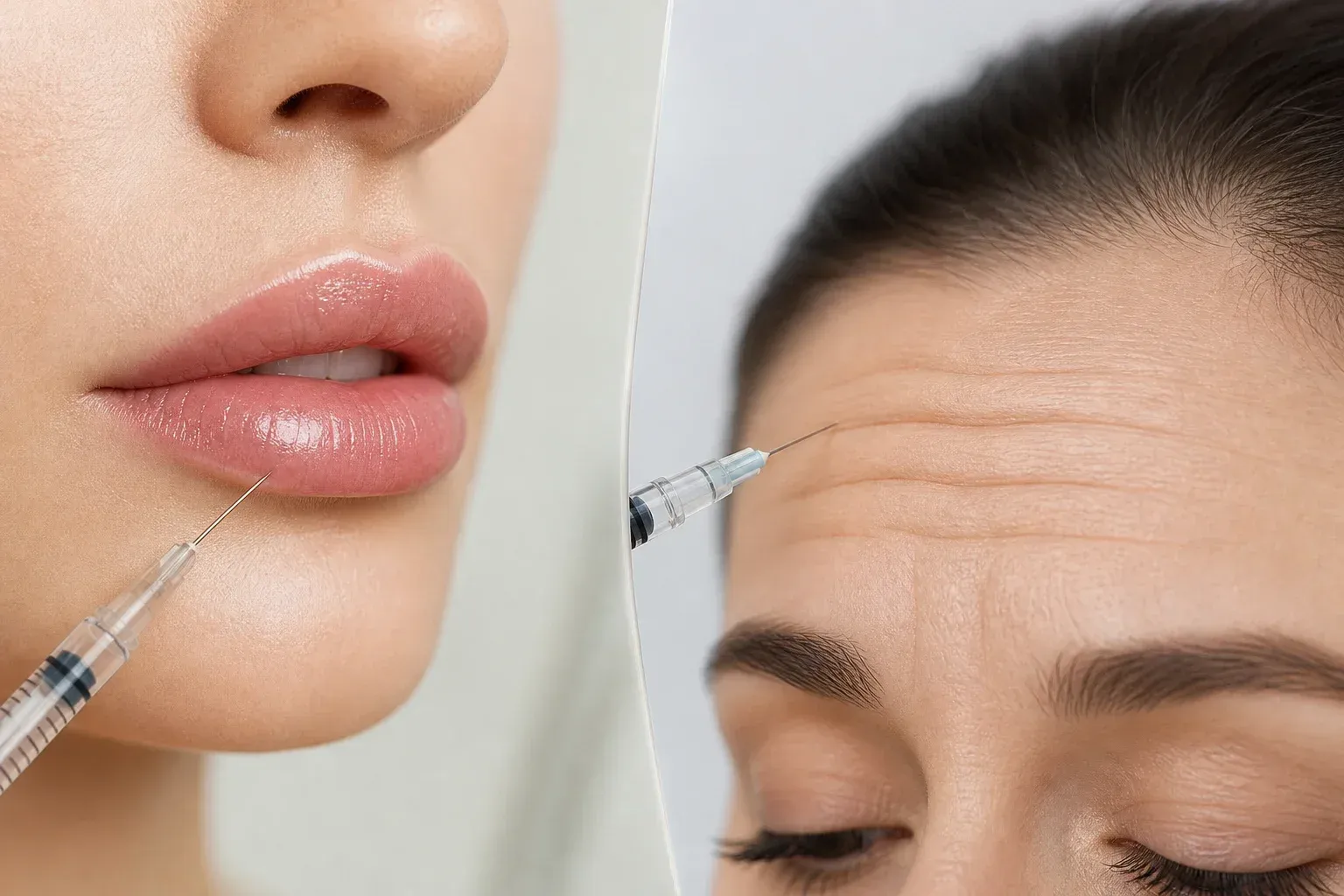
Hyaluronic Acid or Botox? How to Choose the Right Treatment for Wrinkles and Facial Rejuvenation
“Hyaluronic acid or Botox?” is the first question many patients ask when they visit the clinic. Today, we discuss: • The difference between botulinum toxin and hyaluronic acid dermal fillers. • Which treatment is suitable for expression lines, loss of facial volume, and lip contouring. • How long the results last, what the risks are, and why a medical consultation is essential.