
Plastic Surgery

Medical Specialties
Plastic Surgery
Plastic, aesthetic, and reconstructive surgery is the medical specialty dedicated to correcting and reconstructing anatomical defects, as well as improving aesthetic appearance through surgical and minimally invasive procedures. Within the clinic, interventions are performed by specialized physicians, with emphasis on safety, natural results, and personalized treatment plans.
Details
About this specialty
Plastic, aesthetic, and reconstructive microsurgery are medical specialties dedicated to restoring function and anatomical harmony, as well as improving aesthetic appearance through surgical interventions and minimally invasive procedures.
This branch of medicine encompasses both reconstructive surgery, aimed at correcting defects resulting from trauma, surgical procedures, or oncological pathologies, as well as aesthetic surgery, which seeks to improve bodily and facial proportions and harmony.
Within the clinic, patients benefit from specialized consultations and personalized treatment plans, established following detailed medical evaluation. Interventions are performed according to modern standards of medical practice, utilizing advanced surgical techniques and careful planning of each case.
Beyond surgical interventions, the specialty also includes minimally invasive aesthetic procedures, integrated into a modern approach to rejuvenation and aesthetic optimization. The objective of these treatments is to achieve natural, harmonious results adapted to each patient's individual characteristics.
By combining surgical expertise, modern techniques, and rigorous medical evaluation, plastic surgery offers safe and effective solutions for reconstruction, correction, and improvement of anatomical and aesthetic appearance.
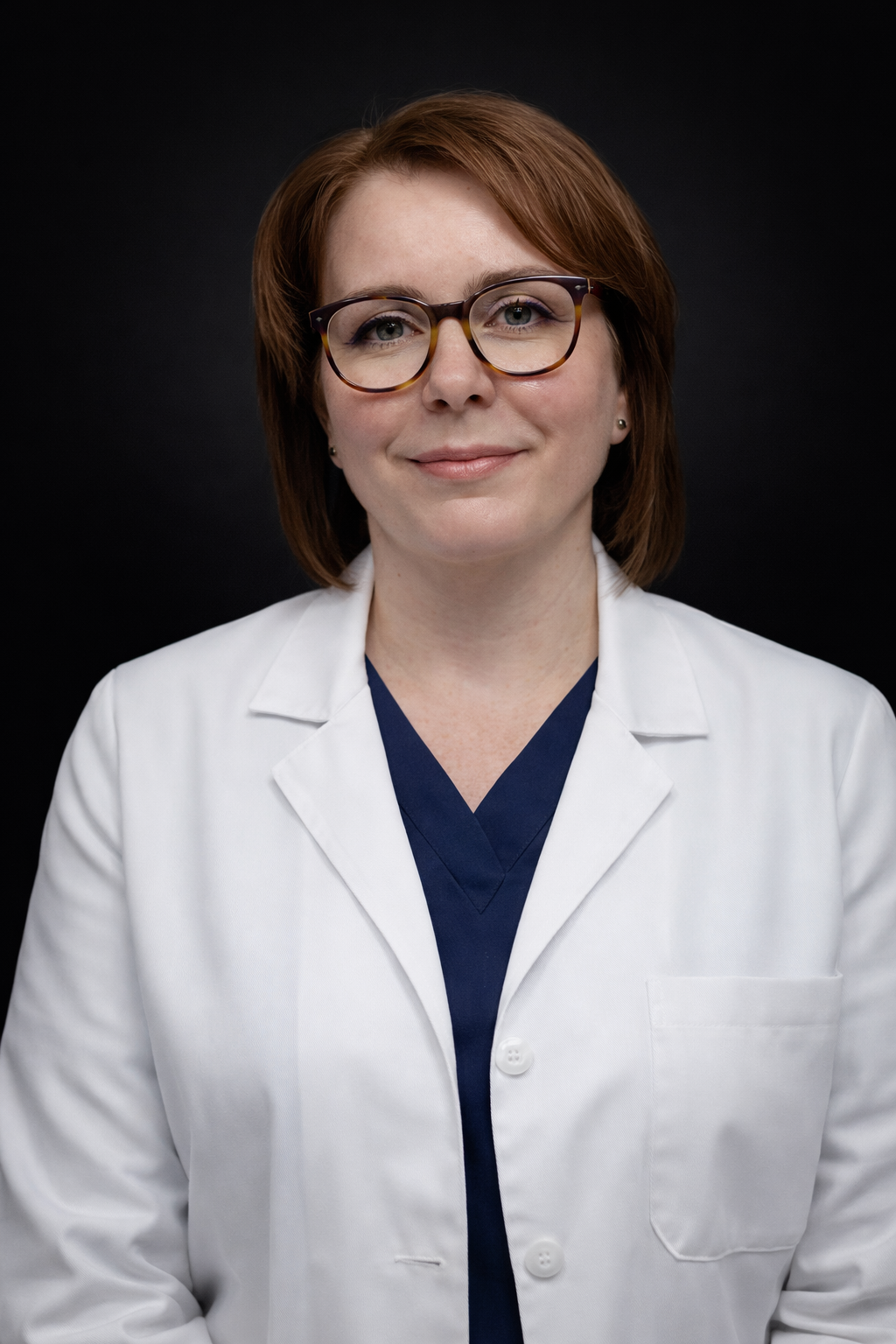
Assoc. Prof. Dr. Laura Răducu
Senior physician in plastic, aesthetic surgery and reconstructive microsurgery
Coordinates the clinic's plastic surgery activity, performing reconstructive and aesthetic surgical interventions, with emphasis on modern techniques and harmonious functional and aesthetic results.
Dr. Iuliana Spiridon
Specialist physician in plastic, aesthetic surgery and reconstructive microsurgery
Performs plastic surgery interventions and aesthetic procedures, with emphasis on modern surgical techniques and achieving natural and balanced results.
Our Services
Services in this specialty
Primary Care Physician Consultation - Plastic Surgery
A primary consultation with a plastic surgeon represents a medical evaluation performed by an experienced specialist for the diagnosis and establishment of treatment options in cases of skin conditions, surgical procedures, or aesthetic interventions.
Primary medical check-up plastic surgery
Follow-up examination with the primary physician in plastic surgery represents the monitoring consultation performed after a surgical intervention or after an initial evaluation, for monitoring the progress and adjusting the treatment plan, if necessary.
Plastic Surgery Specialist Doctor Consultation
Consultation with a specialist doctor in plastic surgery represents the medical evaluation performed for the diagnosis and establishment of treatment options in cases of skin lesions, subcutaneous formations or plastic and aesthetic surgery procedures
Specialist medical consultation in plastic surgery
Specialist consultation in plastic surgery represents a follow-up consultation performed after an intervention or after an initial evaluation, for monitoring progress and adapting the treatment plan, if necessary
Cutaneous oncologic surgery
Squamous cell carcinoma surgery – primary care physician
Squamous cell carcinoma is a type of skin cancer that develops in the squamous cells of the skin and is frequently associated with prolonged exposure to ultraviolet radiation. Lesions may appear especially on sun-exposed areas, such as the face, scalp, ears, or hands. Early diagnosis and treatment are essential for preventing disease progression. During medical consultation, the physician evaluates the skin lesion and establishes a personalized treatment plan, which may include surgical excision of the tumor.
Surgery for squamous cell carcinoma specialist physician
Squamous cell carcinoma is a type of skin cancer that occurs at the level of squamous cells of the skin and is frequently associated with prolonged exposure to ultraviolet radiation. Lesions may appear especially on sun-exposed areas, such as the face, scalp, ears, or hands. Early diagnosis and treatment are essential for preventing disease progression. During the medical consultation, the physician evaluates the skin lesion and establishes a personalized treatment plan, which may include surgical excision of the tumor.
Basal cell carcinoma surgery – primary care physician
Basal cell carcinoma is the most common form of skin cancer and appears at the level of the basal cells of the skin. This condition is primarily associated with prolonged exposure to ultraviolet radiation and frequently occurs on sun-exposed areas, such as the face, scalp, ears, or neck. Early diagnosis and treatment are essential for preventing lesion extension. During medical consultation, the physician evaluates the skin lesion and establishes a personalized treatment plan, which may include surgical excision of the tumor.
Basal cell carcinoma surgery specialist physician
Basal cell carcinoma is the most common form of skin cancer and occurs at the level of the basal cells of the skin. This condition is primarily associated with prolonged exposure to ultraviolet radiation and frequently appears on sun-exposed areas, such as the face, scalp, ears, or neck. Early diagnosis and treatment are essential for preventing the spread of the lesion. During the medical consultation, the physician evaluates the skin lesion and establishes a personalized treatment plan, which may include surgical excision of the tumor.
Melanoma excision with safety margin – primary care physician
Melanoma is an aggressive form of skin cancer that develops from the pigment-producing cells of the skin (melanocytes). Early diagnosis and treatment are essential for disease control and for preventing its spread. Standard treatment for melanoma consists of surgical excision of the lesion together with a safety margin of healthy tissue, in order to reduce the risk of recurrence. During the medical consultation, the physician evaluates the skin lesion and establishes a personalized treatment plan.
Melanoma excision with safety margin by medical specialist
Melanoma is an aggressive form of skin cancer that develops from the pigment-producing cells of the skin (melanocytes). Early diagnosis and treatment are essential for disease control and for preventing its spread. Standard treatment for melanoma consists of surgical excision of the lesion together with a safety margin of healthy tissue, in order to reduce the risk of recurrence. During the medical consultation, the physician evaluates the skin lesion and establishes a personalized treatment plan.
Histopathological analysis of lesion
Histopathological analysis represents an essential medical investigation for establishing diagnosis in cases of excised skin lesions. This analysis allows microscopic examination of tissue for identifying cellular changes and for confirming the benign or malignant nature of the lesion. Following excision of a skin lesion, the tissue sample is sent for histopathological examination, which provides important information for establishing diagnosis and for evaluating resection margins.
Immunohistochemistry
Immunohistochemistry is an advanced analytical method used in pathological anatomy to identify certain types of cells and tumor markers in examined tissues. This investigation is used as a complementary method to histopathological analysis and can contribute to establishing a precise diagnosis in cases of skin lesions. In certain situations, the physician may recommend immunohistochemical examination of a tissue sample for diagnostic clarification or for evaluating tumor characteristics.
Excision of subcutaneous formations (lipoma)
Excision of lipoma 2–5 cm – primary care plastic surgeon
Excision of a 2–5 cm lipoma, performed by a senior dermatologist, is a minor surgical procedure used for complete removal of this benign fatty tissue formation. The intervention is performed under local anesthesia, being a safe and efficient procedure.
Excision of lipoma 2–5 cm – plastic surgery specialist physician
Excision of a lipoma of 2–5 cm, performed by a specialist physician in plastic surgery, is a surgical procedure used for complete removal of this benign adipose tissue formation. The intervention is performed under local anesthesia, being a safe, efficient procedure with optimal aesthetic results.
Excision of lipoma 2–5 cm – plastic surgery specialist physician
Excision of a 2–5 cm lipoma, performed by a specialist physician in plastic surgery, is a surgical procedure used for complete removal of this benign adipose tissue formation. The intervention is performed under local anesthesia, being a safe, efficient procedure with optimal aesthetic outcome.
Surgical treatment of 5–7 lipomas in one session
Surgical removal of 5–7 lipomas in a single session is a surgical procedure used for the simultaneous removal of multiple benign fatty tissue formations. The intervention is performed under local anesthesia and allows for the efficient treatment of multiple lipomas in a single session.
Excision of Skin Lesions by Plastic Surgeon
Excision of skin lesion <1 cm – primary care plastic surgeon
Excision of a skin lesion under 1 cm, performed by a primary care physician in plastic surgery, is a minor surgical procedure used for complete removal of benign or suspicious skin formations. The intervention is performed under local anesthesia, being quick and safe.
Excision of skin lesion <1 cm by plastic surgery specialist
Excision of a skin lesion under 1 cm, performed by a physician specialist in plastic surgery, is a minor surgical procedure used for complete removal of benign or suspected skin formations. The intervention is performed under local anesthesia, being rapid and safe.
Excision of skin lesion 1–3 cm – primary care physician, plastic surgery
Excision of a skin lesion of 1–3 cm, performed by a primary care physician in plastic surgery, is a surgical procedure used for complete removal of benign or suspicious skin formations. The intervention is performed under local anesthesia, being a safe and efficient procedure.
Excision of skin lesion 1–3 cm – plastic surgery specialist physician
Excision of a skin lesion of 1–3 cm, performed by a plastic surgery specialist physician, is a surgical procedure used for complete removal of benign or suspicious skin formations. The intervention is performed under local anesthesia, being a safe and efficient procedure.
Histopathological analysis of lesion (biopsy)
Microscopic examination of excised tissue for diagnosis establishment and identification of possible pathological changes.
Other plastic surgery interventions
Carpal tunnel decompression – surgical treatment for carpal tunnel syndrome
Carpal tunnel decompression is a surgical intervention used for the treatment of carpal tunnel syndrome, a condition caused by compression of the median nerve at the level of the wrist. The procedure aims to reduce pressure on the nerve, ameliorating symptoms such as pain, numbness, or tingling at the level of the hand.
Suture removal (surgical wound)
Suture removal is a medical procedure used to remove threads applied during a surgical intervention or after wound closure. The procedure is quick, minimally invasive, and is performed after the wound has healed properly.
OUR SPECIALISTS
Doctors Who Offer This Specialty
Schedule a Consultation
Book an appointment online or contact us for more details.
0747 777 107

