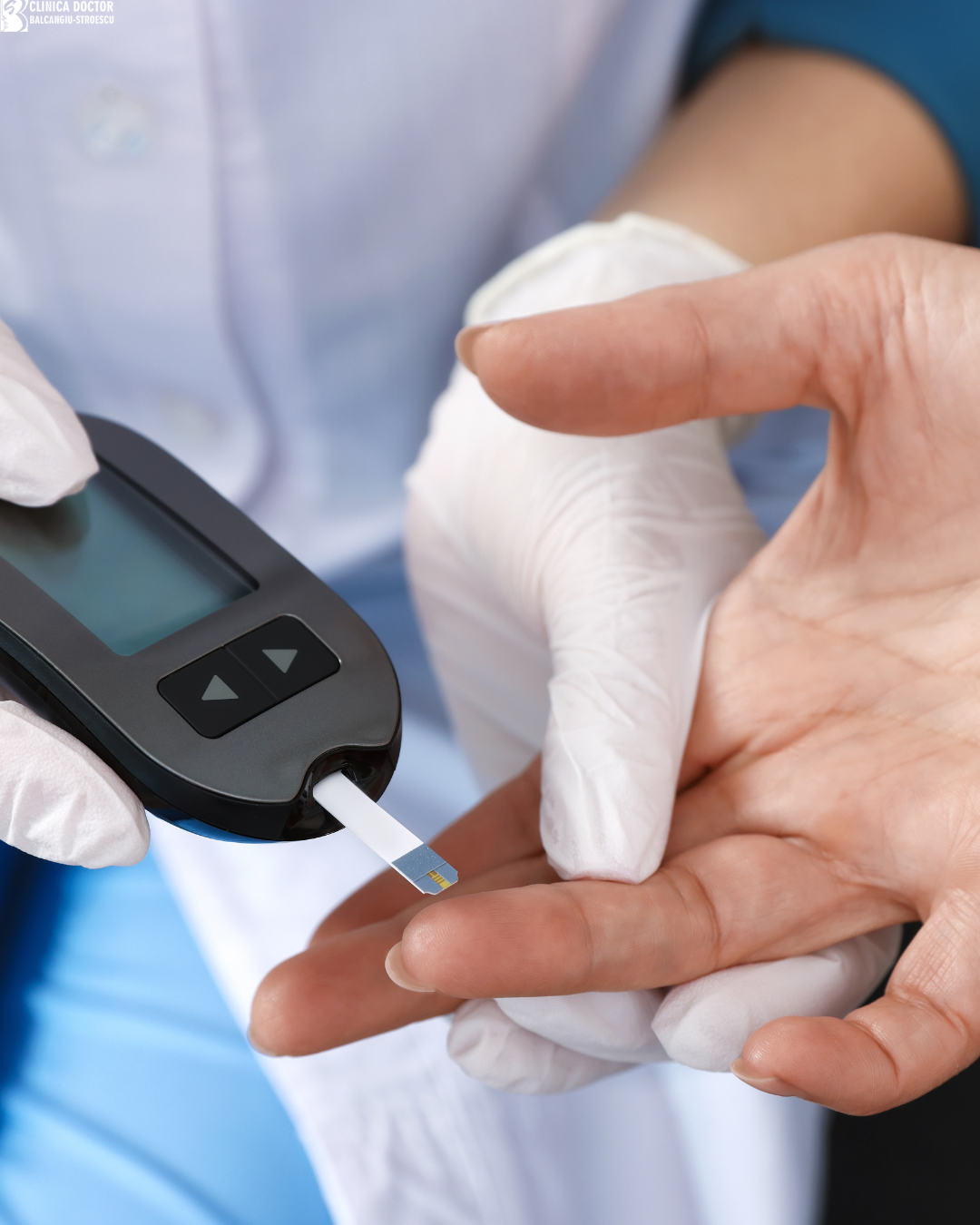

Diabetes mellitus is one of the most common metabolic diseases worldwide and affects millions of people. In many cases, diabetes can progress for a long period without obvious symptoms, which is why diagnosis is sometimes made late, after complications have appeared.
However, the body can transmit certain warning signals when blood glucose levels are elevated. Recognizing these symptoms is important for early diagnosis and for initiating appropriate treatment.
What is diabetes mellitus
Diabetes mellitus is a condition characterized by elevated levels of glucose (sugar) in the blood. This situation occurs when the body no longer produces any insulin at all (type 1 diabetes mellitus) or when secretion is insufficient and insulin no longer acts effectively (type 2 diabetes mellitus).
Insulin is a hormone produced by the pancreas and serves to allow glucose from the blood to enter cells to be used as an energy source. When this mechanism does not work properly, glucose accumulates in the blood and characteristic symptoms of diabetes appear.
The most common symptoms of diabetes
Diabetes symptoms can vary from person to person. In some cases they are obvious, while in other situations they can be mild or appear gradually.
Excessive thirst (polydipsia)
One of the most common manifestations of diabetes is a constant sensation of thirst. Elevated blood glucose levels cause the body to eliminate more water through urine, which leads to dehydration and the onset of intense thirst.
Patients may notice that they drink much more water than usual.
Frequent urination (polyuria)
Frequent urination is another characteristic symptom. When blood glucose exceeds a certain value, the kidneys eliminate excess glucose through urine.
This causes the production of a larger amount of urine and the need to go to the toilet more frequently, including at night.
Increased sensation of hunger (polyphagia)
In diabetes, glucose remains in the blood and does not reach cells efficiently. Thus, the body cannot properly utilize the available energy, and this can determine a persistent sensation of hunger.
Fatigue and lack of energy
People with diabetes may frequently experience fatigue or decreased energy levels. This occurs because glucose fails to enter the cell properly to produce energy.
Fatigue can be persistent and can affect daily activities.
Unexplained weight loss
Sometimes, especially in type 1 diabetes mellitus, unexplained weight loss can occur. The body begins to use fat and protein reserves to produce energy.
Blurred vision
Elevated blood glucose levels can temporarily affect the eye lens, causing blurred vision. This symptom can be fluctuating and may improve after controlling blood glucose.
Frequent infections
People with diabetes may present more frequent infections, including:
- skin infections
- urinary tract infections
- fungal infections
This is because elevated blood glucose can promote the development of microorganisms.
Slow wound healing
Another possible sign of diabetes is slower healing of wounds or cuts. Impaired circulation and elevated blood glucose levels can slow the healing process.
Risk factors for diabetes
There are certain situations that increase the risk of developing diabetes, especially type 2 diabetes mellitus.
Among these factors are:
- overweight or obesity
- sedentary lifestyle
- family history of diabetes
- arterial hypertension
- dyslipidemia (elevated cholesterol)
- age over 45 years
People who present these risk factors should monitor their blood glucose periodically.
When testing is recommended
If you notice symptoms such as excessive thirst, frequent urination, or persistent fatigue, it is recommended to discuss with your doctor and perform blood tests.
Tests frequently used for diagnosis include:
- fasting blood glucose
- glycated hemoglobin (HbA1c)
- glucose tolerance test
These investigations can confirm or exclude a diagnosis of diabetes.
Importance of early diagnosis
Early diagnosis of diabetes is very important because it allows rapid initiation of treatment and adoption of lifestyle changes.
Controlling blood glucose reduces the risk of long-term complications, such as nerve damage, kidney damage, eye damage, or cardiovascular system damage.
Conclusion
Diabetes can have varied symptoms, and sometimes these can be subtle or appear gradually. Excessive thirst, frequent urination, fatigue, and recurrent infections are among the most common signs that can suggest this condition.
If you notice such symptoms or have risk factors for diabetes, it is recommended to perform the necessary tests and request medical consultation.
Early diagnosis and treatment can help maintain good health and prevent complications.