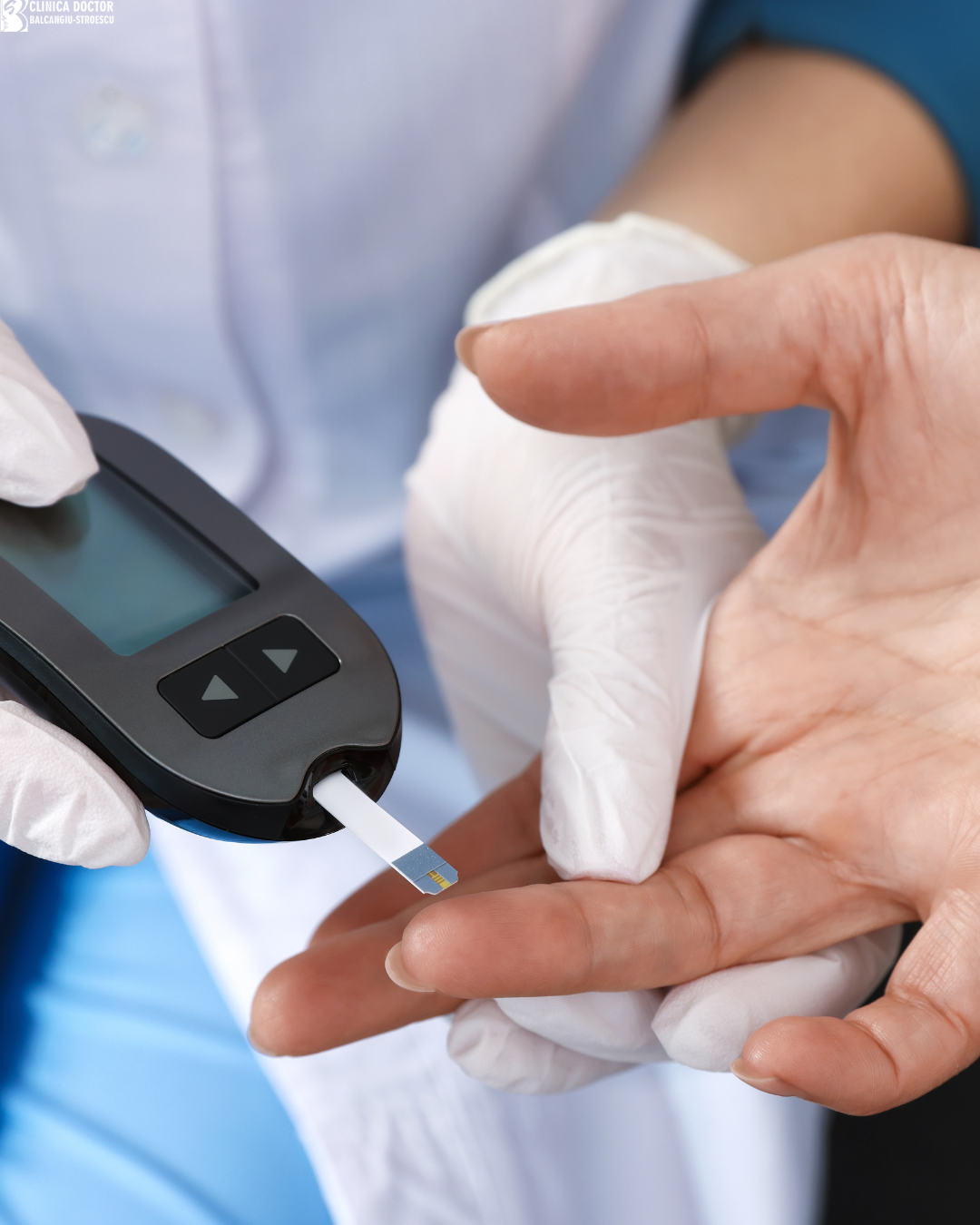

The skin is the largest organ of the body and plays an essential role in protecting the body against external factors, bacteria, and infections. In people with diabetes mellitus, the skin can become more vulnerable due to metabolic, circulatory, and immune changes associated with this disease.
Elevated blood glucose levels, impaired blood circulation, and increased predisposition to infections can lead to skin problems such as skin dryness, itching, infections, or slow wound healing. For this reason, proper skin care is an important part of diabetes management.
Adopting simple daily care measures can help prevent many skin complications.
Why is skin care important in diabetic patients
Diabetes can affect the skin through several mechanisms.
First, hyperglycemia causes loss of fluids from the body, which can lead to skin dehydration. Dry skin becomes more fragile and may develop cracks or fissures, which can serve as entry points for bacteria.
Second, blood circulation can be affected, especially in the lower extremities. Reduced circulation slows the healing process and may increase the risk of infections.
Furthermore, diabetes can affect the immune system, reducing the body's ability to fight infections. Thus, skin infections may occur more frequently and can progress more severely.
Common skin problems in people with diabetes
People with diabetes may present with several types of skin problems.
Dry skin
Skin dryness is one of the most common manifestations. Dry skin can cause itching and may promote the development of cracks.
Skin infections
Bacterial and fungal infections are more common in people with diabetes. These can occur especially in skin fold areas or in places where the skin is traumatized.
Slow wound healing
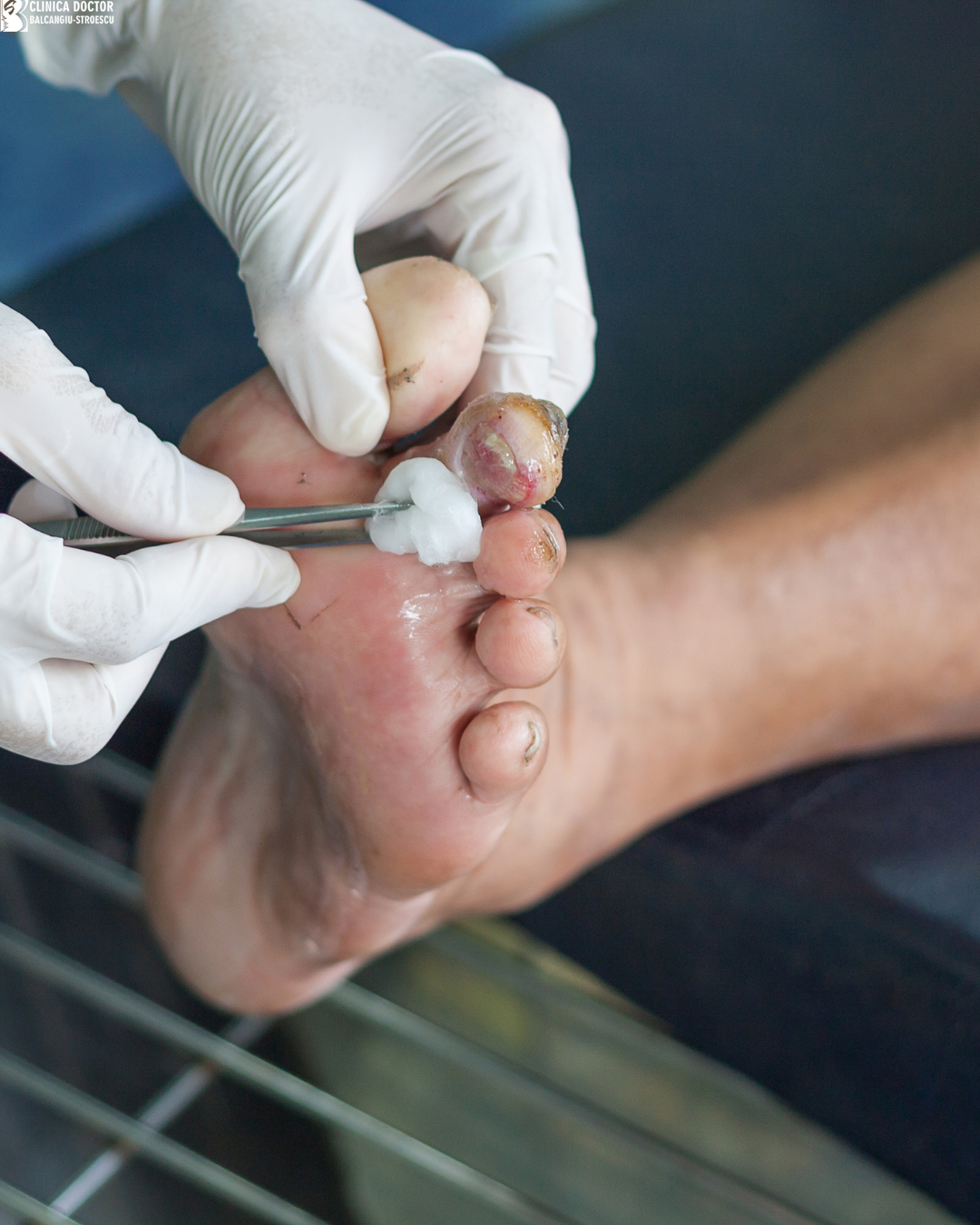
Wounds, even minor ones, may have a slower healing process. If not properly cared for, they can progress to infections.
Foot skin problems
The feet are a particularly important area in diabetic patients. Diabetic neuropathy can reduce sensitivity, and patients may not immediately notice injuries or trauma.
Recommendations for skin care
Proper skin care can reduce the risk of skin complications.
Skin hydration
Daily use of moisturizing creams helps maintain skin integrity. Emollient creams are useful in preventing dryness and cracks.
It is recommended to apply moisturizing creams after bathing or showering, when the skin is still slightly moist.
Proper hygiene
Daily washing of the skin with gentle products, followed by careful drying, especially in fold areas and interdigital spaces, can prevent infections.
Very hot water should be avoided, as it can worsen skin dryness.
Skin protection
It is important that the skin is protected against trauma. Cuts or scratches should be cleaned and monitored to prevent infections.
Foot care in diabetic patients
The feet require special attention because complications can occur more frequently in this area.
Recommendations include:
- daily inspection of the feet
- maintaining proper hygiene
- hydrating the skin to prevent dryness
- wearing comfortable and appropriate footwear
- avoiding walking barefoot
Toenail trimming should be done carefully to prevent injuries.
When medical consultation is necessary
Diabetic patients should seek medical evaluation when they observe:
- wounds that do not heal
- recurrent skin infections
- redness, pain, or inflammation
- discharge or skin changes
Early medical consultation can prevent the development of complications.
Conclusion
Proper skin care is an important component of diabetes management. Healthy skin contributes to infection prevention and maintenance of good quality of life.
Blood glucose control, skin hydration, proper hygiene, and careful monitoring of any lesions are essential steps in preventing skin complications.
For personalized recommendations regarding skin care or for evaluation of skin changes, specialist medical consultation is advisable.