Patient guide
Glycated Hemoglobin (HbA1c): What It Shows, Values, and Interpretation
This patient-friendly guide explains what the glycated hemoglobin (HbA1c) test measures, how the values used for screening and diagnosis are interpreted, why the result sometimes needs to be confirmed, and which situations may affect its accuracy.
Patient guide
Glycated hemoglobin, also known as HbA1c, is a blood test that estimates the average blood glucose level over approximately the past three months. Unlike a blood glucose measurement taken at a specific point in time, HbA1c provides a broader picture of the body’s exposure to glucose.
The test may be used to screen for prediabetes and type 2 diabetes mellitus, as well as to monitor people who have already been diagnosed. Fasting is generally not required when only HbA1c is being tested.
The result should not be interpreted in isolation. Blood glucose levels, symptoms, current treatment, and certain conditions that affect red blood cells may change the medical conclusion. In the absence of clear symptoms of hyperglycemia, a result within the diabetes range must be confirmed with a repeat measurement or another test recommended by a doctor.
Key points
- HbA1c reflects average blood glucose levels over approximately the past three months, not the blood glucose level at the time the sample is collected.
- In adults who are not pregnant, below 5.7% is considered the normal range, 5.7–6.4% indicates prediabetes, and at least 6.5% is the threshold for diabetes and generally requires confirmation.
- Anemia, blood loss or transfusion, pregnancy, some kidney or liver diseases, and certain hemoglobin variants may affect the accuracy of the result.
In this article
01
What Is Important to Understand
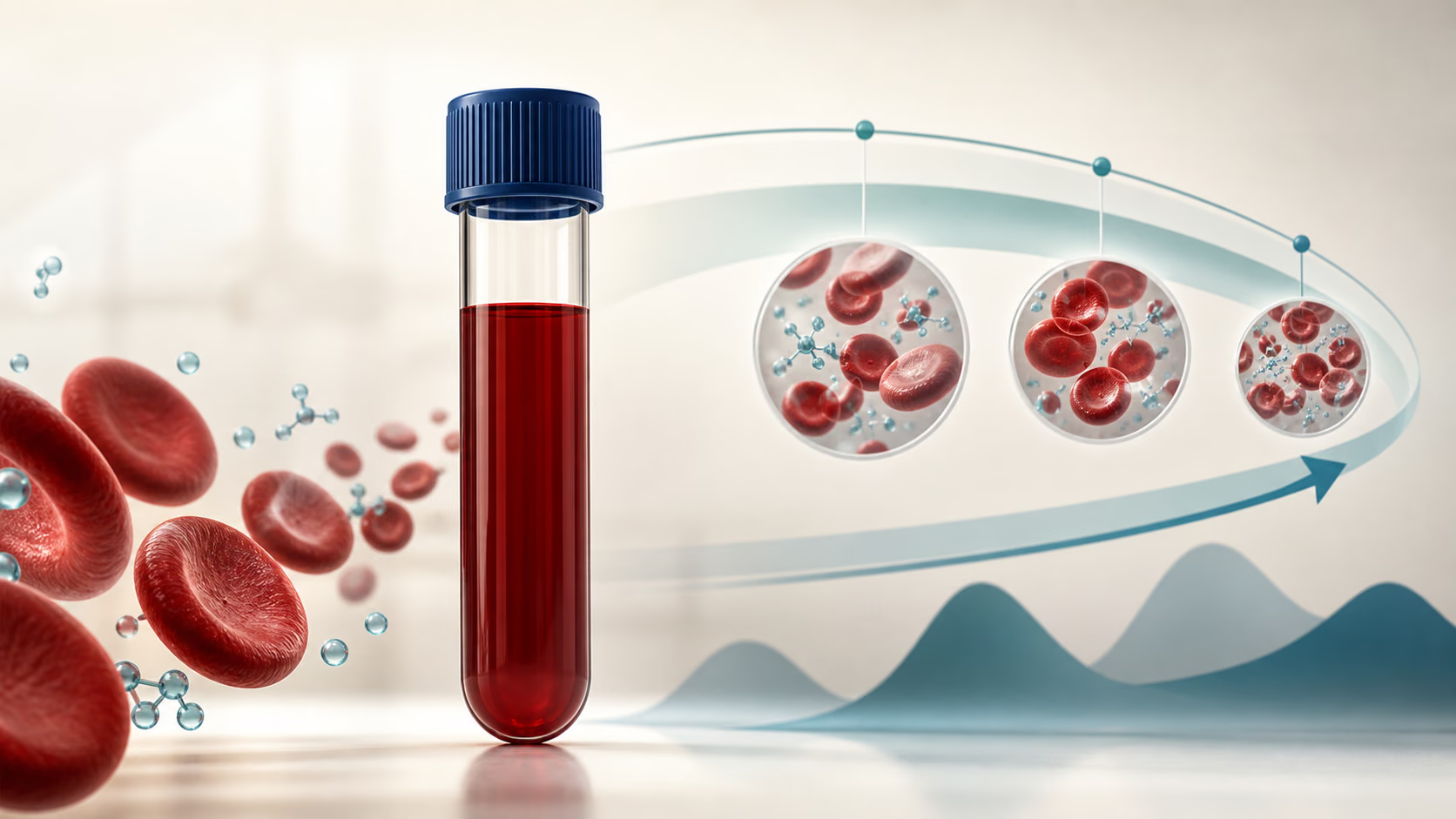
Hemoglobin is the protein in red blood cells that carries oxygen. Some of the glucose in the blood binds to hemoglobin, and the HbA1c test measures the percentage of hemoglobin with glucose attached. The higher blood glucose levels have been, the higher the HbA1c value tends to be.
Because red blood cells circulate in the body for approximately 120 days, the result provides information over a longer period than a standard blood glucose test. However, recent weeks have a greater influence on the result than earlier months. HbA1c does not separately show brief episodes of very high or very low blood glucose.
For adults who are not pregnant, the ranges used for diagnosis are: below 5.7% for values considered normal, between 5.7% and 6.4% for prediabetes, and at least 6.5% for diabetes. These thresholds must be considered alongside the clinical situation and how the test was performed.
In the absence of obvious symptoms or unequivocal hyperglycemia, a diagnosis is not made on the basis of a single abnormal value. The doctor may recommend repeating the HbA1c test or confirming the result with a fasting blood glucose test or an oral glucose tolerance test.

02
When a Medical Consultation Is Useful
A medical consultation is recommended when HbA1c is at least 5.7%, when the value has increased compared with previous test results, or when the result does not match blood glucose readings taken at home. The doctor will interpret the test together with risk factors, symptoms, family history, and other available investigations.
An evaluation is also important if symptoms such as increased thirst, frequent urination, unintentional weight loss, persistent fatigue, or blurred vision are present. These symptoms do not confirm diabetes on their own, but they warrant medical investigation.
Tell your doctor if you have anemia, kidney or liver disease, a hemoglobin variant, recent bleeding, a blood transfusion, or treatment with erythropoietin. In these situations, HbA1c may be less accurate, and diagnosis may require the use of plasma glucose values.
During pregnancy, HbA1c has specific limitations and does not replace the tests recommended for detecting gestational diabetes. The result should be discussed with the doctor overseeing the pregnancy.

03
Practical Steps and Monitoring
When only HbA1c is being tested, fasting is generally not required. If the doctor has also recommended a fasting blood glucose test, lipid profile, or other tests on the same day, follow the instructions provided for the entire set of investigations.
It is useful to bring previous test results, a list of current treatments, and, if available, blood glucose readings taken at home or continuous glucose monitoring records to the consultation. Changes over time may be more relevant than a single value considered in isolation.
For prediabetes, the monitoring schedule is determined according to the initial value and individual risk factors. For people with diabetes, HbA1c is frequently checked at least twice a year and more often when treatment changes or individual targets are not met.
The HbA1c target is not the same for everyone. It is established together with the doctor based on age, duration of diabetes, risk of hypoglycemia, associated conditions, and current treatment. Do not change your medication solely on the basis of the result without medical advice.

Final takeaway
Conclusion
HbA1c reflects average blood glucose levels over approximately the past three months, not the blood glucose level at the time the sample is collected. Talk to your doctor about your symptoms, test results, and the options suitable for your situation.
Medical information notice
This material is for informational purposes and does not replace a medical consultation, diagnosis, or personalized recommendation from a doctor.
Frequently asked questions
Do I need to fast for an HbA1c test?
Fasting is generally not required if only HbA1c is being tested. If the doctor has also recommended a fasting blood glucose test, lipid profile, or other tests, follow the instructions provided for the entire set of investigations.
Does an HbA1c value of at least 6.5% automatically mean that I have diabetes?
A value of at least 6.5% is one of the thresholds used to diagnose diabetes in adults who are not pregnant. In the absence of clear symptoms or unequivocal hyperglycemia, the result must be confirmed by repeating the test or using another test recommended by the doctor.
How often should the glycated hemoglobin test be repeated?
The frequency depends on the result, diagnosis, treatment, and individual risk factors. People with prediabetes are usually evaluated annually, while those with diabetes frequently have the test at least twice a year and more often when treatment changes or individual targets are not met.
Medical sources
- 1Diagnosis and Classification of Diabetes: Standards of Care in Diabetes—2026
American Diabetes Association – Diabetes Care
- 2The A1C Test & Diabetes
National Institute of Diabetes and Digestive and Kidney Diseases (NIDDK)
- 3A1C Test for Diabetes and Prediabetes
Centers for Disease Control and Prevention (CDC)
Continue reading