Your first consultation with a diabetologist is an important step for evaluating your health status and establishing a correct treatment or prevention plan.
Proper preparation helps you get the maximum benefits from this visit and receive personalized recommendations.
In this article we explain what you need to do before the consultation, what tests to bring, and what to expect.
Why is the first diabetology consultation important
The initial consultation serves to:
- evaluate the risk of diabetes or complications
- confirm or rule out the diagnosis
- analyze lifestyle
- establish a personalized treatment plan
👉 It is the basis of all subsequent monitoring.
What tests do you need to bring
For a correct evaluation, it is recommended to have recent tests with you (ideally within the last 3 months):
- fasting blood glucose
- glycated hemoglobin (HbA1c)
- lipid profile (total cholesterol, LDL, HDL, triglycerides)
- urea, creatinine
- uric acid
- transaminases (AST, ALT)
- urinalysis
- TSH, fT4
👉 If you don't have tests, your doctor will recommend them later.
What documents to prepare
- referral letter (if applicable)
- previous medical letters
- current prescriptions or treatments (medication name, dosage, route of administration)
- older test results
List of medications
It is very important to mention:
- all medications you are taking
- dietary supplements
- doses and frequency of administration
👉 Some treatments can affect blood glucose.
What you should know about diet before the consultation
It is not necessary to come fasting, unless explicitly recommended.
However:
- note what and how much you eat on a typical day
- be prepared to discuss your eating habits
If you monitor your blood glucose
Come to the consultation prepared with:
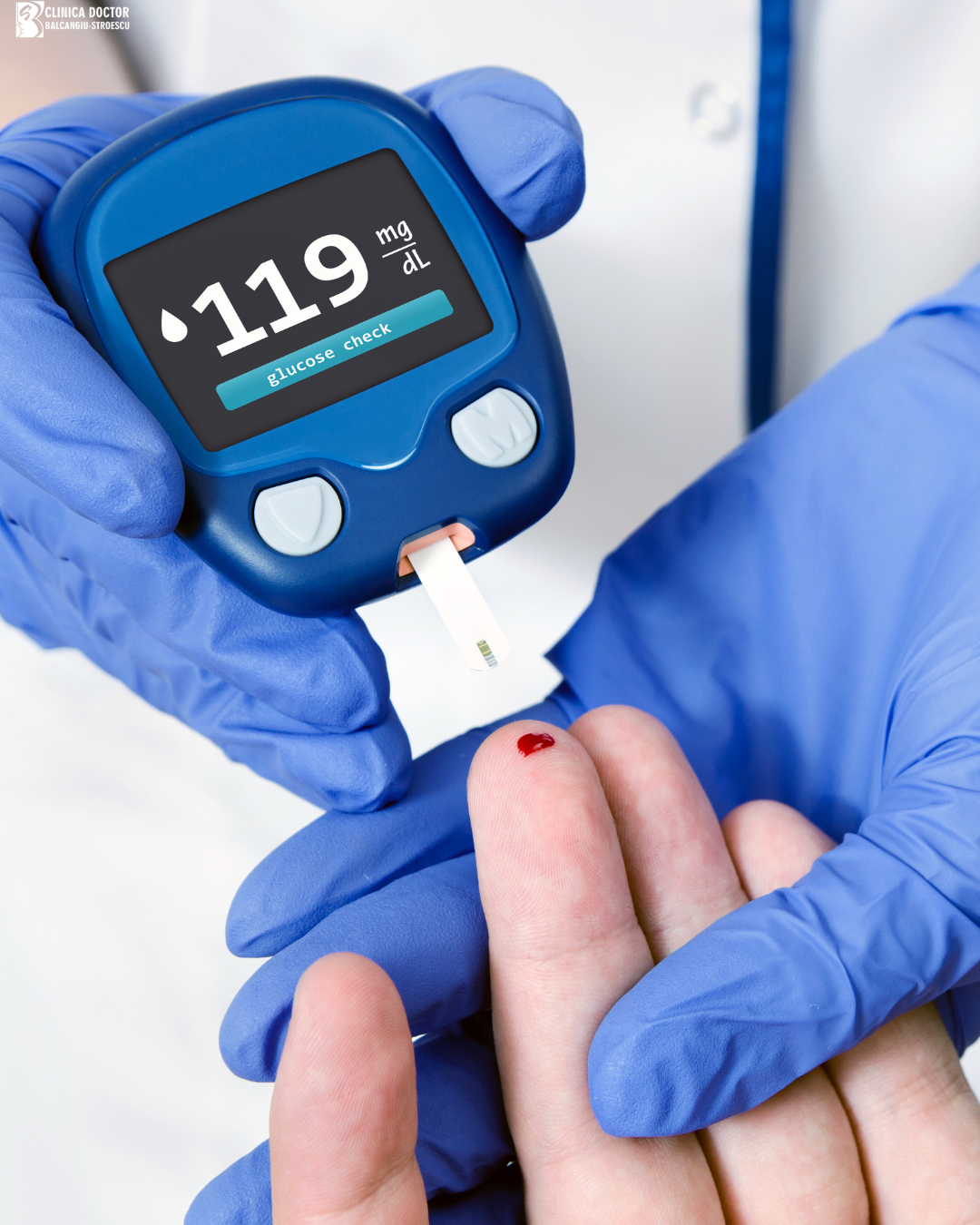
- blood glucose log
or - application / data from glucometer / sensor
👉 These are extremely useful for the doctor.
Other important information
The doctor will ask you about:
- weight and recent changes
- level of physical activity
- family history of diabetes
- symptoms (excessive thirst, frequent urination, fatigue)
👉 Be honest — it helps with correct diagnosis.
How the consultation proceeds
During the consultation:
- medical history is reviewed
- tests are interpreted
- clinical examination is performed
- lifestyle is discussed
- treatment or monitoring plan is established
What you will receive after the consultation
Depending on the situation:
- dietary recommendations
- blood glucose monitoring plan
- treatment (if necessary)
- recommendations for additional investigations
Common patient mistakes
Avoid the following:
- not bringing your tests
- forgetting the medication list
- downplaying symptoms
- not asking questions
👉 The consultation is for you — make the most of it.
❓ Frequently Asked Questions (FAQ)
Do I need to come fasting?
No, only if the doctor explicitly told you to.
How long does the consultation last?
Usually between 20 and 40 minutes.
Can I come without tests?
Yes, but complete evaluation is done after tests are performed.
Is it necessary to bring my blood glucose readings?
Yes, if you have them — they are very useful.
💡 Helpful tips
- write down your questions before the consultation
- come relaxed
- don't hide important information
- actively participate in the discussion
When you should see a diabetologist
Schedule an appointment if:
- you have elevated blood glucose: > 100 mg/dl fasting and/or >200 mg/dl at a random measurement
- you have suggestive symptoms of diabetes: excessive thirst, frequent urination, increased appetite, unexplained weight loss, severe fatigue, wounds or infections that don't heal
- you have risk factors: overweight/obesity, hypertension, dyslipidemia (elevated cholesterol), family history of diabetes, personal history of gestational diabetes
- you already have a diagnosis of diabetes
📞 Schedule your evaluation
If this is your first diabetology consultation or you need a personalized plan:
👉 Schedule a consultation and complete evaluation.