Useful information
Hair Loss in Men: Causes, Diagnosis, and Treatment Options
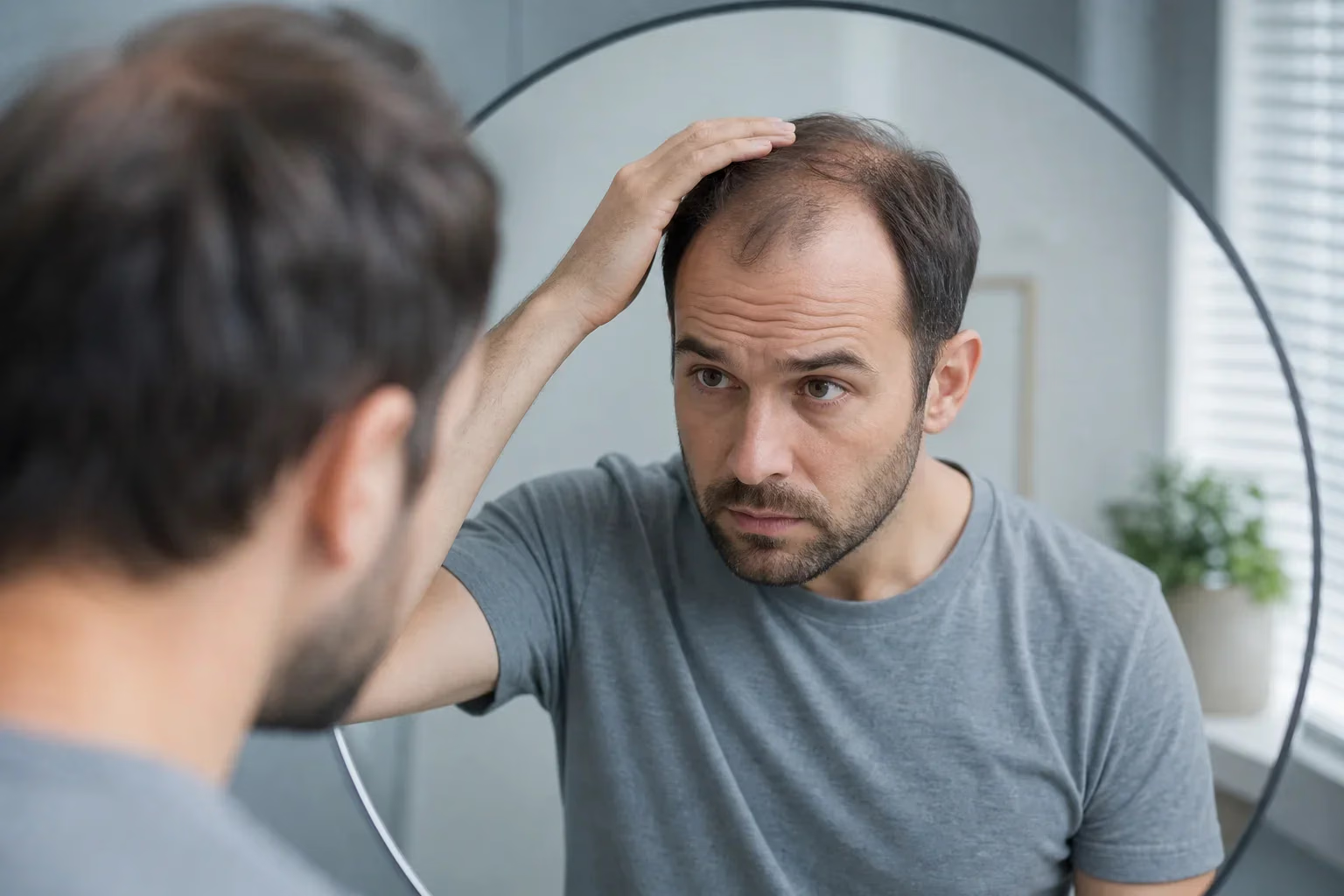
Hair loss is common in men, but not all forms of alopecia have the same cause or require the same treatment. You will learn how to recognize the main signs of androgenetic alopecia, when a dermatology consultation is recommended, and which treatment options are best supported by research.
Patient Guide
Physiological hair shedding amounts to approximately 50–100 hairs per day and is part of the normal hair follicle cycle (anagen, catagen, and telogen). When hair loss exceeds the capacity for regrowth or when the follicles progressively shrink, this is referred to as alopecia.
In men, the most common form is androgenetic alopecia (AGA), but hair loss can also have other causes, including physiological or psychological stress, nutritional deficiencies, autoimmune diseases, thyroid disorders, scalp infections, or medications. Because both the causes and treatments vary, an accurate diagnosis is the first step toward effective treatment.
Key points
- Androgenetic alopecia is the most common cause of hair loss in men and has a well-documented genetic and hormonal component.
- Treatments slow or stop the progression of the condition, but their effect is maintained only for as long as treatment continues.
- Sudden, patchy hair loss or hair loss accompanied by inflammation, itching, or scarring is not typical of AGA and requires prompt dermatological assessment.
In this article
01
How Does Androgenetic Alopecia Develop in Men?
Androgenetic alopecia develops through a progressive process of follicular miniaturization. In areas that are genetically sensitive to androgens, terminal hairs are gradually replaced by thinner, shorter hairs (vellus hairs).
The process most commonly begins in the frontotemporal region and/or at the vertex. The frontal hairline may gradually recede, while hair density on the top of the scalp decreases.
Importantly, the rate of progression varies considerably from one person to another. Androgenetic alopecia may begin as early as adolescence or young adulthood and can progress slowly over many years. A family history may increase the likelihood, but the absence of an obvious family history does not rule out the diagnosis.
The diagnosis is primarily clinical and may be supported by trichoscopy, which allows the characteristic features of miniaturization and variations in hair shaft diameter to be observed.
02
Other Causes of Hair Loss and the Differential Diagnosis
Not all hair loss is AGA. The main other conditions include:
- Telogen effluvium: sudden, diffuse hair shedding, usually occurring 2–3 months after a triggering event such as high fever, severe infection, surgery, rapid weight loss, intense stress, or certain medications. It is generally reversible within a few months after the cause is eliminated. - Alopecia areata: an autoimmune disease characterized by round or oval patches of hair loss on an apparently normal scalp. It may progress to more extensive forms. - Scarring alopecias: inflammatory diseases, such as lichen planopilaris or discoid lupus, that permanently destroy the hair follicle. Warning signs include redness, scaling, burning or pain, and the disappearance of follicular openings. Early diagnosis is essential because the hair loss is irreversible. - Infectious and mechanical causes: tinea capitis (a fungal infection), trichotillomania, and traction alopecia. - Systemic causes: thyroid dysfunction, iron deficiency, vitamin D or zinc deficiencies, secondary syphilis, and medications such as chemotherapy drugs, anticoagulants, retinoids, certain antidepressants, and anabolic steroids.
A dermatological assessment includes a medical history covering onset, progression, family history, medications, and diet; a clinical examination with a hair pull test; trichoscopy, a non-invasive examination of the scalp using dermoscopy that has high diagnostic value; and, when needed, laboratory tests such as a complete blood count, ferritin, TSH, and vitamin D, or a scalp biopsy in unclear cases.
03
Treatment Options and Realistic Expectations
Treatment should be individualized according to age, the degree of alopecia, the rate of progression, comorbidities, patient preferences, and treatment tolerability.
Topical minoxidil
Along with oral finasteride, topical minoxidil is one of the main treatments for androgenetic alopecia. Minoxidil stimulates hair growth but does not stop hair loss on its own. For men, the 5% concentration is commonly used, and studies show that it is more effective than the 2% concentration.
Caution! Minoxidil can be fatal to dogs and cats, even in very small doses. Therefore, if you have pets, extra caution is required to ensure that they do not come into contact with the substance.
Finasteride
Finasteride inhibits type II 5-alpha-reductase and reduces the conversion of testosterone into DHT. By reducing androgenic stimulation of susceptible follicles, it may slow or stop hair loss.
Oral finasteride at 1 mg/day is supported by strong evidence for male androgenetic alopecia. Despite the widespread attention given to finasteride’s adverse effects, they occur infrequently.
Combination treatment
Minoxidil and finasteride work through different mechanisms. To use the analogy of a forest fire, in which the hairs are the trees and the fire is androgenetic alopecia, finasteride puts out the flames, while minoxidil replants the burned trees.
Depending on the individual case, the dermatologist may also consider other options, such as oral dutasteride, locally applied finasteride, oral minoxidil, platelet-rich plasma therapy (PRP), microneedling, or hair transplantation. The level of evidence and indications vary among these methods, and some are used off-label or as adjunctive therapies.
Final takeaway
Conclusion
Hair loss in men most often has a genetic and hormonal cause—androgenetic alopecia—but it may also conceal conditions that require specific treatment. These can only be distinguished through a dermatological assessment. The earlier treatment begins, the more viable follicles can be preserved, so scheduling a consultation at the first signs of thinning or increased hair loss is the most useful step.
Medical information notice
This material is for informational purposes and does not replace a medical consultation, diagnosis, or personalized recommendation from a doctor.
Frequently asked questions
If my father is bald, does that mean I will lose my hair too?
Genetic predisposition plays an important role, but androgenetic alopecia is not determined by a single gene and is not inherited solely from the mother or solely from the father. A family history may increase the risk, but progression varies from person to person.
How long does it take to see treatment results?
It usually takes 3–6 months for an initial assessment and up to 12 months to see the maximum effect. Temporary shedding may occur during the first few weeks as part of the renewal of the follicular cycle.
Can I stop treatment once my hair has improved?
Not without consequences: AGA is a chronic condition, and the benefits are generally lost within a few months after treatment is discontinued. The treatment regimen should be established and adjusted together with your doctor.
Medical sources
- 1
Kanti V, Messenger A, Dobos G, et al. Evidence-based (S3) guideline for the treatment of androgenetic alopecia in women and in men: short version. J Eur Acad Dermatol Venereol. 2018;32(1):11-22.
J Eur Acad Dermatol Venereol.
- 2
Norwood OT. Male pattern baldness: classification and incidence. South Med J. 1975;68(11):1359-1365.
South Med J.
- 3
Gupta AK, Venkataraman M, Talukder M, Bamimore MA. Relative efficacy of minoxidil and the 5-α reductase inhibitors in male androgenetic alopecia treatment. JAMA Dermatol. 2022;158(3):266-274.
JAMA Dermatol.
Continue reading
Related medical articles
Cellulite: Why Does It Occur and Which Treatments Can Improve the Appearance of the Skin?
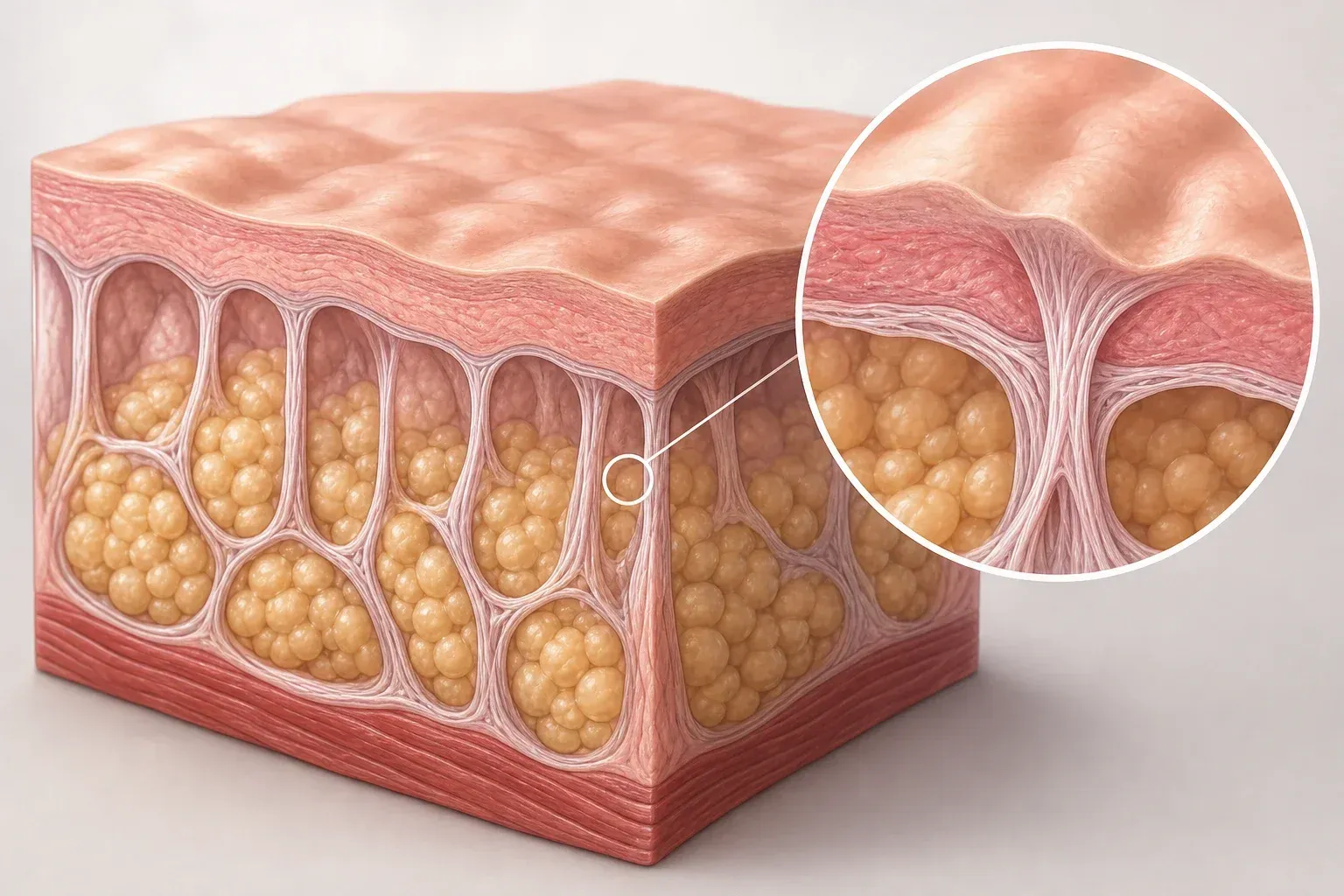
Today, we will discuss: • Why cellulite occurs and why it may be present even in people who are slim or physically active. • Which treatment options are available, from radiofrequency and acoustic wave therapy to procedures that release the fibrous septa. • What results can realistically be achieved and how to choose the right treatment for you.

Protein After 40: How Much Is Enough?
After the age of 40, the body does not suddenly lose its ability to preserve muscle mass, but it becomes increasingly important to provide it with two essential elements: the stimulus provided by strength training and the protein needed for recovery and adaptation. In this article, you will learn how much protein we need, how we can distribute it throughout the day, and why maintaining muscle strength is essential for metabolism, mobility, and long-term independence.
Metabolic fatty liver disease (MASLD): the silent disease that goes hand in hand with insulin resistance
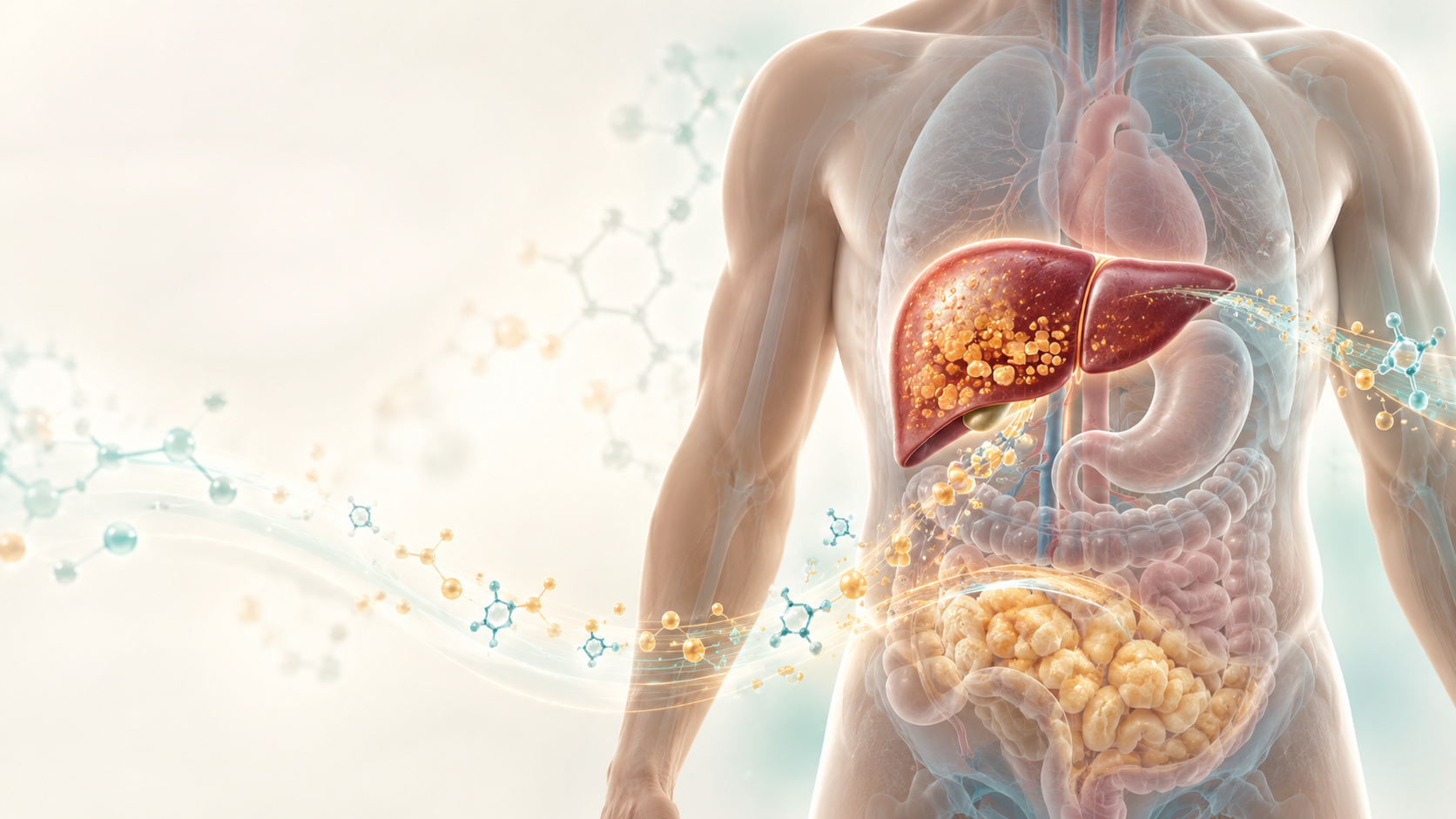
Metabolic fatty liver disease, now known as MASLD (metabolic dysfunction-associated steatotic liver disease), occurs when fat accumulates in the liver in association with one or more cardiometabolic risk factors. Below, we explain its connection with insulin resistance, why it may be present even when transaminase levels (AST/TGO, ALT/TGP) are normal, how the risk of fibrosis is assessed, and what measures may prevent the disease from progressing.