
Useful information
Metabolic fatty liver disease (MASLD): the silent disease that goes hand in hand with insulin resistance
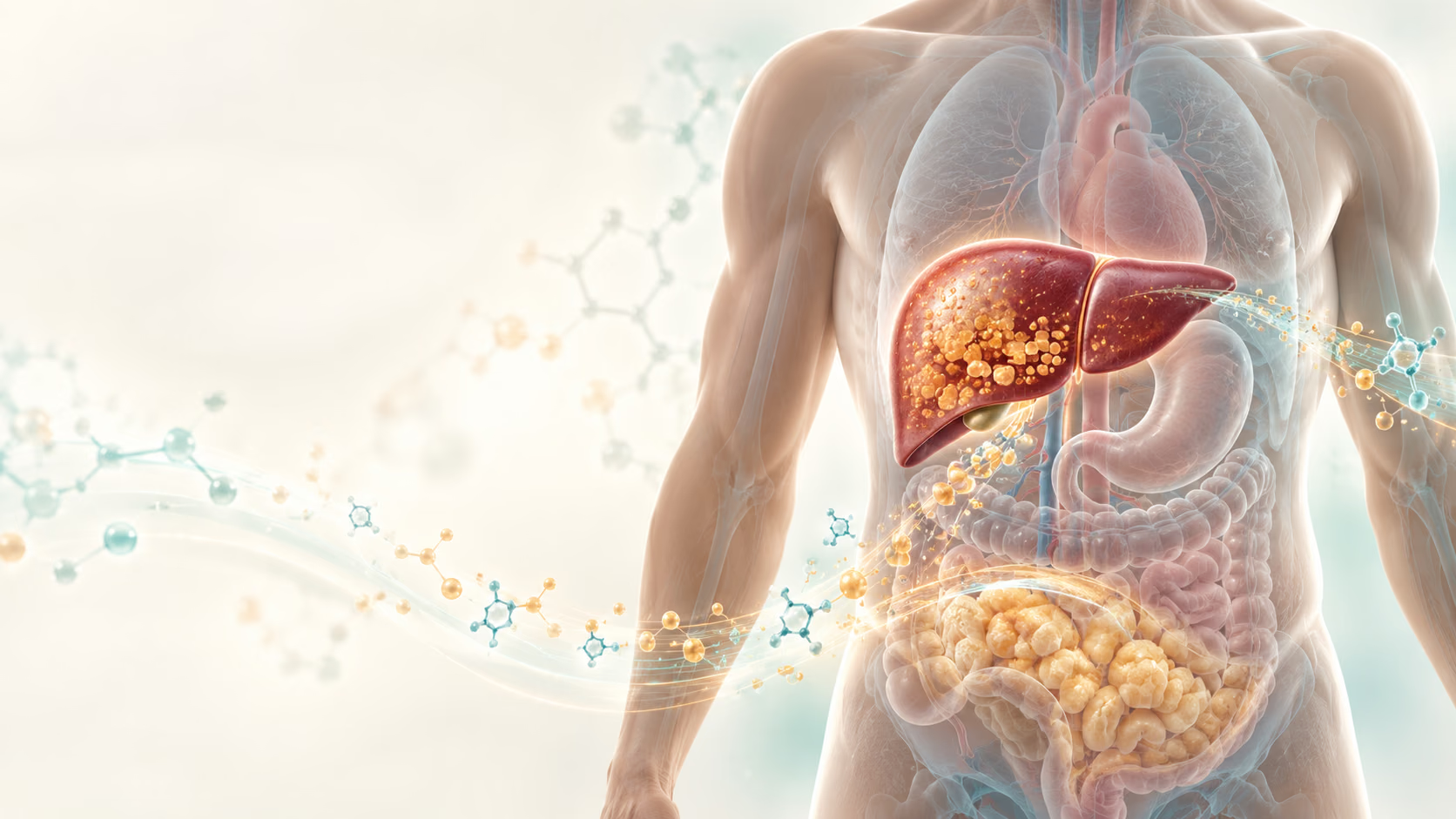
Metabolic fatty liver disease, now known as MASLD (metabolic dysfunction-associated steatotic liver disease), occurs when fat accumulates in the liver in association with one or more cardiometabolic risk factors. Below, we explain its connection with insulin resistance, why it may be present even when transaminase levels (AST/TGO, ALT/TGP) are normal, how the risk of fibrosis is assessed, and what measures may prevent the disease from progressing.
Patient guide
Fat can accumulate in the liver for a long time without any warning signs. There may be no pain, no specific symptoms and, sometimes, not even any clear changes in liver blood tests. This is precisely why metabolic fatty liver disease is often discovered incidentally during an abdominal ultrasound or investigations performed for another reason.
For many years, this condition was known as “non-alcoholic fatty liver disease,” or NAFLD. The term now used is MASLD—metabolic dysfunction-associated steatotic liver disease. The new name emphasises the central mechanism of the disease: its connection with abdominal obesity, insulin resistance, prediabetes or type 2 diabetes, high blood pressure and dyslipidaemia.
For most people, the accumulation of fat in the liver alone does not cause immediate complications. In some patients, however, it may be associated with inflammation and damage to liver cells, and fibrosis—the formation of scar tissue—may develop over time. Identifying people at risk of fibrosis is, in fact, one of the most important stages of assessment.
Key points
- MASLD is a manifestation of metabolic dysfunction, not merely an isolated liver problem. It is closely linked to insulin resistance, type 2 diabetes, abdominal obesity, high blood pressure and dyslipidaemia.
- Normal transaminase levels do not rule out the disease or advanced fibrosis. Risk assessment should not stop at AST/TGO and ALT/TGP.
- Fibrosis has the greatest influence on liver-related prognosis. Therefore, after steatosis has been identified, the next question is not only “how much fat is present?” but, more importantly, “is fibrosis present, and how advanced is it?”
In this article
01
What is MASLD and why does it occur?
MASLD is the accumulation of fat in the liver associated with at least one cardiometabolic risk factor, such as abdominal obesity, prediabetes or type 2 diabetes, high blood pressure, elevated triglycerides or low HDL cholesterol. The condition can also occur in people with a normal BMI, particularly if they have excess visceral fat or a genetic predisposition.
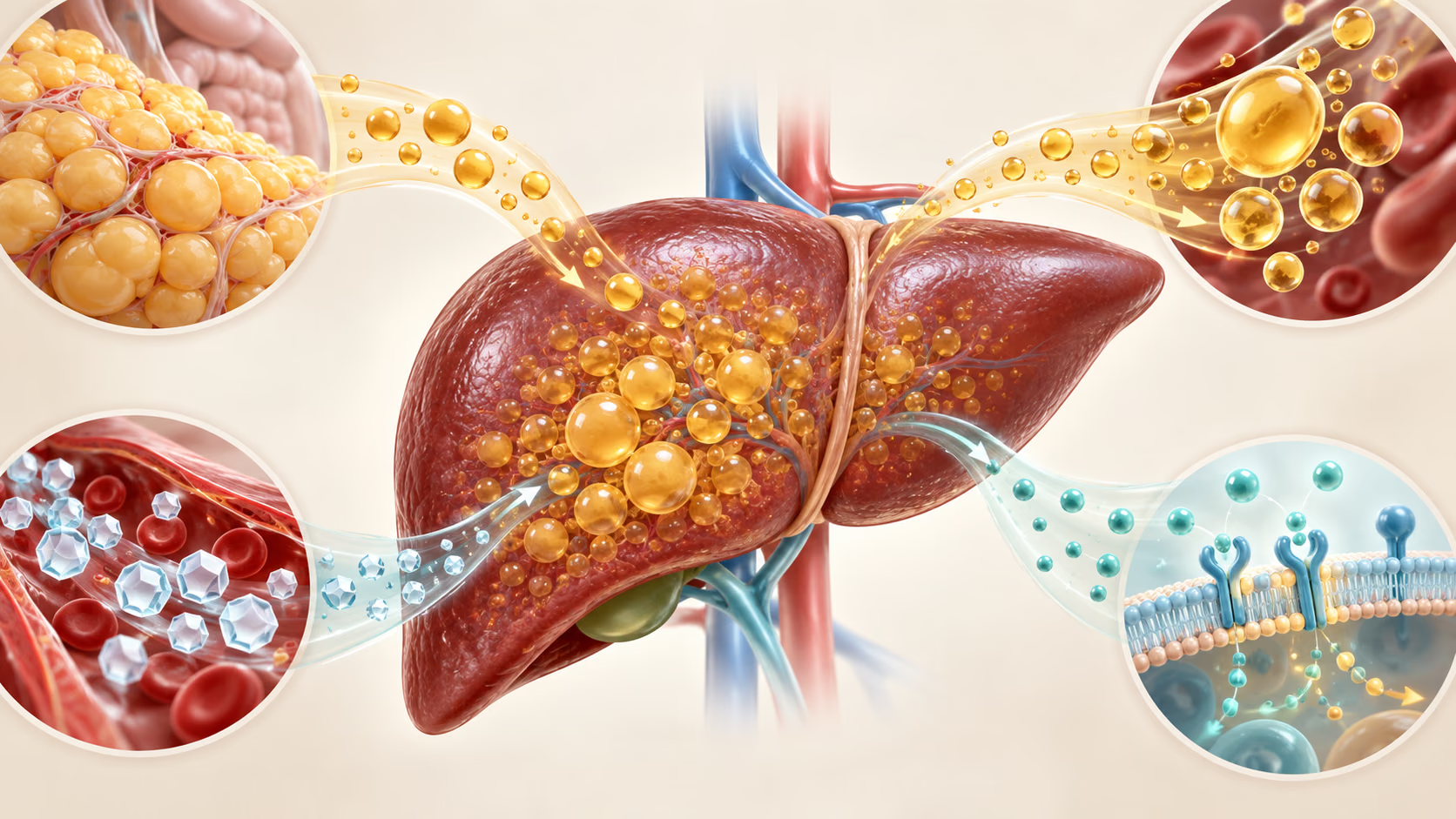
Insulin resistance plays a central role. When tissues no longer respond effectively to insulin, more fatty acids enter the bloodstream, and the liver produces and stores more fat. In turn, fatty liver can worsen insulin resistance, blood glucose levels and the lipid profile, creating a self-perpetuating metabolic vicious cycle.
In most people, the disease remains at the steatosis stage for a long time. In some patients, however, liver inflammation—known as MASH (metabolic dysfunction-associated steatohepatitis)—may develop, followed by fibrosis and, in advanced cases, cirrhosis. It is not the amount of fat but the degree of fibrosis that is the most important predictor of liver-related complications.
02
How is MASLD diagnosed and how do we assess fibrosis?
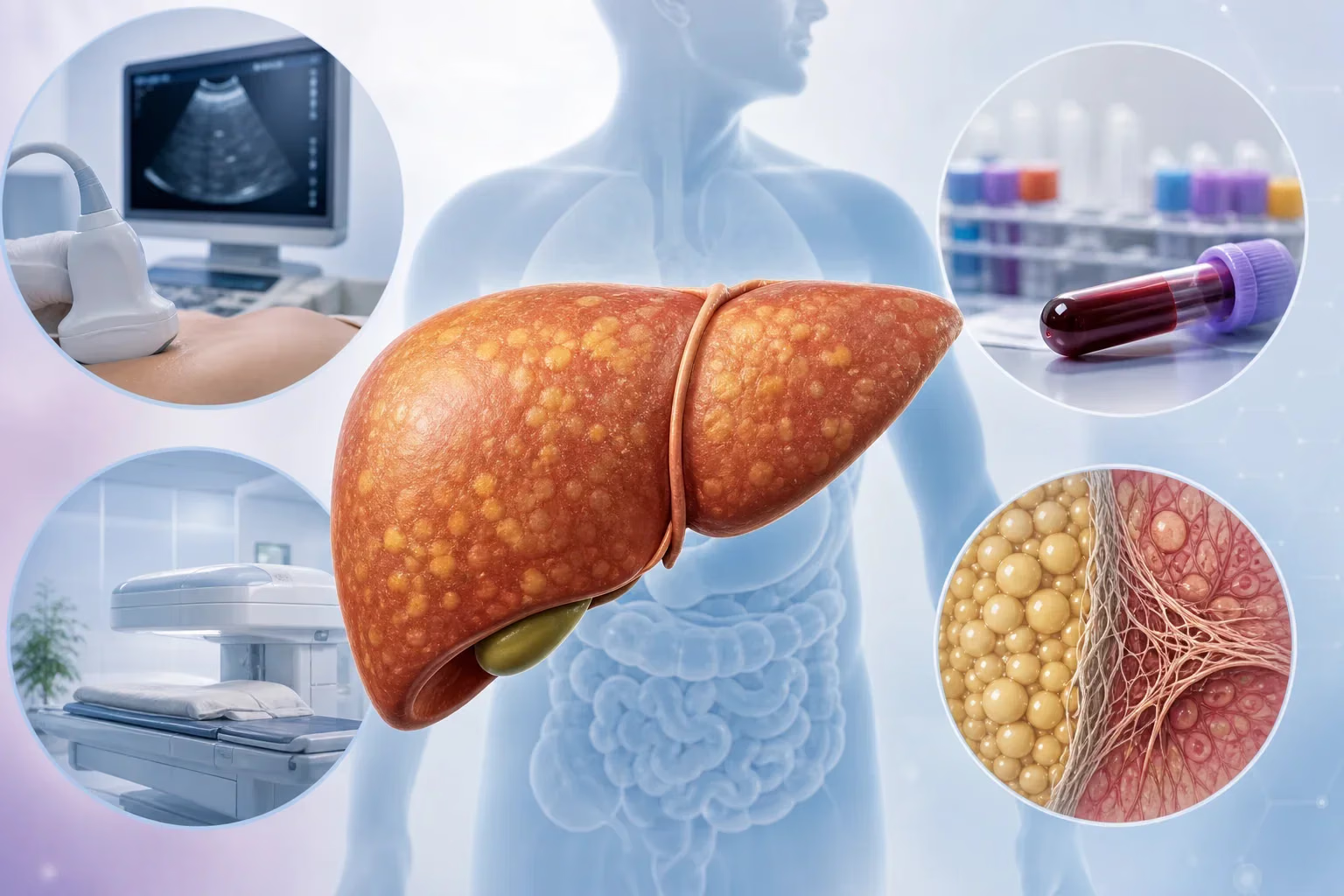
MASLD is often discovered incidentally because it can progress without obvious symptoms. An abdominal ultrasound can identify steatosis, but it may miss mild forms and does not determine the degree of fibrosis with sufficient accuracy. Normal transaminase levels do not rule out the disease or advanced fibrosis either.
The initial assessment may include AST/TGO, ALT/TGP, GGT, a full blood count including platelet count, blood glucose, glycated haemoglobin and a lipid profile. Depending on the circumstances, the doctor may also recommend tests to rule out other causes of liver damage.
A first step in estimating the risk of fibrosis is the FIB-4 score, calculated using age, AST/TGO, ALT/TGP and platelet count. In general, a value below 1.3 indicates a low risk of advanced fibrosis, while a higher value requires medical interpretation and often further investigation. Thresholds vary according to age, and the score should not be interpreted in isolation.
When risk cannot be ruled out through blood tests, liver elastography, such as FibroScan, may be recommended to estimate liver stiffness. A liver biopsy is not routinely necessary and is reserved for situations in which the diagnosis remains unclear or the result would alter treatment.
03
How can metabolic fatty liver disease be treated?
Treatment aims both to reduce liver damage and to improve metabolic health. For people who are overweight or have obesity, sustained weight loss of at least 5% of their initial body weight may reduce liver fat, 7–10% may improve inflammation, and a reduction of at least 10% offers the greatest chance of improving fibrosis.
There is no single “fatty liver diet,” and detox regimens do not eliminate liver fat. A sustainable eating pattern rich in vegetables, fruit, pulses, whole grains, fish and unsaturated fats is recommended, while limiting sweetened drinks, excess calorie intake and the frequent consumption of ultra-processed foods.
Physical activity can reduce liver fat and improve insulin sensitivity even without substantial weight loss. In general, at least 150 minutes of moderate aerobic activity per week is recommended, together with two to three strength-training sessions and less time spent sitting.
Controlling diabetes, blood pressure, cholesterol, weight and sleep apnoea is equally important. Treatment is individualised, and alcohol consumption should be discussed with the doctor because it may further contribute to the progression of liver damage.

Final takeaway
Conclusion
MASLD is a manifestation of metabolic dysfunction, not merely an isolated liver problem. It is closely linked to insulin resistance, type 2 diabetes, abdominal obesity, high blood pressure and dyslipidaemia. Talk to your doctor about your symptoms, test results and the options appropriate for your situation.
Medical information notice
This material is for informational purposes and does not replace a medical consultation, diagnosis or personalised recommendation from a doctor.
Frequently asked questions
Can I have fatty liver disease if my transaminase levels are normal?
Yes. AST/TGO and ALT/TGP may be normal even when steatosis or liver fibrosis is present. If you have type 2 diabetes, abdominal obesity, dyslipidaemia or steatosis identified by ultrasound, your doctor may recommend calculating your FIB-4 score and, if necessary, elastography.
Is metabolic fatty liver disease reversible?
In the early stages, accumulated fat and inflammation can be reduced significantly through weight loss, a balanced diet, physical activity and control of metabolic risk factors. Even fibrosis may improve in some cases, but advanced forms require specialist monitoring and treatment.
Which test or investigation results should I bring to my appointment?
If you already have them, recent results for tests such as AST/TGO, ALT/TGP, GGT, a full blood count including platelet count, blood glucose, glycated haemoglobin and a lipid profile are useful, as is the result of an abdominal ultrasound. The doctor will decide whether a FIB-4 calculation, elastography or further investigations are needed. You do not need to postpone your appointment if you do not have all of these tests.
Medical sources
- 1
- 2
- 3Consensus Report: MASLD in People With Diabetes, 2025
American Diabetes Association
- 4
- 5Standards of Care in Diabetes, 2026
American Diabetes Association
Continue reading
Related medical articles
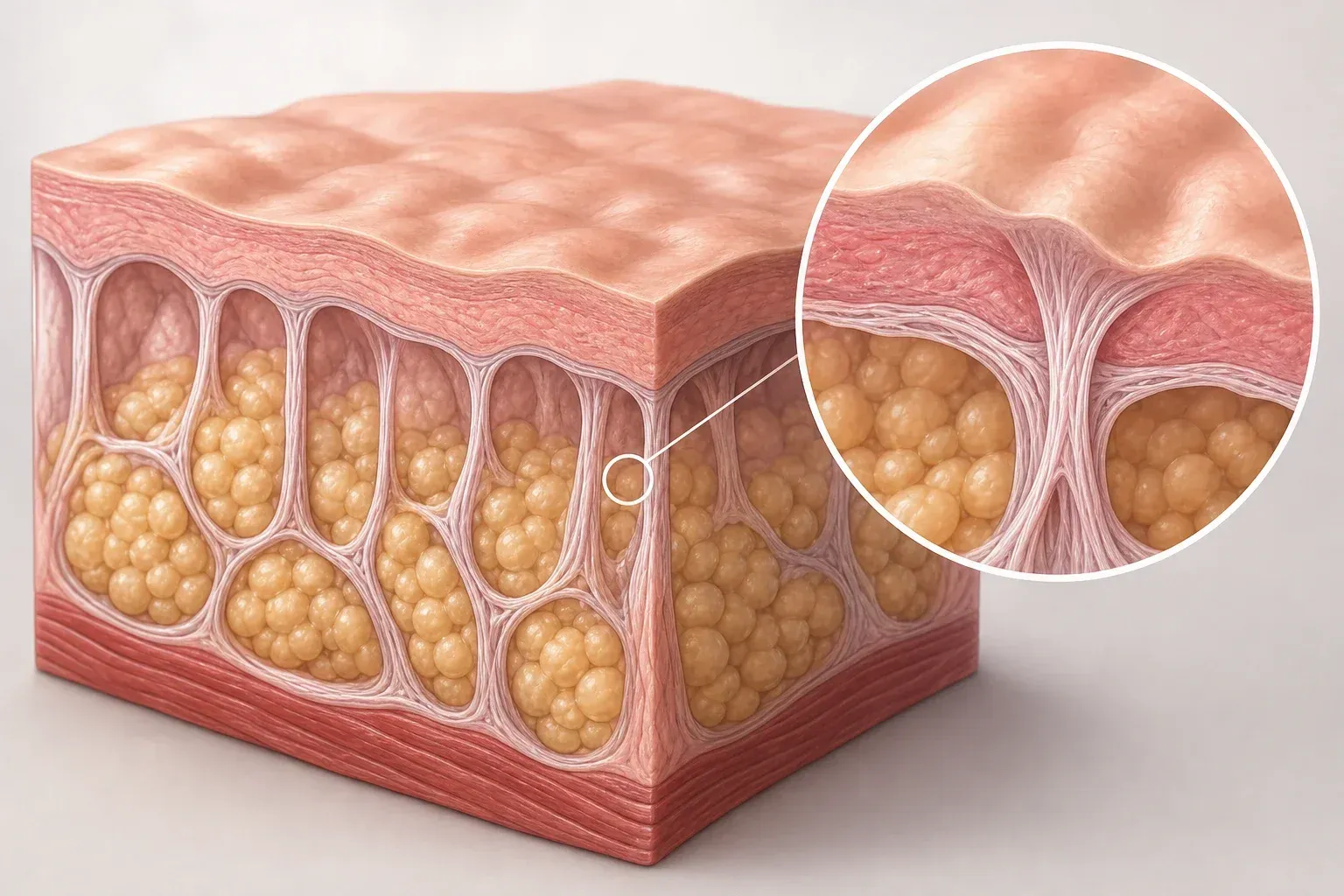
Cellulite: Why Does It Occur and Which Treatments Can Improve the Appearance of the Skin?
Today, we will discuss: • Why cellulite occurs and why it may be present even in people who are slim or physically active. • Which treatment options are available, from radiofrequency and acoustic wave therapy to procedures that release the fibrous septa. • What results can realistically be achieved and how to choose the right treatment for you.

Protein After 40: How Much Is Enough?
After the age of 40, the body does not suddenly lose its ability to preserve muscle mass, but it becomes increasingly important to provide it with two essential elements: the stimulus provided by strength training and the protein needed for recovery and adaptation. In this article, you will learn how much protein we need, how we can distribute it throughout the day, and why maintaining muscle strength is essential for metabolism, mobility, and long-term independence.

Hair Loss in Men: Causes, Diagnosis, and Treatment Options
Hair loss is common in men, but not all forms of alopecia have the same cause or require the same treatment. You will learn how to recognize the main signs of androgenetic alopecia, when a dermatology consultation is recommended, and which treatment options are best supported by research.