Useful information
Protein After 40: How Much Is Enough?
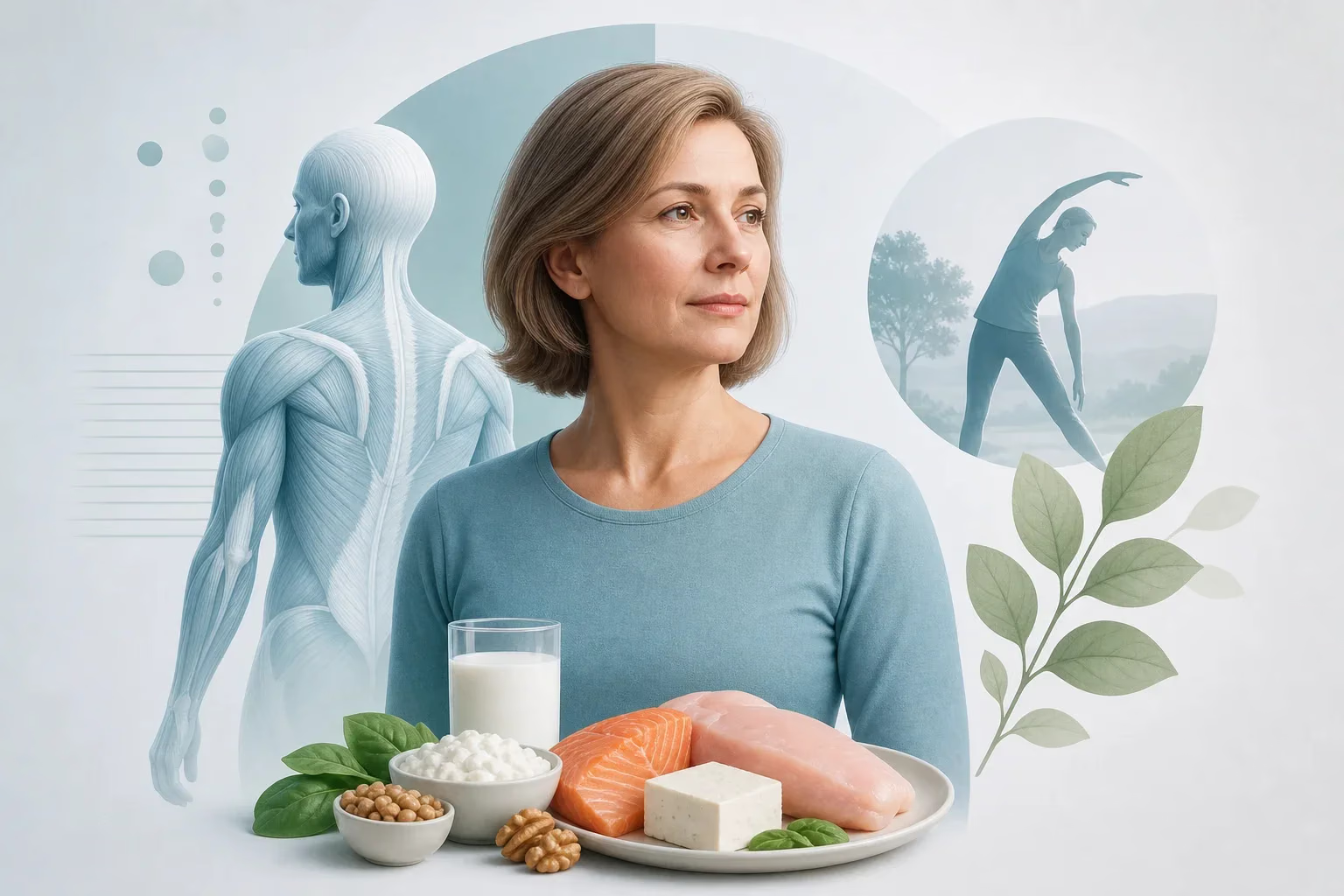
After the age of 40, the body does not suddenly lose its ability to preserve muscle mass, but it becomes increasingly important to provide it with two essential elements: the stimulus provided by strength training and the protein needed for recovery and adaptation. In this article, you will learn how much protein we need, how we can distribute it throughout the day, and why maintaining muscle strength is essential for metabolism, mobility, and long-term independence.
Patient Guide
Protein has become a ubiquitous topic: high-protein yogurts, bars, shakes, and recommendations that sometimes suggest amounts that are difficult to justify. Behind the trend, however, lies an important medical reality: as we age, preserving muscle mass and strength becomes increasingly relevant to health.
The age of 40 is not a biological threshold after which muscle mass suddenly disappears. Rather, it is a suitable time to focus on prevention. Inactivity, highly restrictive diets, insufficient protein intake, and periods of illness can accelerate muscle loss, while adequate nutrition and strength training help maintain function.
The goal is not to consume as much protein as possible, but to have an intake suited to individual needs and to combine it with movement that stimulates the muscles.
Key points
- Muscle mass is about more than physical appearance: it supports mobility, balance, metabolic health, and independence as we age.
- Protein requirements are not the same for everyone. Age, weight, activity level, nutritional status, and associated medical conditions must be taken into account.
- Protein cannot replace training. To protect muscle mass, the combination of an adequate protein intake and strength training is more important than either one alone.
In this article
01
Muscle Mass: A Reserve for Future Health
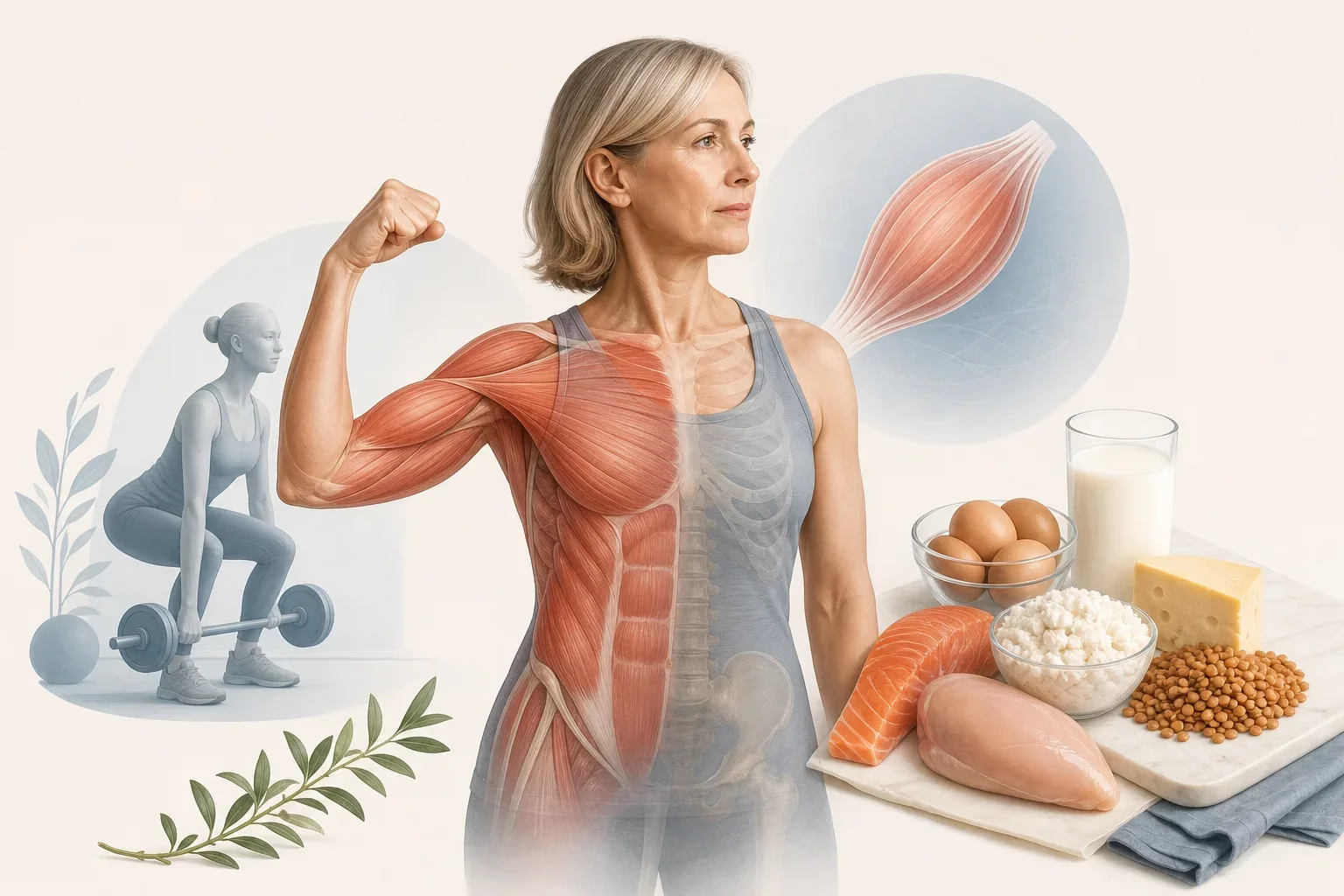
Muscle is metabolically active tissue involved in glucose utilization and the regulation of energy expenditure. Functional muscle mass contributes to better metabolic control, as well as to the activities that define independence: walking, climbing stairs, getting up from a chair, or carrying groceries.
As we age, muscle mass may gradually decline, especially in the presence of a sedentary lifestyle, insufficient food intake, or chronic illness. Importantly, we lose not only muscle mass but also strength. The European consensus on sarcopenia considers reduced muscle strength a more relevant sign than a reduction in muscle mass alone.
For this reason, muscle can be regarded as a functional reserve. The more strength we have as we enter the decades ahead, together with habits that support it, the more resources we have to get through periods of illness, immobilization, or weight loss without a significant loss of independence.
02
How Much Protein Is Enough After 40?
For healthy adults, the reference value commonly used is approximately 0.8–0.83 g of protein/kg body weight/day. This is a population-level reference, not necessarily the optimal intake for every person. Requirements may vary according to age, physical activity, muscle mass, energy intake, goals, and health status.
There is no recommendation stating that everyone should automatically increase their protein intake immediately after the age of 40. For older adults, however, the ESPEN guideline recommends at least 1 g/kg/day, adjusted individually, while values of 1.0–1.2 g/kg/day are frequently proposed for healthy older people.
For a person weighing 70 kg, 0.8 g/kg means approximately 56 g of protein per day, while 1.0–1.2 g/kg means 70–84 g. In people with obesity, the absolute requirement may be higher, but it does not increase proportionally with every additional kilogram because adipose tissue has lower protein requirements than muscle mass. Depending on the context, the calculation may be based on a reference weight or an adjusted weight.
More does not always mean better. A very high intake does not automatically produce more muscle mass, and recommendations may differ in chronic kidney disease. KDIGO recommends avoiding intakes above 1.3 g/kg/day in adults with chronic kidney disease who are at risk of progression.
03
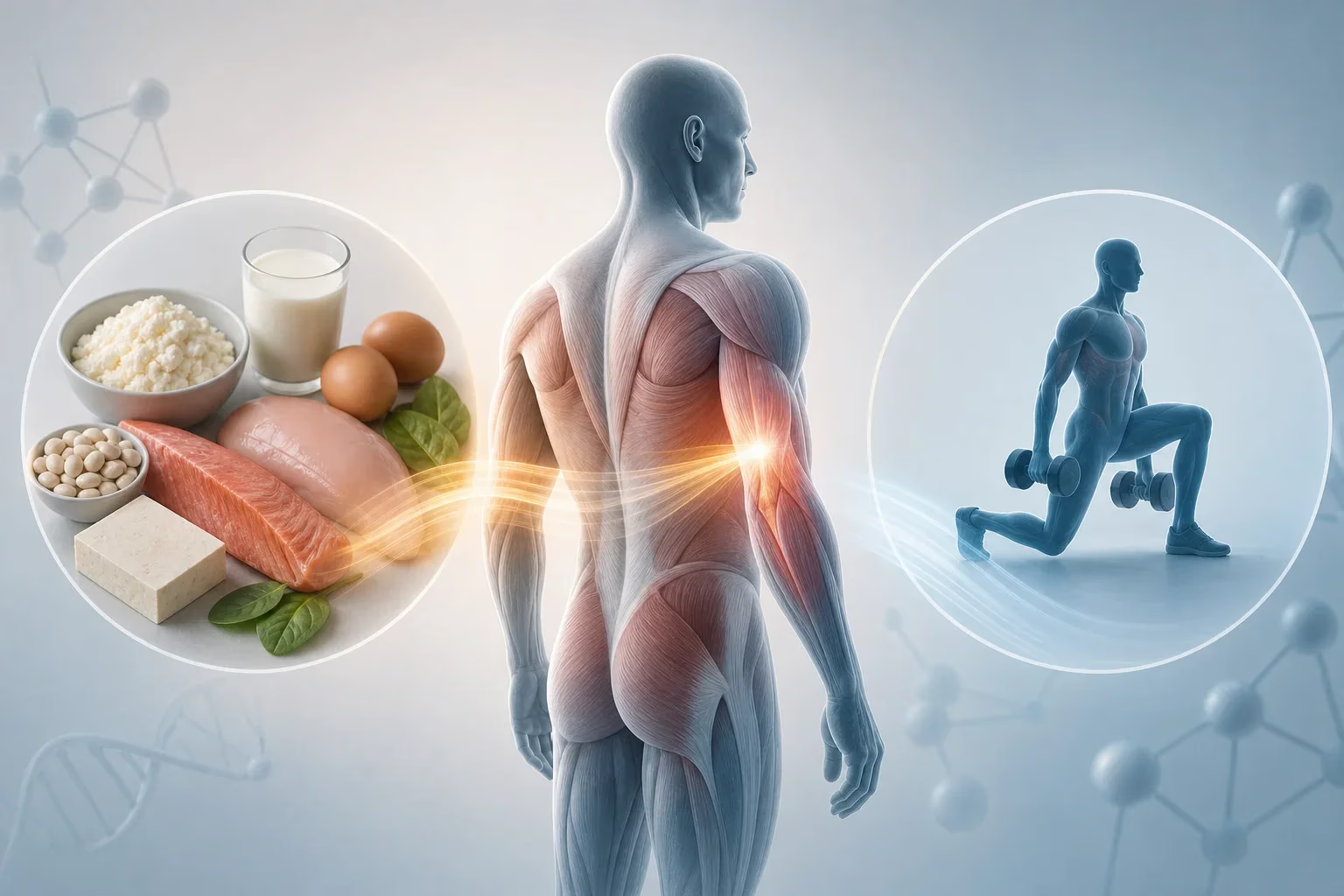
Protein Provides the Raw Material. Movement Provides the Stimulus.
The daily total is important, but how protein is incorporated into the diet also matters. Breakfast usually contains little protein, while most protein is consumed in the evening. A more balanced distribution across the main meals can make it easier to meet requirements and provide the muscles with more opportunities to respond to amino acid intake.
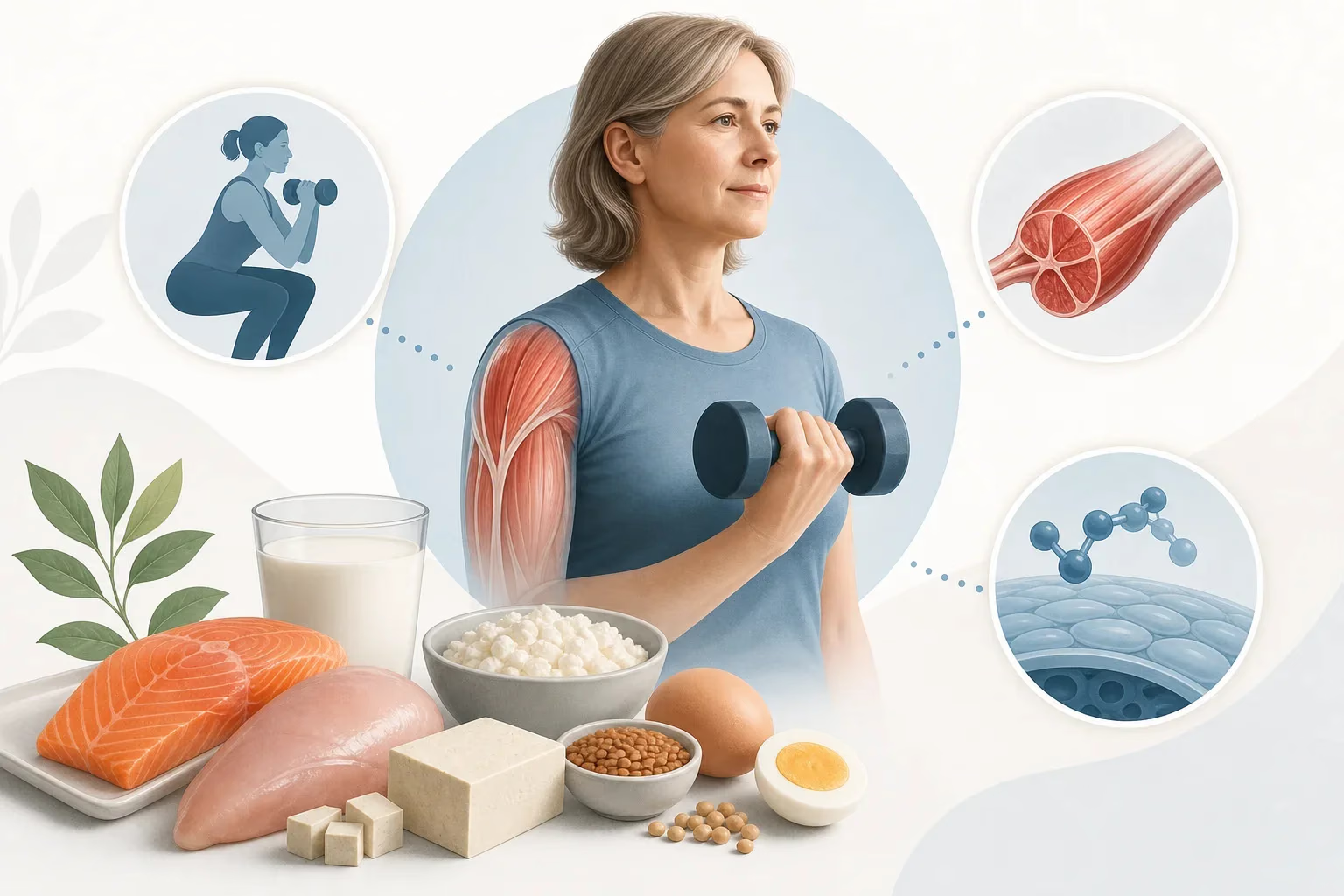
For many people, a practical reference may be to include approximately 25–30 g of protein in a main meal, without weighing every plate precisely. Such a meal may include fish, lean meat, eggs, and dairy products, or combinations of tofu, soy, legumes, and grains. Plant sources can meet protein requirements if the diet is sufficiently varied.
Protein powders and high-protein products are not essential. They may be useful when appetite is reduced, when a person’s schedule does not allow for a complete meal, or when requirements are difficult to meet through food alone. For most people, however, a well-structured, regular diet is sufficient.
Protein cannot replace exercise. Strength training signals the body to preserve and build muscle, while nutrition provides the necessary materials. The World Health Organization recommends activities that strengthen the major muscle groups on at least two days per week. Ultimately, combining movement with an adequate protein intake is more important than focusing on a specific number of grams in isolation.
Final takeaway
Conclusion
After the age of 40, protein does not become a miracle solution, and age does not automatically call for a high-protein diet. However, it becomes increasingly important to make sure that intake is sufficient, that we do not concentrate all our protein in a single meal, and that the muscles regularly receive a stimulus through strength training.
The real investment in longevity does not lie in a bar or a shake, but in preserving our ability to move, stand up, maintain our balance, and remain independent. Protein provides the raw material. Movement tells the body how to use it.
Medical information notice
This material is for informational purposes and does not replace a medical consultation, diagnosis, or personalized recommendation from a doctor.
Frequently asked questions
Do I Have to Use Protein Powder After 40?
No. Most people can meet their requirements through food. Protein powder may be a practical option when appetite is reduced, when schedules are busy, or when requirements cannot be met easily, but it is not automatically superior to a balanced diet.
Can I Maintain Muscle Mass Simply by Eating More Protein?
No. Without an adequate muscular stimulus, simply increasing protein intake has a limited effect. Strength training, sufficient energy intake, sleep, and consistency are essential components.
Does a Higher Protein Intake Affect the Kidneys?
In a healthy person, a moderate intake tailored to individual needs is not the same as an extremely high-protein diet. If kidney disease, albuminuria, diabetes with kidney involvement, or a reduced glomerular filtration rate is present, intake should be determined together with a doctor and dietitian.
Medical sources
- 1Protein Intake and Exercise for Optimal Muscle Function with Aging
ESPEN Expert Group
- 2Clinical Nutrition and Hydration in Geriatrics, 2022
ESPEN Practical Guideline
- 3
- 4
Continue reading
Related medical articles
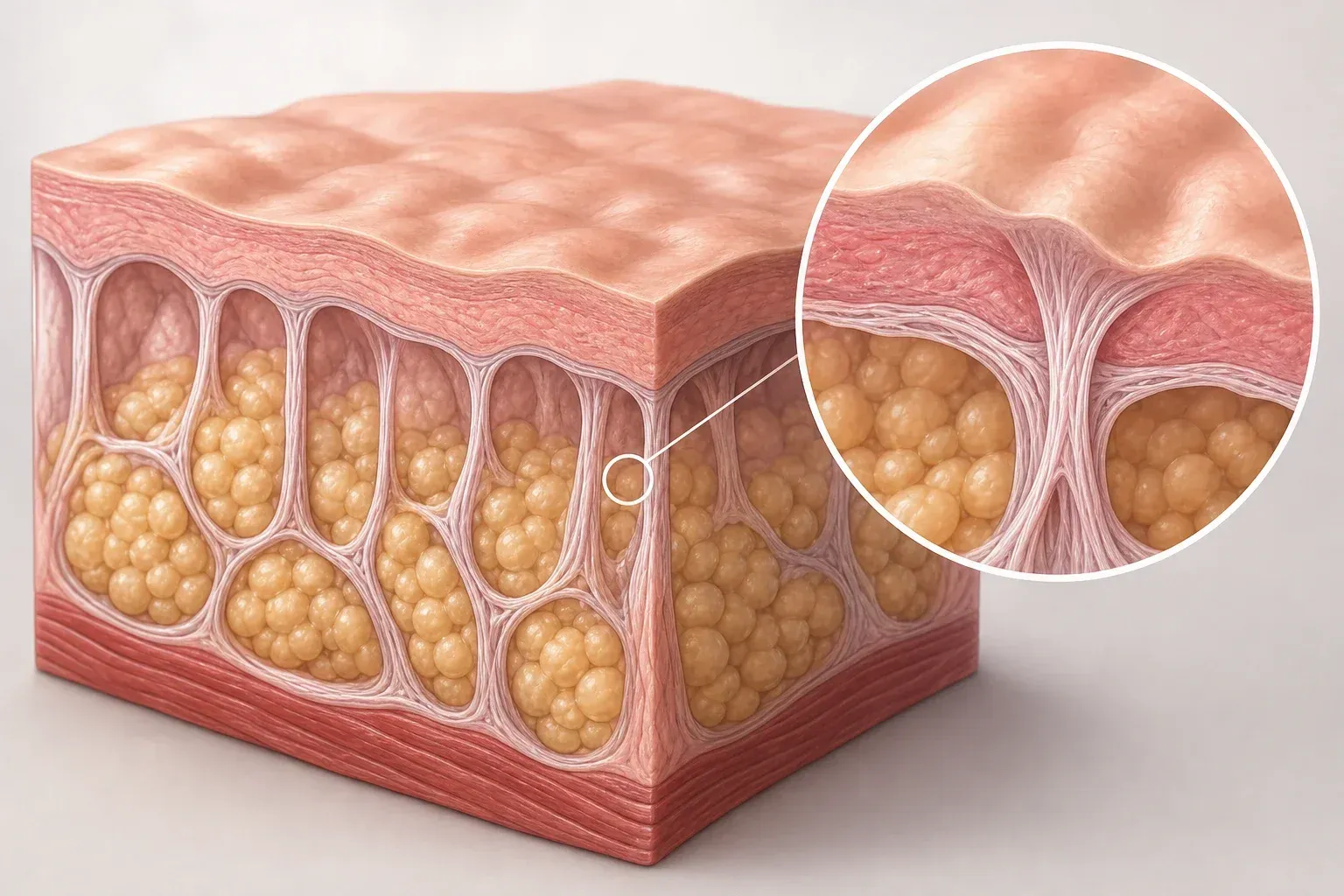
Cellulite: Why Does It Occur and Which Treatments Can Improve the Appearance of the Skin?
Today, we will discuss: • Why cellulite occurs and why it may be present even in people who are slim or physically active. • Which treatment options are available, from radiofrequency and acoustic wave therapy to procedures that release the fibrous septa. • What results can realistically be achieved and how to choose the right treatment for you.

Hair Loss in Men: Causes, Diagnosis, and Treatment Options
Hair loss is common in men, but not all forms of alopecia have the same cause or require the same treatment. You will learn how to recognize the main signs of androgenetic alopecia, when a dermatology consultation is recommended, and which treatment options are best supported by research.
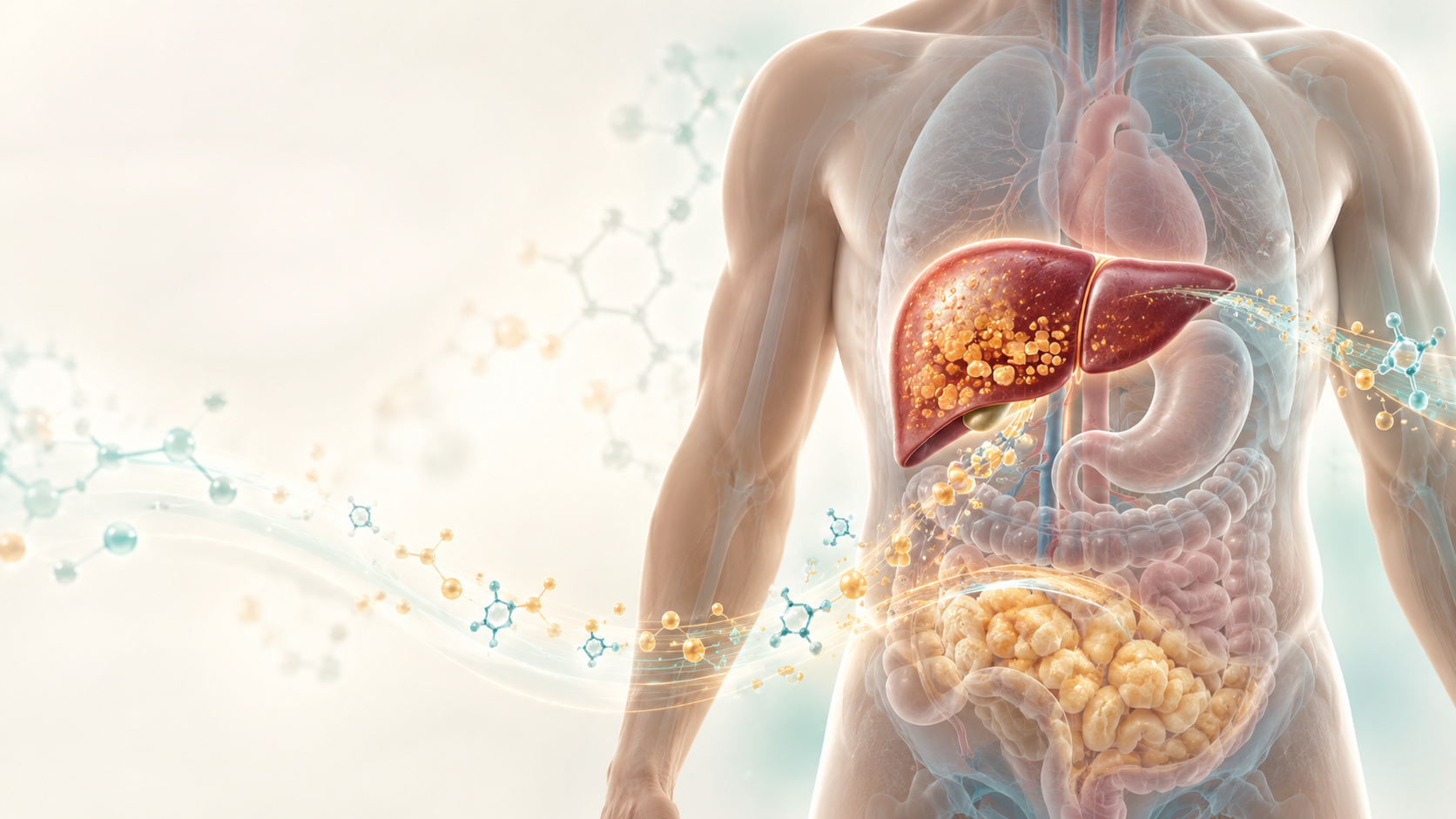
Metabolic fatty liver disease (MASLD): the silent disease that goes hand in hand with insulin resistance
Metabolic fatty liver disease, now known as MASLD (metabolic dysfunction-associated steatotic liver disease), occurs when fat accumulates in the liver in association with one or more cardiometabolic risk factors. Below, we explain its connection with insulin resistance, why it may be present even when transaminase levels (AST/TGO, ALT/TGP) are normal, how the risk of fibrosis is assessed, and what measures may prevent the disease from progressing.