
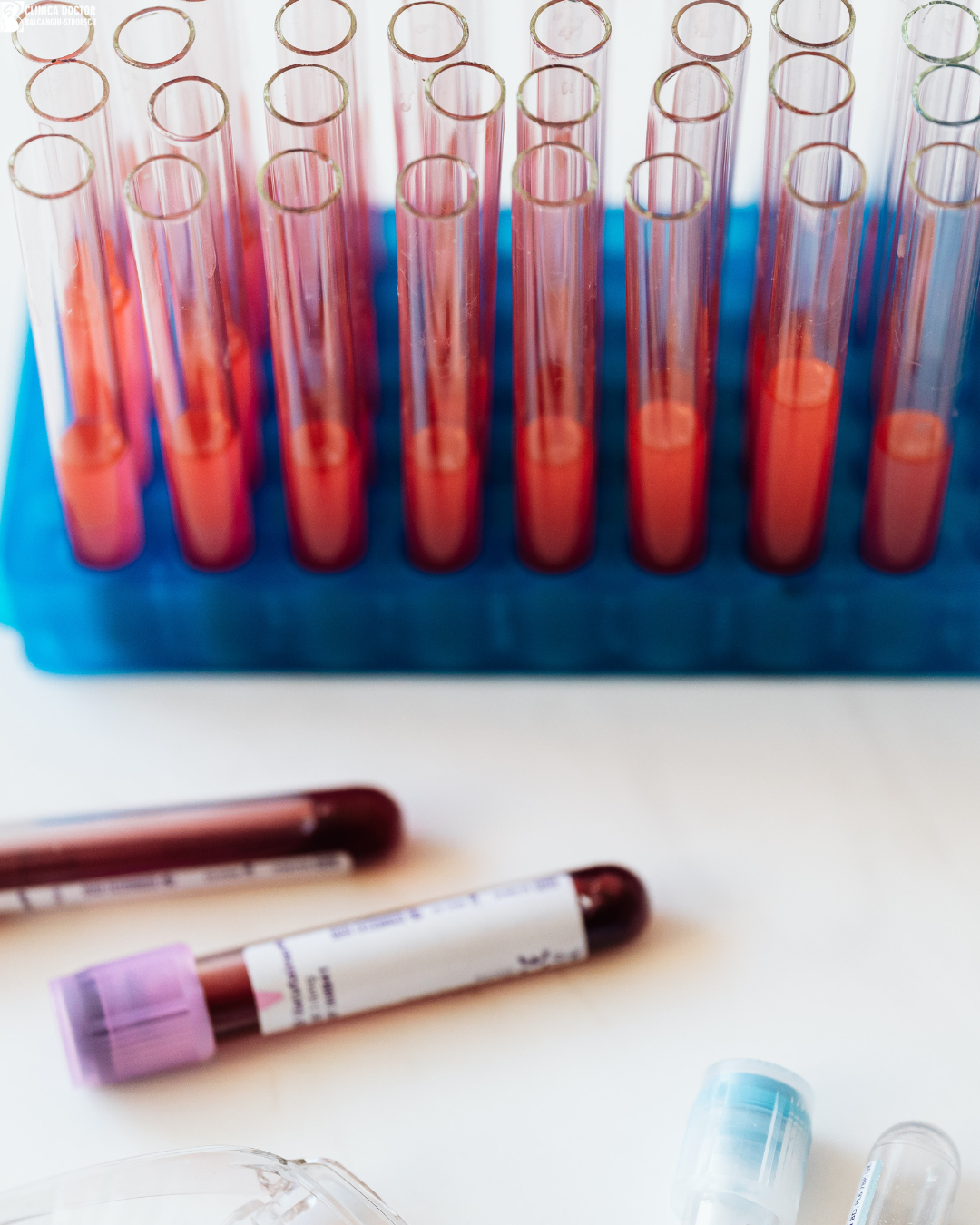
The diagnosis of diabetes mellitus is based primarily on blood tests that measure blood glucose levels. These investigations are essential for detecting diabetes, as well as for monitoring disease progression in people who are already diagnosed.
Diabetes can progress for a long time without obvious symptoms. Therefore, periodic testing is important especially for people who have risk factors, such as being overweight, family history of diabetes, or sedentary lifestyle.
Why are tests important for diabetes
Laboratory tests allow evaluation of blood glucose levels and how the body uses glucose. These tests can identify diabetes in early stages and can allow early initiation of treatment.
Early detection of diabetes is important for preventing complications that can affect organs such as:
- the eyes
- the kidneys
- peripheral nerves
- the cardiovascular system
Fasting blood glucose
Fasting blood glucose represents the level of glucose in the blood measured in the morning after at least 8 hours of fasting.
This is one of the most common tests used for detecting diabetes.
Reference values are:
- below 100 mg/dl – normal values
- between 100 and 125 mg/dl – possible prediabetes
- above 126 mg/dl – possible diabetes, if the value is confirmed by repeating the test
This test is simple and is frequently used during routine checkups.
Glycated hemoglobin (HbA1c)
Glycated hemoglobin reflects the average blood glucose level from the past approximately 2–3 months.
This test is very useful because it provides information about long-term glycemic control.
Reference values are:
- below 5.7% – normal
- between 5.7% and 6.4% – prediabetes
- above 6.5% – possible diabetes
HbA1c is used both for diagnosis and for monitoring treatment in patients with diabetes.
Oral glucose tolerance test
The oral glucose tolerance test (OGTT) is an investigation that evaluates how the body processes glucose.
The test is performed in several stages:
- blood glucose is measured in the morning while fasting
- the patient consumes a solution containing a standard amount of glucose
- blood glucose is measured again after two hours
Values at two hours may indicate:
- below 140 mg/dl – normal
- between 140 and 199 mg/dl – prediabetes
- above 200 mg/dl – possible diabetes
This test is frequently used for diagnosing prediabetes or gestational diabetes.
Other useful tests in diabetic patients
After the diagnosis is established, the physician may recommend additional tests to assess overall health status and to identify any complications.
Lipid profile
This test measures cholesterol and triglyceride levels. People with diabetes have a higher risk of cardiovascular disease, and monitoring the lipid profile is important.
Renal function
Tests for evaluating renal function include:
- creatinine
- glomerular filtration rate
- microalbuminuria
These tests can identify kidney damage in early stages.
Liver function tests
Sometimes tests to evaluate liver function may be recommended, because some people with diabetes may also have metabolic liver disease, such as steatosis (fatty liver) or steatohepatitis.
Who should have their blood glucose checked
Blood glucose testing is especially recommended for people who have risk factors for diabetes.
These factors include:
- being overweight or obese
- family history of diabetes
- arterial hypertension
- sedentary lifestyle
- dyslipidemia (elevated cholesterol)
- gestational diabetes in personal history
- age over 45 years
In these situations, the physician may recommend periodic testing.
When tests should be repeated
The frequency of tests depends on each patient's situation.
In general:
- healthy people can check blood glucose periodically during routine checkups (at least once a year)
- people with prediabetes should be monitored regularly (at least once every 6 months)
- patients with diabetes require periodic evaluations to monitor treatment (at least once every 3 months)
The physician determines the optimal interval for repeating tests.
Conclusion
Blood tests are essential for the diagnosis and monitoring of diabetes mellitus. Tests such as fasting blood glucose, glycated hemoglobin, and oral glucose tolerance test provide important information about how the body uses glucose.
Early detection of diabetes allows for treatment initiation and adoption of lifestyle measures that can prevent long-term complications.
For correct interpretation of tests and for establishing an appropriate monitoring plan, specialist medical evaluation is recommended.