
Introduction
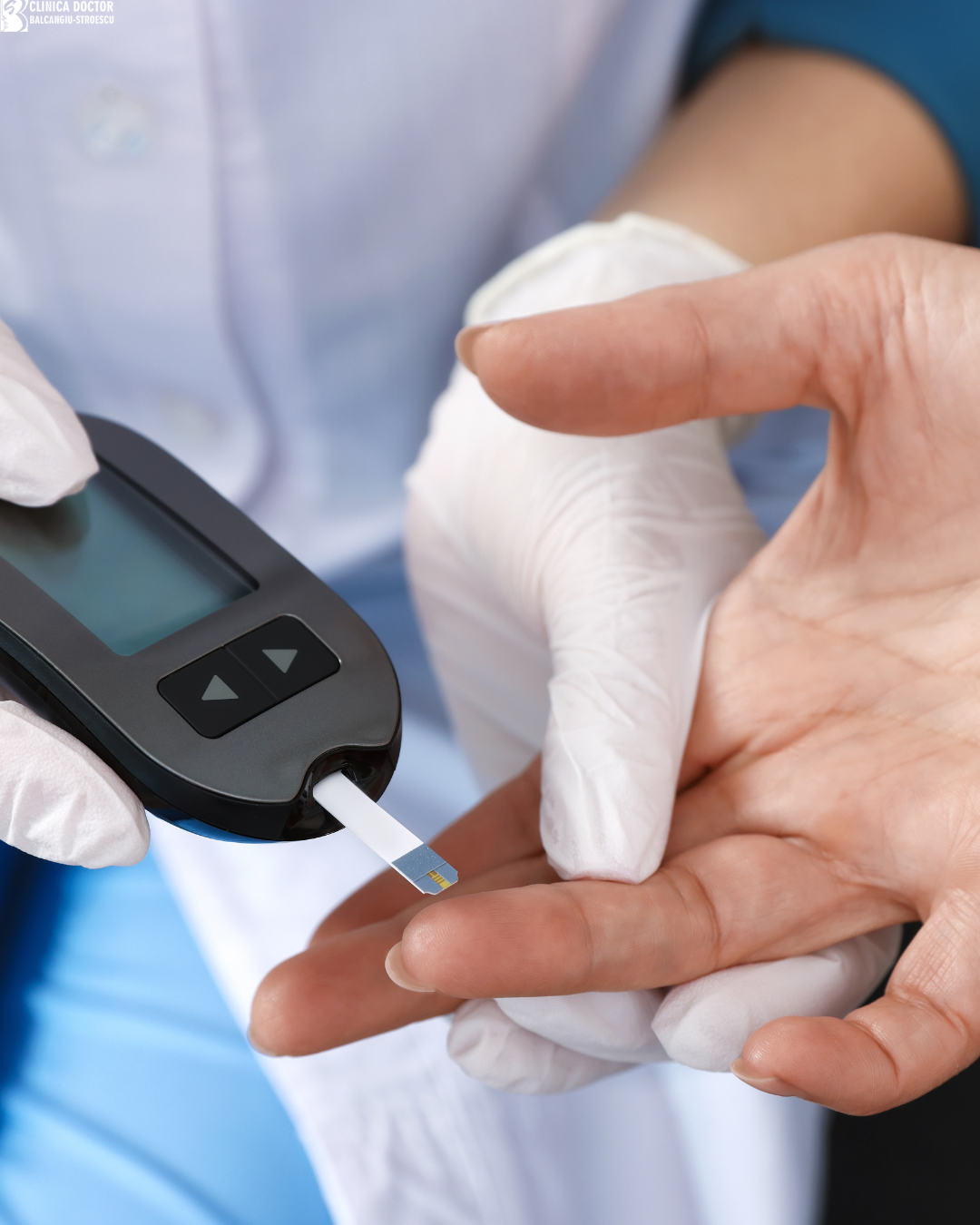
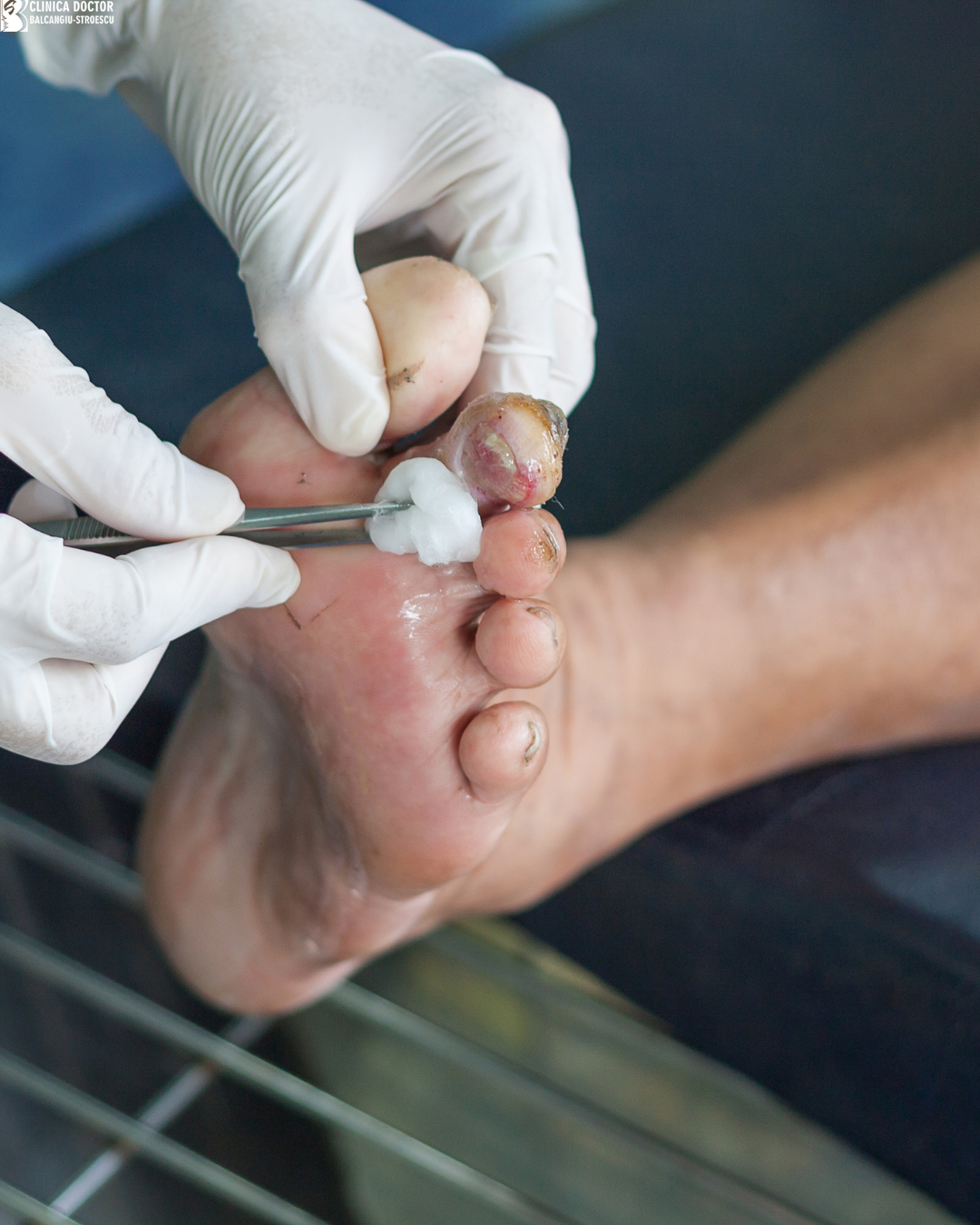
Diabetes often imposes a rigorous daily discipline: counting, measuring, controlling, correcting. Life becomes punctuated by blood glucose measurements, planned meals, and constant vigilance. For many, this medical rigor ensures survival, yet at a deeper level, it awakens powerful emotional and symbolic experiences. Between discipline and desire, between control and rebellion, the psyche negotiates its fragile balance with the body.
The Symbolism of Control
From a psychological and psychosomatic perspective, diabetes introduces a particular relationship with the idea of control. Regulation – so central to treatment – can be laden with anxiety, guilt, or pride. Some patients cling to perfection, fearing that any deviation signals a moral failure.
Others resist, feeling that strict rules reflect archaic parental prohibitions. Thus, "control" is never purely medical; it revives the child's early relationship with authority and dependence. The glucose meter, in this sense, can become an external moralizing entity, a merciless judge.
Desire and the Forbidden Sweet
Food occupies a psychically charged space. Beyond nourishment, sweetness evokes affection, comfort, and reward. When sugar becomes forbidden, it takes on the quality of a lost love object: coveted, idealized, mourned.
Psychoanalysis recognizes that this desire is more than appetite – it is the desire to be recognized. When patients "cheat," it is often not simply defiance, but an attempt to restore a sense of vitality that has become medicalized.
The Depressive Tone
Behind the medical framework often lies sadness. The loss of the immediate pleasure of eating freely, of celebrating spontaneously, can trigger a process of mourning. This awareness can provoke depressive feelings – of being "different," of living under constant surveillance.
Recognition of this pain is essential. Without a space in which to mourn lost freedom, self-care can be perceived as submission, not as self-love.
The Therapeutic Encounter
Within the clinical setting, the psychotherapist's task is to make sense of these contradictory emotions. By exploring ambivalence – the desire for freedom and the need for security – patients can move beyond rigid control or chaotic rebellion toward a more compassionate stance.
Instead of struggling against illness, they have the opportunity to listen to the message it expresses.
Collaboration with medical colleagues is essential: endocrinologists handle somatic regulation, nutritionists guide behavioral choices, and psychotherapy explores the unconscious dynamics that influence treatment adherence.
Integration: From Rule to Relationship
When patients internalize care as a relational experience, rather than as a set of commands, discipline becomes dialogue. Measuring blood glucose ceases to be punishment and transforms into communication with one's own body. Desire is not abolished but integrated – recognized, negotiated, symbolized.
Final Reflection
Living with diabetes means continually living between the boundaries of excess and lack, indulgence and restraint, autonomy and dependence. The psychoanalytic perspective reminds us that each act of regulation carries emotional significance. The goal is not perfect control, but a renewed relationship with oneself – where sweetness can be found not merely in sugar, but in the freedom to care for oneself without shame.