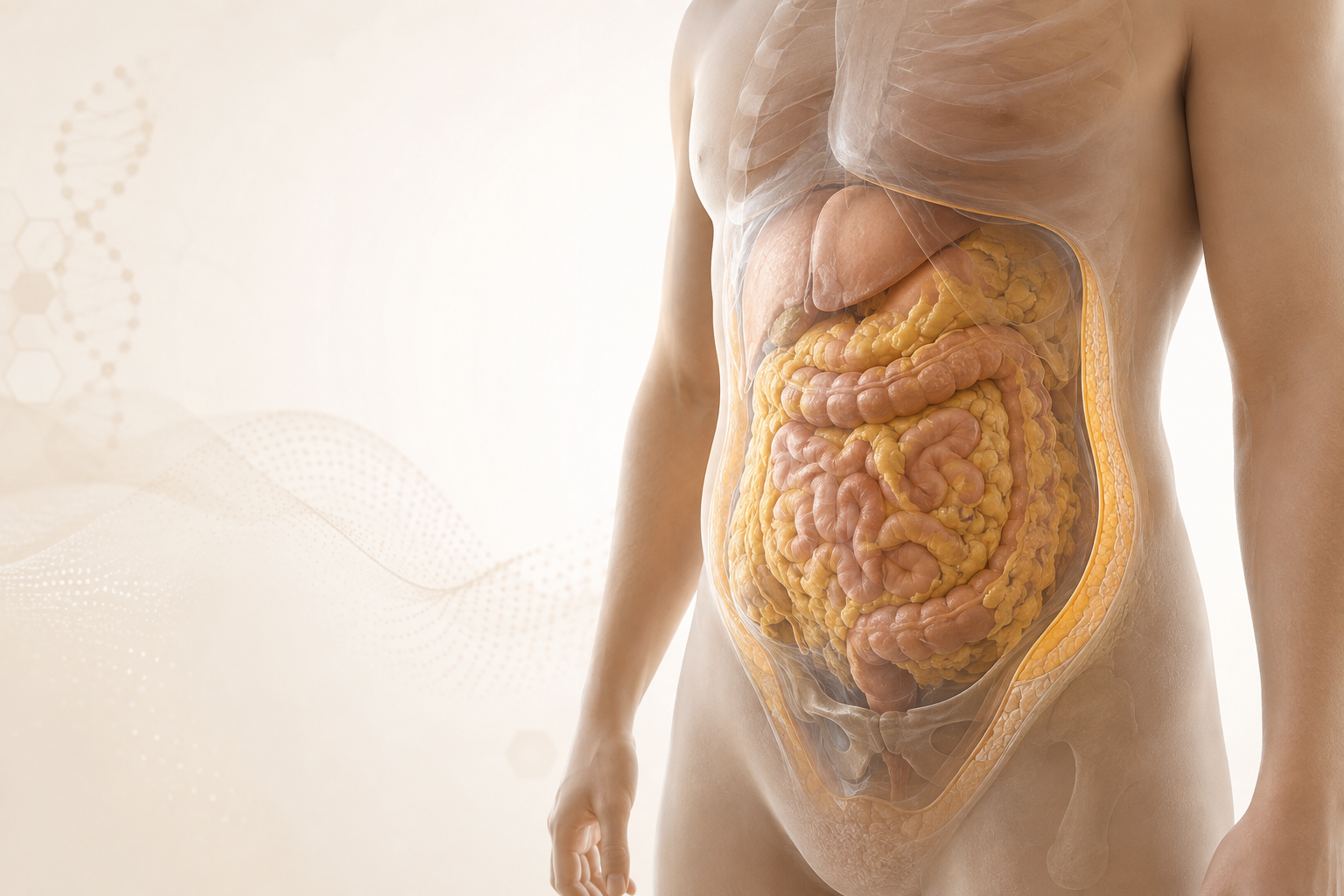

In recent years, pharmacological treatment of obesity has evolved significantly, with the emergence of modern therapies that act on the hormonal mechanisms involved in appetite and metabolic regulation. Two of the most commonly used medications at present are semaglutide and tirzepatide.
Both medications can produce significant weight loss and are used in the management of obesity and associated metabolic risk. However, there are important differences between them, related to their mechanism of action, efficacy, and clinical indications.
Mechanism of action
The main difference between the two medications lies in how they act on the hormones involved in the regulation of metabolism and appetite.
Semaglutide
Semaglutide is a GLP-1 receptor agonist (glucagon-like peptide-1).
GLP-1 is an incretin hormone that:
- stimulates insulin secretion dependent on glucose consumed orally
- improves glucose metabolism
- reduces glucagon secretion
- slows gastric emptying
- reduces appetite at the central level
Through these mechanisms, semaglutide contributes to decreased caloric intake and reduction in body weight.
Tirzepatide
Tirzepatide has a different mechanism, being a dual agonist of GIP and GLP-1 receptors.
In addition to effects similar to those of GLP-1, activation of the GIP receptor (glucose-dependent insulinotropic polypeptide) produces:
- additional stimulation of insulin secretion dependent on glucose consumed orally
- superior improvement in glucose metabolism
- potential effects on lipid metabolism and adipose tissue
This dual action explains why tirzepatide can produce greater weight loss in some clinical trials.
Efficacy in weight loss
Both medications are effective in treating obesity, but there are differences in the magnitude of weight loss observed in clinical trials.
Semaglutide
In studies from the STEP program, patients treated with semaglutide achieved:
- average weight loss of approximately 10–15% of body weight
For many patients, this reduction is sufficient to produce significant metabolic benefits.
Tirzepatide
Studies from the SURMOUNT program showed even more pronounced results.
Patients treated with tirzepatide achieved:
- average weight loss of approximately 15–22%
In some cases, the results approach those obtained with bariatric surgery.
Administration
Both semaglutide and tirzepatide are administered as subcutaneous injection once a week.
Treatment usually begins with small doses, which are gradually increased to reduce the risk of adverse gastrointestinal reactions.
Effects on metabolism
Both medications have favorable effects on metabolism.
Common benefits
Treatment can lead to:
- reduction in body weight
- reduction in abdominal circumference
- improvement in glycemic control
- reduction in blood pressure
- improvement in lipid profile
These effects contribute to reduction in overall cardiometabolic risk.
Adverse reactions
The most common adverse reactions are similar for both medications and are generally gastrointestinal in nature:
- nausea
- vomiting
- abdominal discomfort
- constipation
- diarrhea
These symptoms appear especially in the initial phase of treatment and tend to improve as the body adapts.
How do we choose one or the other?
Treatment selection should be made on an individualized basis, depending on the patient's profile.
The doctor may consider several factors:
- degree of obesity
- presence of type 2 diabetes mellitus
- cardiovascular risk
- response to previous treatments
- treatment tolerance
For some patients, semaglutide may represent an effective and well-tolerated option, while for others tirzepatide may offer more pronounced weight loss.
Treatment of obesity – a comprehensive approach
It is important to emphasize that neither semaglutide nor tirzepatide represents an isolated solution for obesity.
Treatment should be part of a broader program that includes:
- nutritional modifications
- regular physical activity
- psychological support and behavioral therapy
- periodic medical monitoring
Management of obesity is a long-term process, and therapeutic goals must be established individually for each patient.