Useful information
Sugar Cravings: Lack of Willpower or a Biological Response?
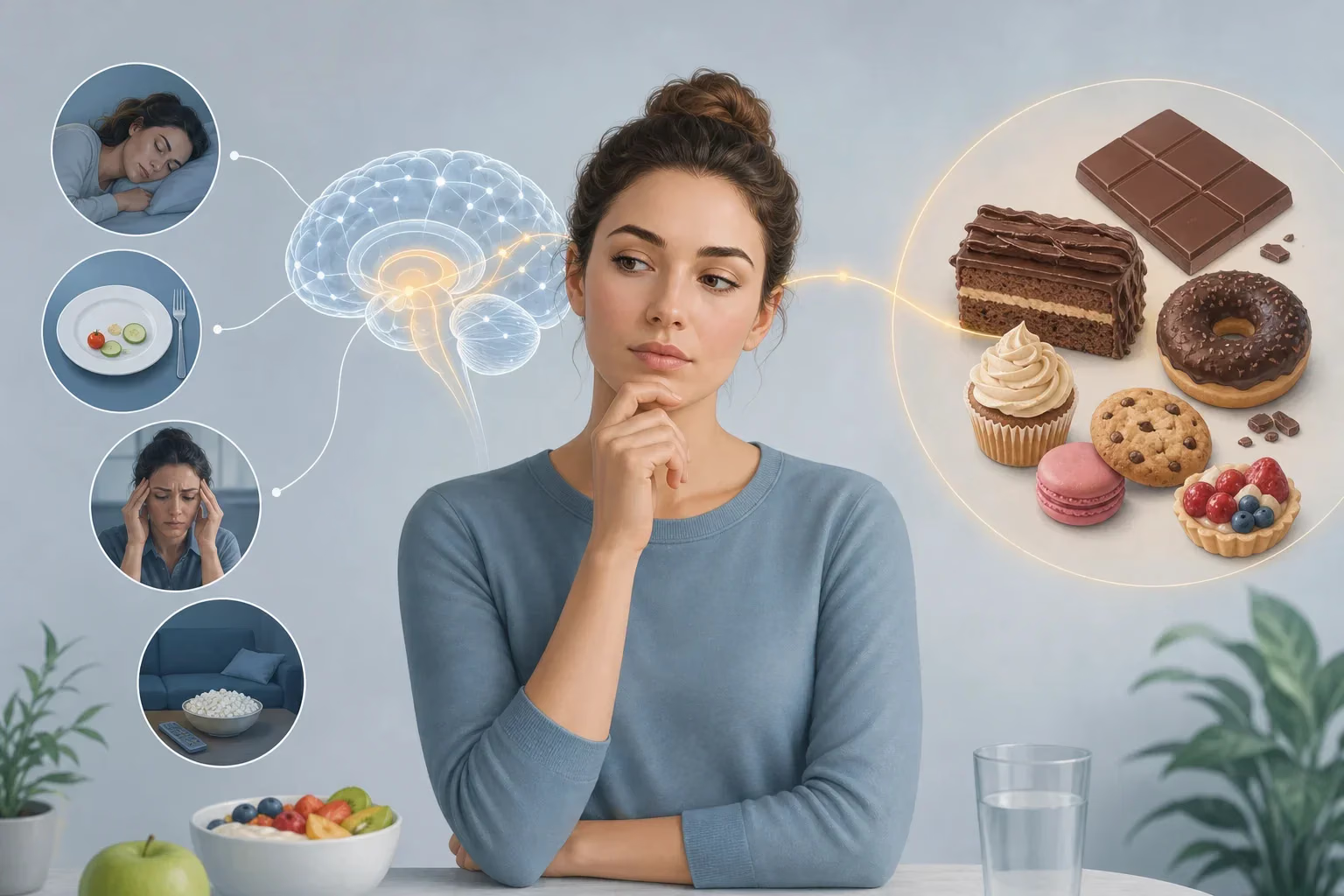
Sugar cravings are not always a sign of hunger or evidence of a “lack of willpower.” They may be influenced by sleep, dietary restriction, stress, habits, and the availability of highly palatable foods. In this article, you will learn how to distinguish hunger from a craving, which factors can intensify cravings, and which strategies may help without rigid restrictions.
Patient Guide
Sugar cravings often arise at predictable times: after a day of insufficient meals, late in the evening, during stressful periods, or after a night of too little sleep. Although they are easily interpreted as a problem of self-control, eating behavior is regulated by the interaction between biological hunger signals, the reward system, emotions, and the environment in which we live.
Sweet foods are pleasurable and easily accessible, and eating them can become associated with specific situations: afternoon coffee, watching a film, or seeking comfort after a difficult day. The solution is not always to eliminate desserts completely, but to understand the factors that sustain cravings and build a more stable eating pattern.
Key points
- Cravings and hunger are not the same: hunger can be satisfied by a wider range of foods, while a craving is directed toward a specific food or taste.
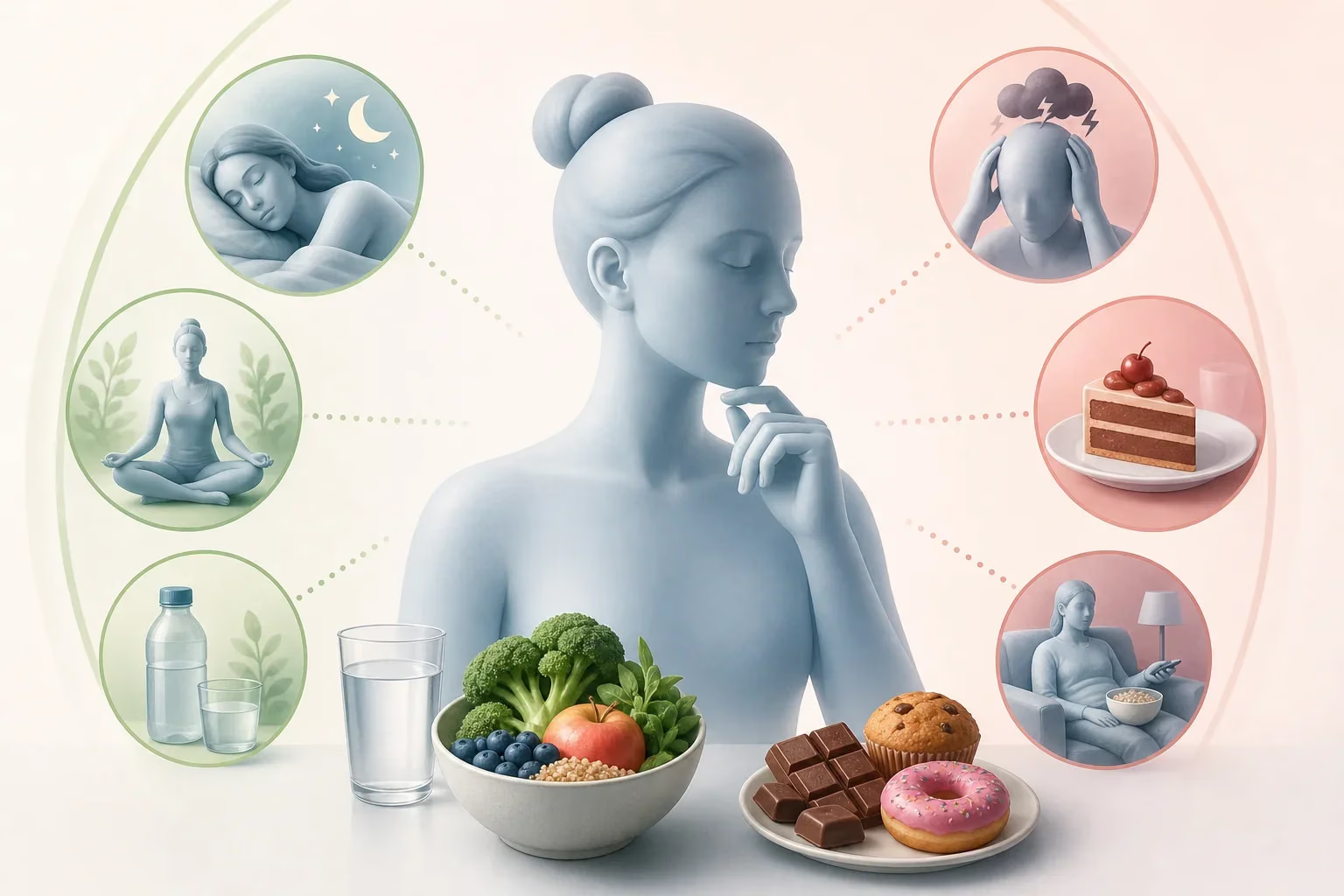
- Insufficient sleep, unsatisfying meals, rigid restrictions, and stress can intensify the desire for sweet foods.
- Cravings may be managed more effectively through balanced meals, planning, and dietary flexibility than through prohibitions and self-criticism.
In this article
01
Why Do Sugar Cravings Occur?
Hunger is the physiological need for energy and generally develops gradually. A craving may arise suddenly, is more specific, and may persist even when the body does not have an immediate need for energy. It involves reward mechanisms and may be triggered by the smell or sight of food, a particular place, an emotion, or a learned routine.
This explains why we may want chocolate immediately after an adequate meal or why a craving can arise almost automatically at certain times of day. Studies show that responses to food cues and the intensity of cravings may predict subsequent food intake, confirming that the food environment plays a genuine role, rather than individual willpower alone.
Frequent sugar cravings do not, on their own, demonstrate the presence of a deficiency, insulin resistance, or diabetes. They should be interpreted in the context of a person’s overall eating behavior and, when risk factors or suggestive symptoms are present, a medical evaluation.
02
What Can Intensify Cravings?
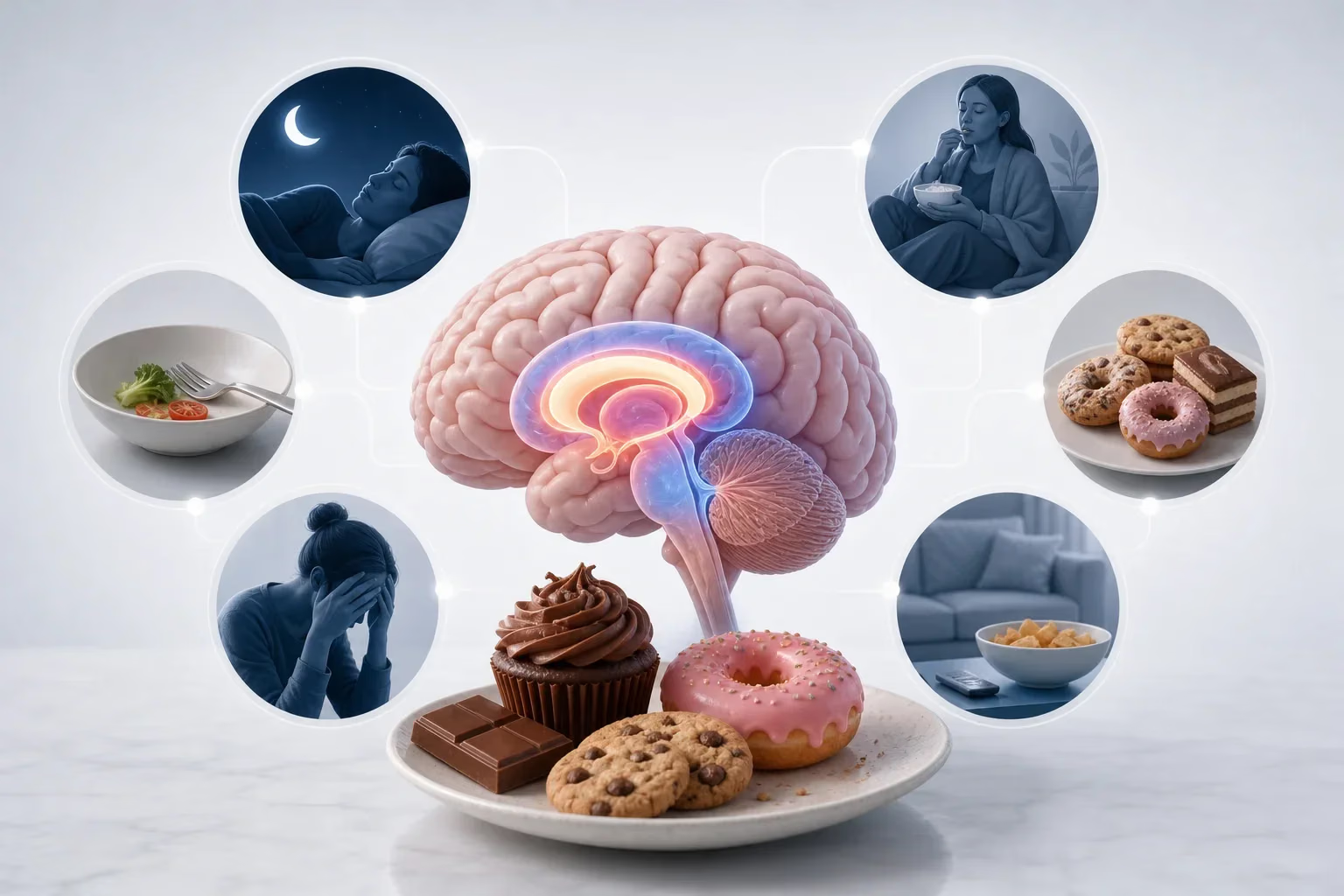
Insufficient sleep is one important factor. In experimental studies, reduced sleep duration has been associated with greater hunger, more intense cravings, and increased snack intake, particularly foods high in carbohydrates. Short sleep does not eliminate personal control, but it may make food choices more difficult.
Insufficient meals may also contribute. If breakfast or lunch is skipped, and meals contain little protein, fiber, and high-volume foods, accumulated hunger may become more intense toward the end of the day. Protein may increase satiety and temporarily reduce hunger and the desire to eat, although the effect differs from one person to another.
Very rigid restrictions may sustain preoccupation with the “forbidden” food. However, the evidence shows a more nuanced relationship: selective, short-term avoidance may intensify cravings, while a structured and sustained dietary intervention does not necessarily have the same effect. In other words, the problem is not every dietary limit, but the repeated cycle of restriction, frustration, loss of control, and guilt.
Stress, fatigue, boredom, and learned habits may complete the picture. In some women, appetite and cravings may also change according to the phase of the menstrual cycle and are reported more frequently during the luteal phase. These variations exist, but their intensity differs considerably between individuals.
03
How Can We Manage Sugar Cravings?
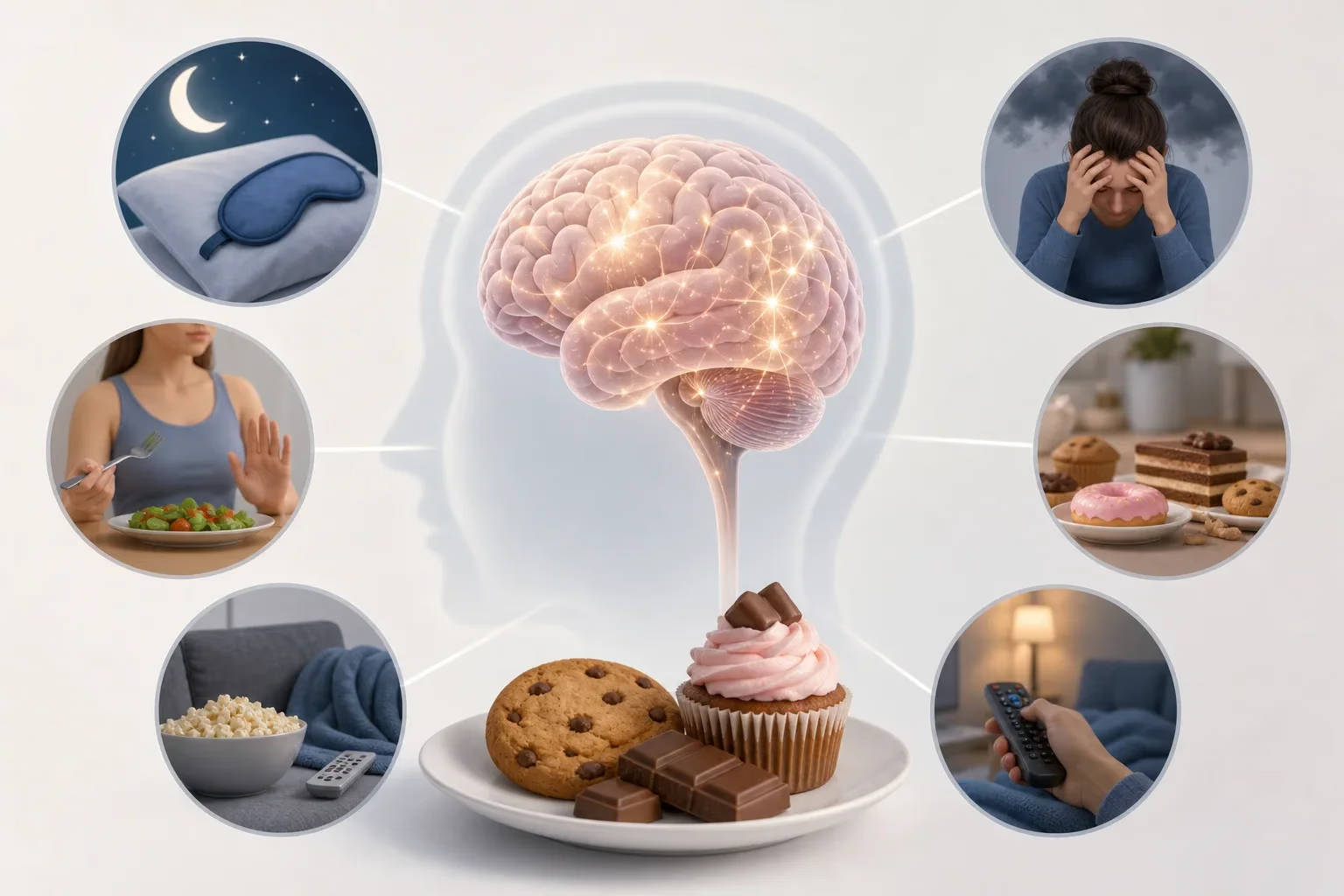
The first step is to identify the context. The useful question is not only, “How can I stop eating sweets?” but also, “When does the craving arise, and what happened beforehand?” Keeping a simple journal for a few days may reveal links with skipped meals, sleep, stress, the menstrual cycle, or specific routines.
Main meals can be built around a source of protein, together with vegetables or fruit, a source of fiber-rich carbohydrates, and, where appropriate, unsaturated fats. The goal is not to achieve perfectly flat blood glucose levels, but to ensure better satiety and prevent excessive hunger. For some people, a planned snack is more effective than trying to hold out until the evening.
Dessert does not automatically need to be eliminated. It can be eaten in a portion decided in advance, preferably while seated at the table and without distractions, possibly after a balanced meal. Maintaining a flexible relationship with food may be more sustainable than alternating between complete restriction and episodes of uncontrolled eating.
Changing the environment can also help: buying reasonable quantities, dividing products into portions, avoiding eating directly from the package, and keeping satisfying alternatives close at hand. When a craving arises, a short pause may be useful to check whether it reflects hunger, fatigue, stress, or simply the presence of a food cue.
Final takeaway
Conclusion
Sugar cravings are not a test of character. They are a response influenced by biology, experiences, emotions, and the food environment. In most cases, however, helpful changes are less dramatic than a “sugar detox”: adequate and satisfying meals, sleep, reducing extreme restrictions, planning desserts, and identifying situations that trigger automatic eating.
If repeated episodes of loss of control, compulsive eating, intense guilt, or severe restriction occur, an evaluation by a doctor, dietitian, and, where appropriate, a mental health professional is recommended.
Medical information notice
This material is for informational purposes and does not replace a medical consultation, diagnosis, or personalized recommendation from a doctor.
Frequently asked questions
Do sugar cravings mean that I have diabetes or insulin resistance?
No. Sugar cravings cannot establish either diagnosis. If risk factors or suggestive symptoms are present, assessment involves a medical consultation and validated tests such as blood glucose and glycated hemoglobin.
Is it better to eliminate sugar completely?
This is not necessary for most people. Limiting free sugars as part of a balanced diet is more important. An absolute ban may be difficult to maintain and, in some people, may increase preoccupation with the foods being avoided.
When should I seek professional help?
When cravings are frequently associated with loss of control, consuming large quantities in a short period, eating in secret, severe restriction, or intense guilt. These experiences deserve to be addressed without shame and may require nutritional and psychological support.
Medical sources
- 1The Psychology of Food Cravings: the Role of Food Deprivation.
Current Nutrition Reports, 2020
- 2Food cue reactivity and craving predict eating and weight gain: a meta-analytic review,
Boswell RG, Kober H., 2016
- 3
- 4
- 5Sleep curtailment is accompanied by increased intake of calories from snacks,
Nedeltcheva AV et al., 2009
- 6
- 7
Continue reading
Related medical articles
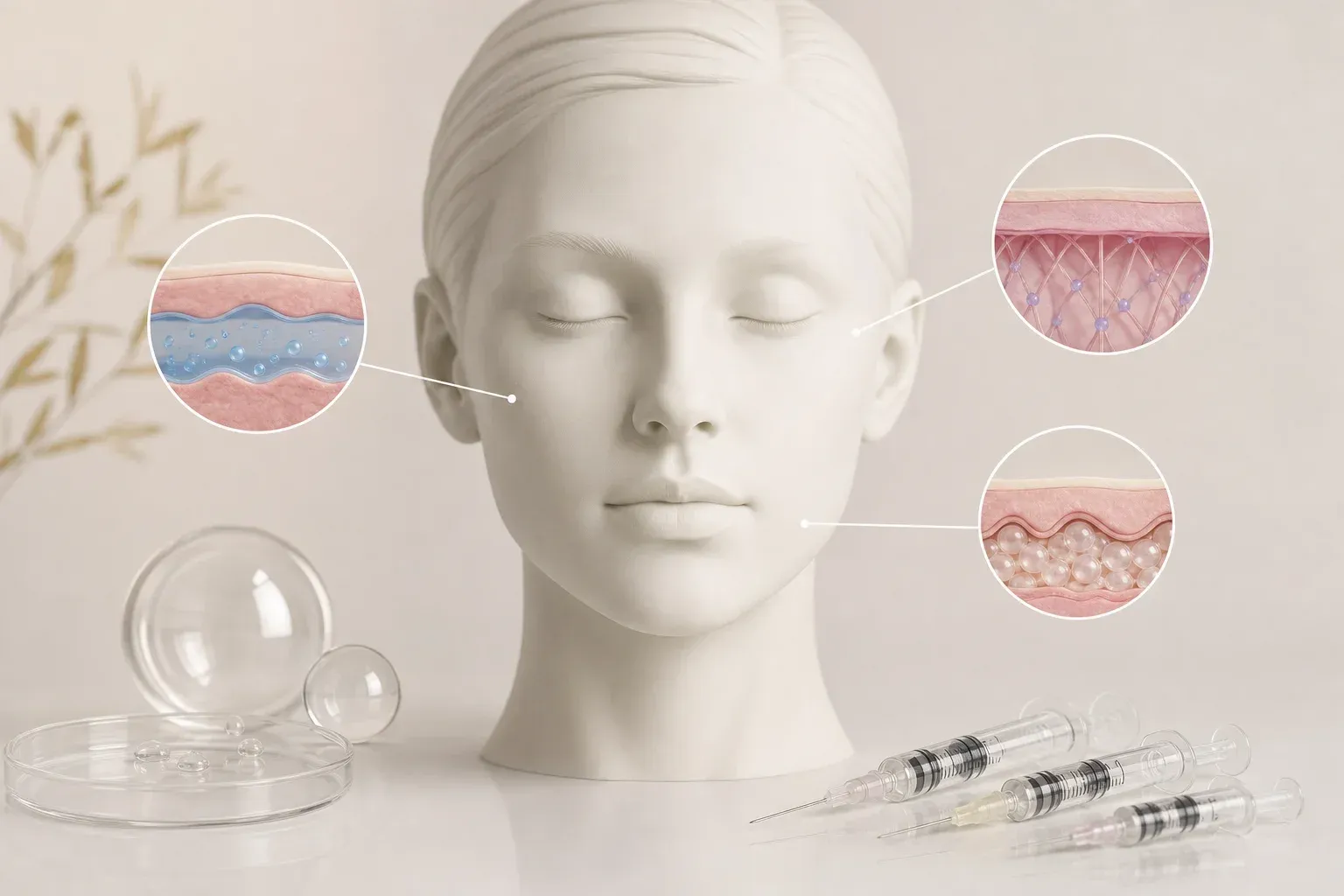
Skin Boosters, Biostimulators, and Fillers: What Is the Difference and Which Treatment Is Right for You?
Skin boosters, biostimulators, and fillers are injectable treatments used in aesthetic medicine for different purposes. Some aim to improve skin hydration and quality, others stimulate collagen remodeling processes, while fillers are used mainly to restore volume. In this article, you will learn how each category works, what results you can expect, and how the appropriate treatment is selected based on the skin’s needs and the aesthetic goal.
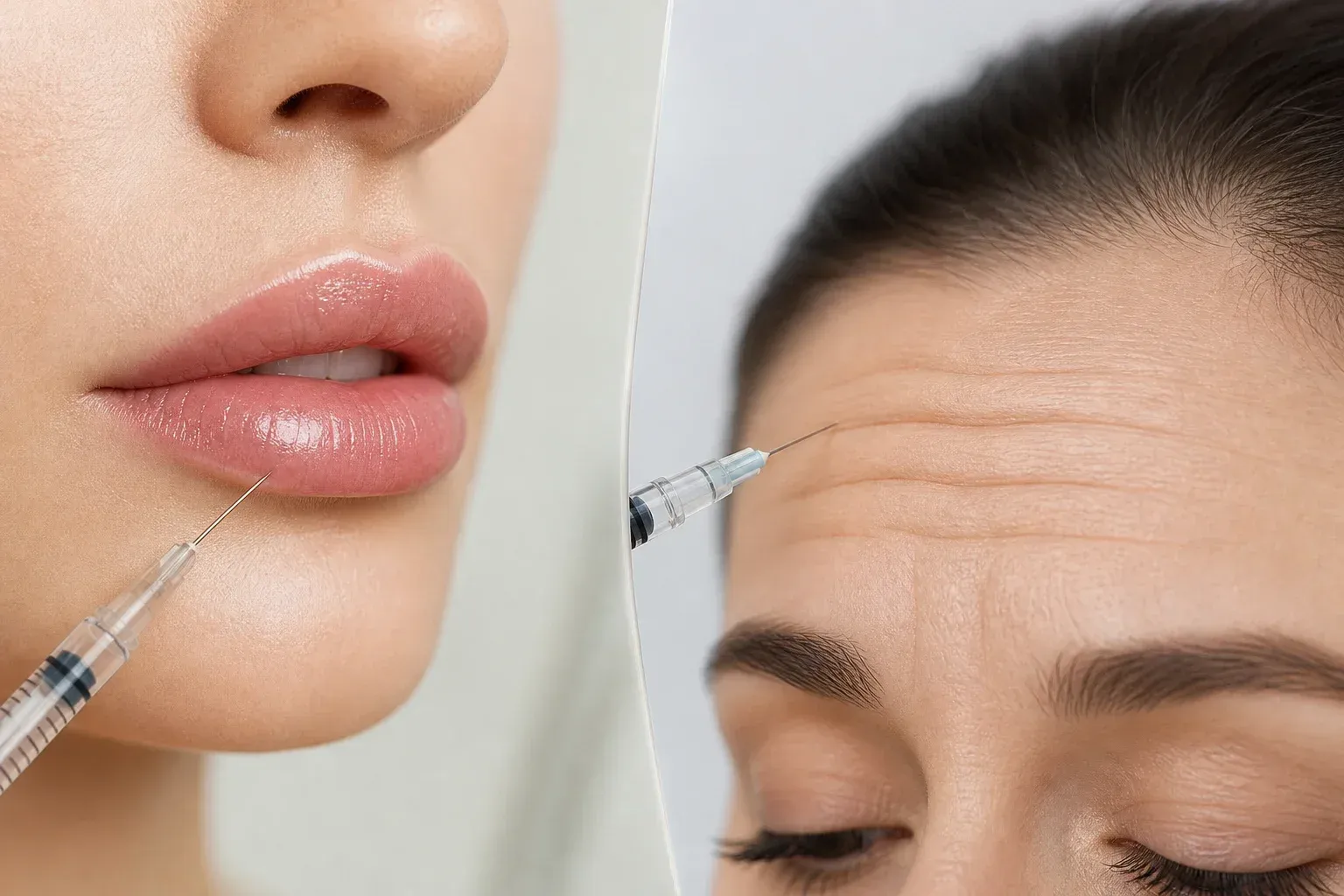
Hyaluronic Acid or Botox? How to Choose the Right Treatment for Wrinkles and Facial Rejuvenation
“Hyaluronic acid or Botox?” is the first question many patients ask when they visit the clinic. Today, we discuss: • The difference between botulinum toxin and hyaluronic acid dermal fillers. • Which treatment is suitable for expression lines, loss of facial volume, and lip contouring. • How long the results last, what the risks are, and why a medical consultation is essential.
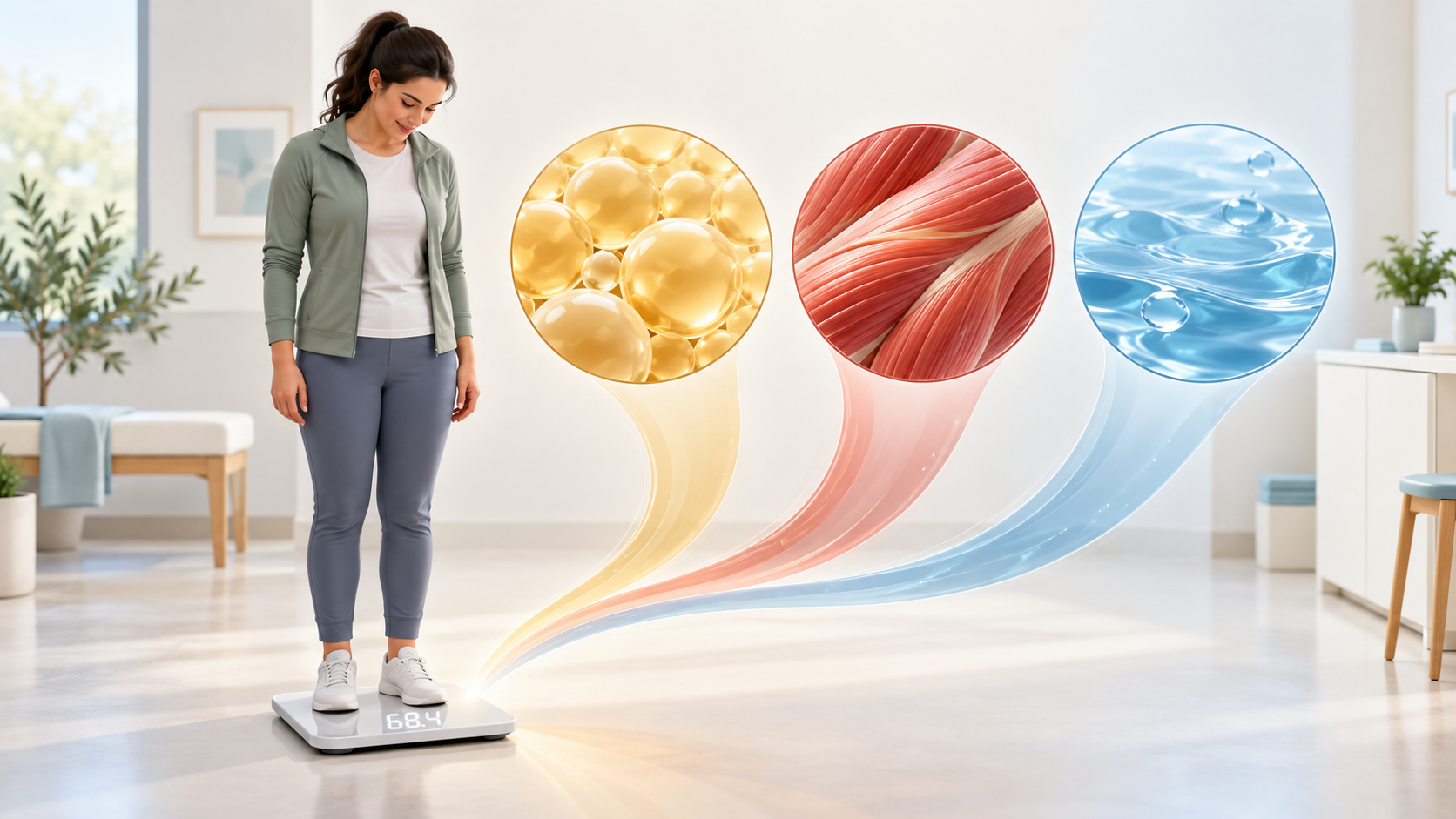
The Scale Is Going Down. But What Are You Actually Losing?
Weight loss does not automatically mean losing only fat. Depending on diet, physical activity, and the pace of the process, the body may also lose water or muscle mass. In this article, you will learn why body composition matters, how muscle can be protected, and which methods we can use to monitor progress beyond the number on the scale.