
Useful information
Skin Boosters, Biostimulators, and Fillers: What Is the Difference and Which Treatment Is Right for You?
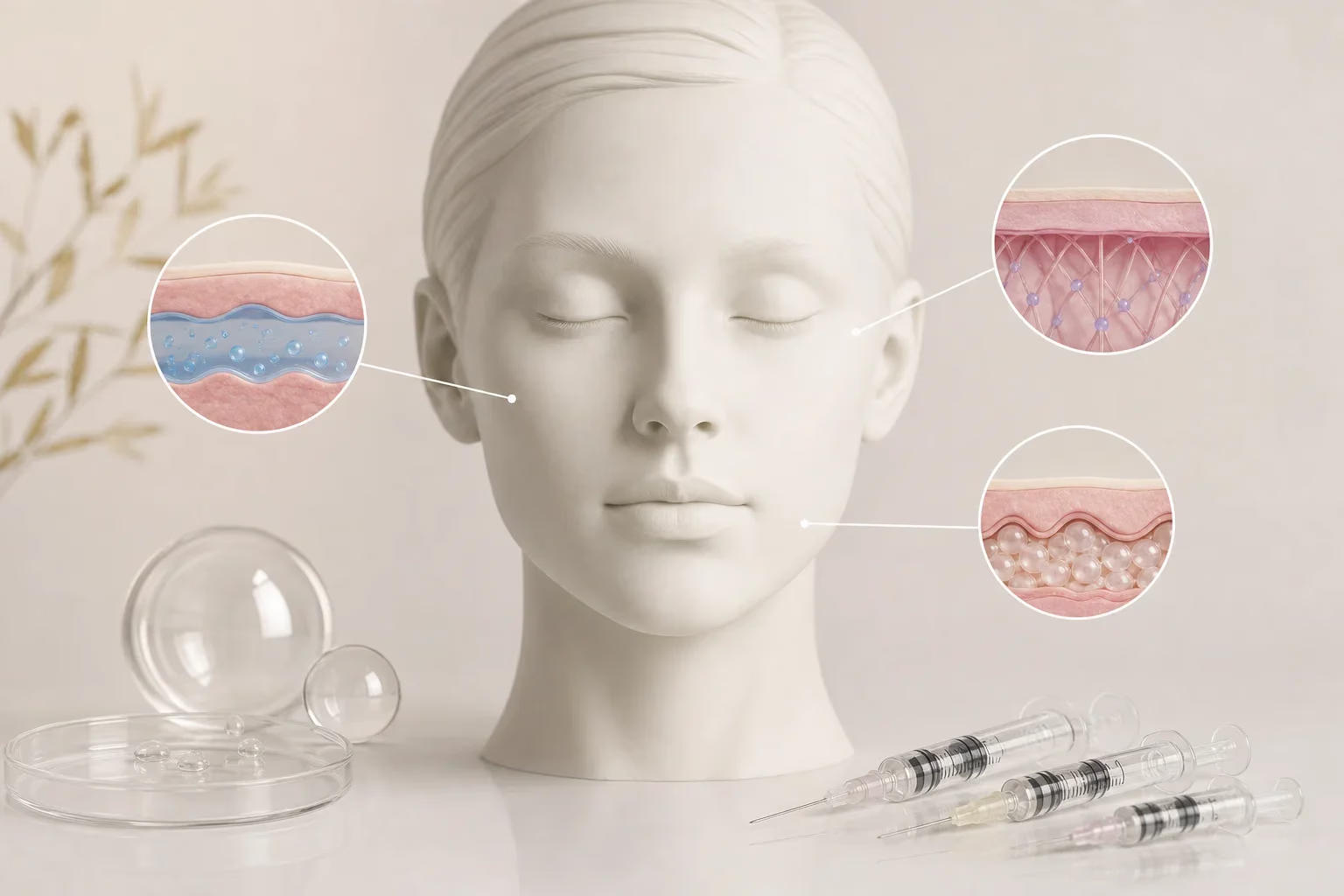
Skin boosters, biostimulators, and fillers are injectable treatments used in aesthetic medicine for different purposes. Some aim to improve skin hydration and quality, others stimulate collagen remodeling processes, while fillers are used mainly to restore volume. In this article, you will learn how each category works, what results you can expect, and how the appropriate treatment is selected based on the skin’s needs and the aesthetic goal.
Patient Guide
Although the terms skin booster, biostimulator, and filler are sometimes used interchangeably, they describe categories that differ in their composition, mechanism of action, and therapeutic objective.
Some products may have complementary effects. For example, certain hyaluronic acid fillers help both hydrate tissues and create volume, while some biostimulatory products may also provide an immediate corrective effect.
Key points
- Skin boosters: primarily aim to improve skin hydration, texture, and overall appearance.
- Biostimulators: stimulate extracellular matrix remodeling processes, including collagen formation.
- Fillers: are used mainly to restore or create volume and to correct certain facial folds and contours.
In this article
01
Skin Boosters: Hydration and Improved Skin Quality
What are skin boosters?
Skin boosters are a category of injectable treatments designed to improve certain skin characteristics, such as hydration, elasticity, texture, and the appearance of fine lines.
Many of these products contain hyaluronic acid, a molecule naturally present in the body’s tissues that can bind water. Depending on the product, the hyaluronic acid may be non-cross-linked or lightly cross-linked, which affects its physical properties and behavior within the tissue.
Unlike a filler designed to provide projection and volume support, a skin booster is selected primarily for its effect on skin quality.
What results can you achieve?
Depending on the product and indication, treatment may help to:
• improve hydration and the appearance of dehydrated skin; • increase elasticity and improve texture; • reduce the appearance of fine lines; • give the skin a smoother, more radiant appearance.
Skin boosters are not equivalent to treatments that correct significant volume loss. They should also not be confused with moisturizing cosmetic products applied to the skin’s surface: injectable administration involves different mechanisms and different risks.
When may they be appropriate?
They may be considered by people seeking to improve skin quality, particularly when their main concerns are dehydration, uneven texture, or fine lines, without a predominant need for added volume.
Results and their duration vary depending on the formulation, the area treated, and individual characteristics. Some protocols involve an initial series of sessions followed by maintenance treatments.
02
Biostimulators: Stimulating Collagen Remodeling
Biostimulators are injectable products intended to stimulate the biological response of tissues, particularly the processes involved in collagen synthesis and remodeling.
Substances used in this category include:
• Poly-L-lactic acid (PLLA): a biodegradable polymer that progressively stimulates the fibroblast response and collagen synthesis. • Calcium hydroxylapatite (CaHA): an injectable material that may provide a degree of immediate support through its carrier gel and may subsequently stimulate tissue remodeling. • Other formulations with biostimulatory effects: some products are designed to influence dermal remodeling processes, although the evidence and indications vary according to their composition.
Not all products marketed as biostimulators have the same mechanism of action or the same level of clinical evidence. It is therefore important to know the active substance and the product’s specific indications.
How do they work, and when do results appear?
After injection, certain materials trigger a controlled tissue response that may promote collagen formation. Unlike a filler with a predominantly immediate volumizing effect, the results of biostimulation generally develop gradually over weeks and months.
The intended effect may include improved firmness, tissue support, and correction of certain changes associated with aging. Depending on the product and indication, a protocol involving several sessions may be necessary.
When may they be appropriate?
These treatments may be considered when the goal is a gradual improvement in tissue firmness and support, particularly in the context of changes associated with aging.
Selecting the product and technique is essential. Unlike hyaluronic acid fillers, some biostimulators cannot be dissolved with hyaluronidase, and nodules and delayed inflammatory reactions are relevant risks associated with certain formulations.
03
Fillers: Adding Volume and Redefining Contours
What are fillers?
Dermal fillers are injectable products used to add volume, correct certain depressions and folds, and selectively alter facial contours.
The best-known category consists of cross-linked hyaluronic acid fillers. Cross-linking changes the gel’s properties, including its resistance to deformation and its ability to maintain its shape within the tissue. These characteristics influence the choice of product for each anatomical area.
There are also fillers made from other materials, such as calcium hydroxylapatite or poly-L-lactic acid, whose properties and indications differ. Some products have both a filling effect and a biostimulatory effect, so the boundaries between categories are not always strict.
What results can you achieve?
Depending on the product and indication, fillers may be used for:
• lip augmentation; • restoring volume in certain areas of the face; • correcting certain folds and depressions; • selectively defining contours such as the chin or jawline.
The outcome is influenced by the type of filler, the amount injected, the injection plane, and individual anatomy. A natural-looking result requires an overall assessment of facial proportions and avoidance of overcorrection.
How long does the effect last, and what are the risks?
Duration depends on the material, product, anatomical area, and individual patient characteristics. Depending on these factors, the average duration of a filler is between 6 and 24 months. Hyaluronic acid fillers are gradually broken down, although the persistence of the material may vary.
Common reactions include swelling, bruising, tenderness, and local redness. Less commonly, infections, nodules, or delayed inflammatory reactions may occur. The most important acute complication is accidental intravascular injection, which may cause ischemia and skin necrosis and, in certain situations, visual impairment.
Hyaluronic acid fillers can sometimes be dissolved with hyaluronidase, but this does not eliminate all risks or guarantee complete reversibility. Other materials cannot be dissolved using the same method.
The procedure must therefore be performed by a physician with appropriate training in facial anatomy, injection techniques, and complication management.
Final takeaway
Conclusion
Skin boosters, biostimulators, and fillers have different objectives: improving skin quality, stimulating collagen remodeling, and correcting volume and contours, respectively. Some products have overlapping effects, which is why the choice should be based on a clinical assessment.
The first step is a dermatology consultation during which you and your physician can establish which changes you would like to correct and which procedure is appropriate for you.
Medical information notice
This material is for informational purposes and does not replace a medical consultation, diagnosis, or personalized recommendation from a physician.
Frequently asked questions
Which treatment is more appropriate for dehydrated skin?
A skin booster may be considered when the goal is to improve skin hydration and quality. However, dehydration may have different causes, and topical care, including the use of emollients and products appropriate for the skin barrier, remains important. The need for an injectable treatment is determined following a dermatological assessment.
Do biostimulators provide immediate results?
In principle, no. Some products may produce an initial effect due to the injected volume or carrier gel, but the effects associated with collagen stimulation appear gradually. The timing and extent of the results depend on the substance, protocol, and individual response.
Can skin boosters, biostimulators, and fillers be combined?
In certain situations, yes. The treatments may complement one another when there are multiple aesthetic goals, but the combination and order of procedures must be individualized. Not every combination is indicated, and the history of previous injectable treatments and the risks associated with each product must be assessed before treatment.
Medical sources
- 1
Dermal Filler Do's and Don'ts for Wrinkles, Lips and More.
U.S. Food and Drug Administration (FDA)
- 2
Dermal Fillers (Soft Tissue Fillers).
U.S. Food and Drug Administration (FDA)
- 3
Yi et al. Skin Boosters: 2026 Updated.
Journal of Cosmetic Dermatology, 2026.
Continue reading
Related medical articles

Sugar Cravings: Lack of Willpower or a Biological Response?
Sugar cravings are not always a sign of hunger or evidence of a “lack of willpower.” They may be influenced by sleep, dietary restriction, stress, habits, and the availability of highly palatable foods. In this article, you will learn how to distinguish hunger from a craving, which factors can intensify cravings, and which strategies may help without rigid restrictions.
Hyaluronic Acid or Botox? How to Choose the Right Treatment for Wrinkles and Facial Rejuvenation
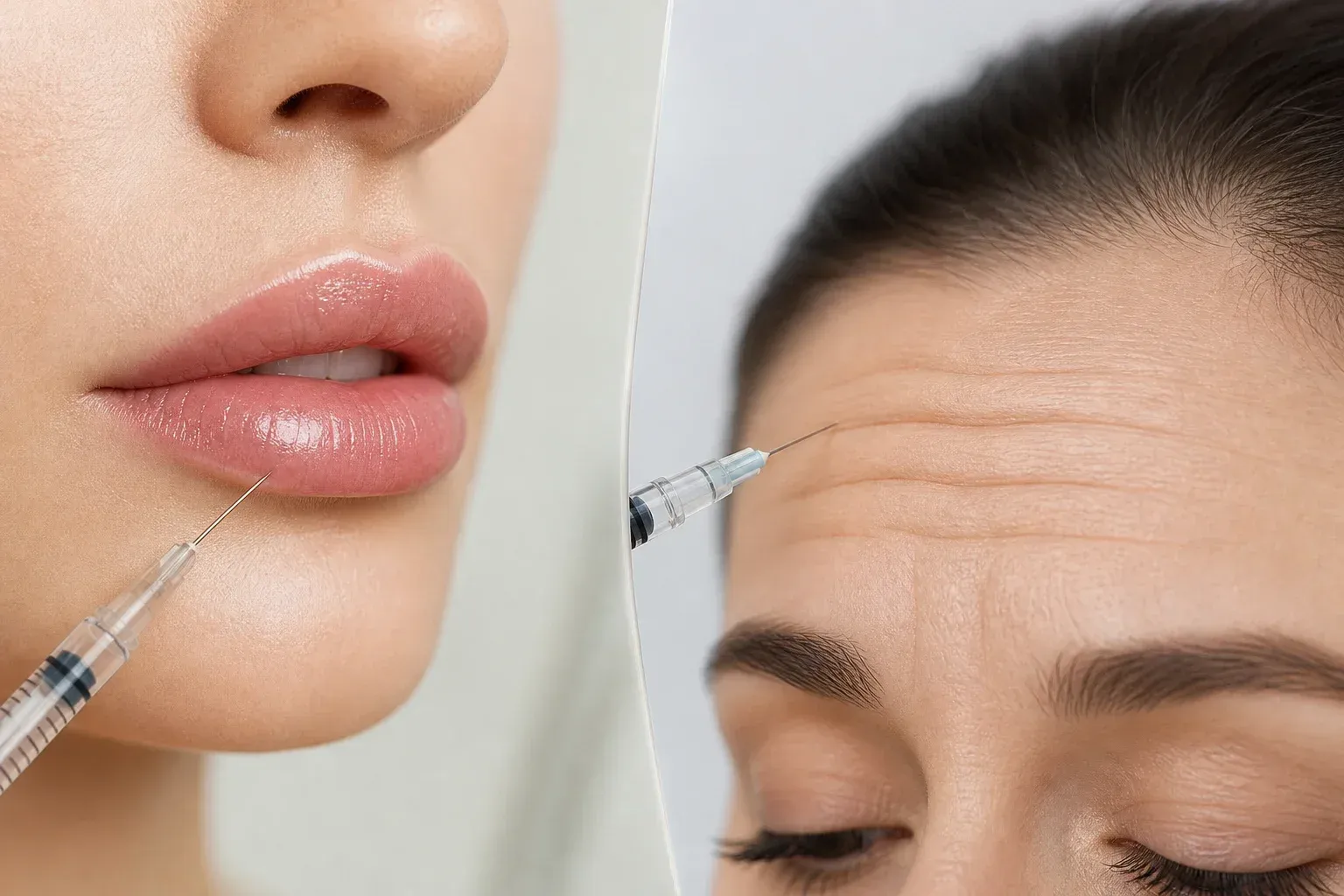
“Hyaluronic acid or Botox?” is the first question many patients ask when they visit the clinic. Today, we discuss: • The difference between botulinum toxin and hyaluronic acid dermal fillers. • Which treatment is suitable for expression lines, loss of facial volume, and lip contouring. • How long the results last, what the risks are, and why a medical consultation is essential.
The Scale Is Going Down. But What Are You Actually Losing?
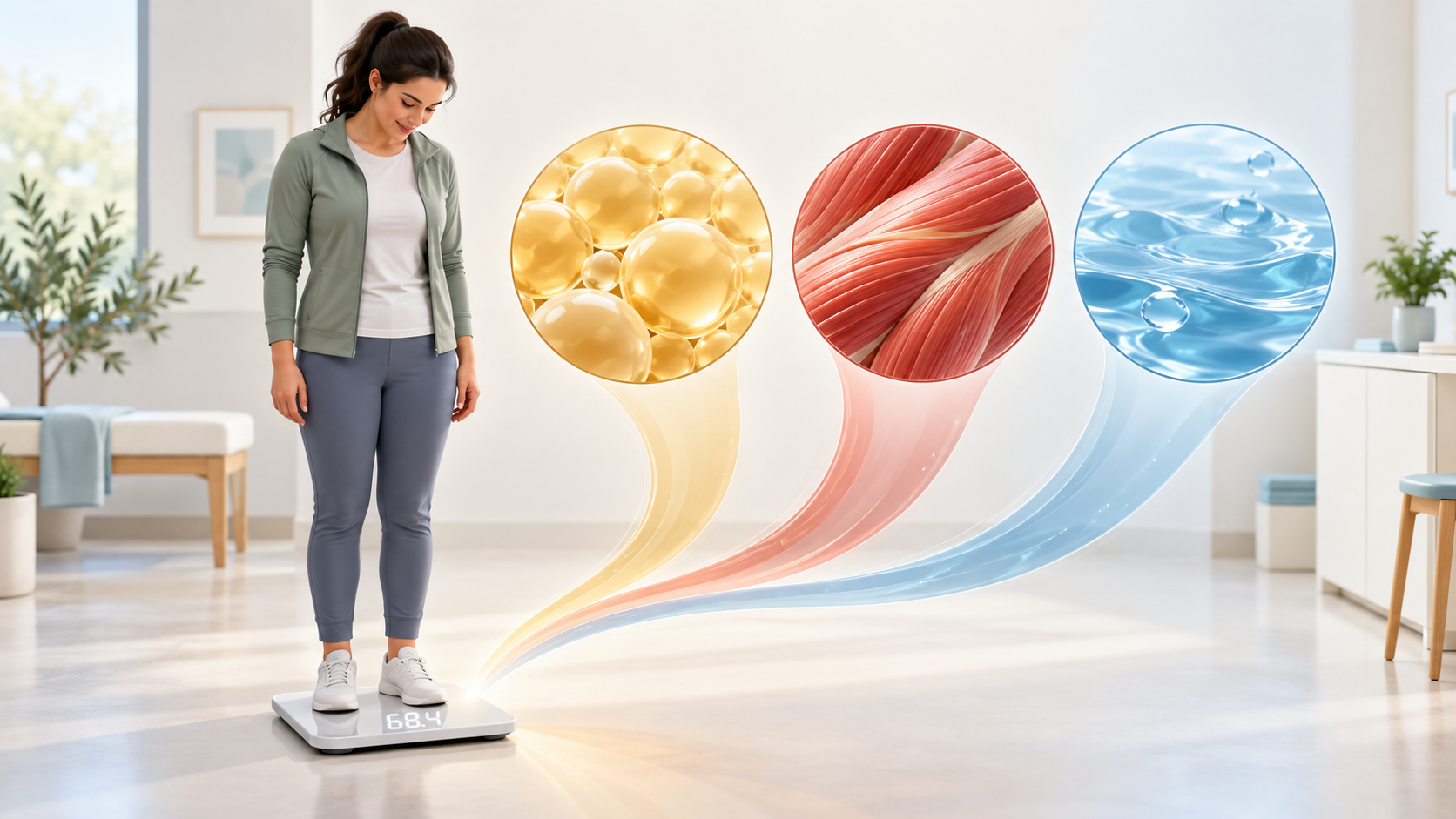
Weight loss does not automatically mean losing only fat. Depending on diet, physical activity, and the pace of the process, the body may also lose water or muscle mass. In this article, you will learn why body composition matters, how muscle can be protected, and which methods we can use to monitor progress beyond the number on the scale.