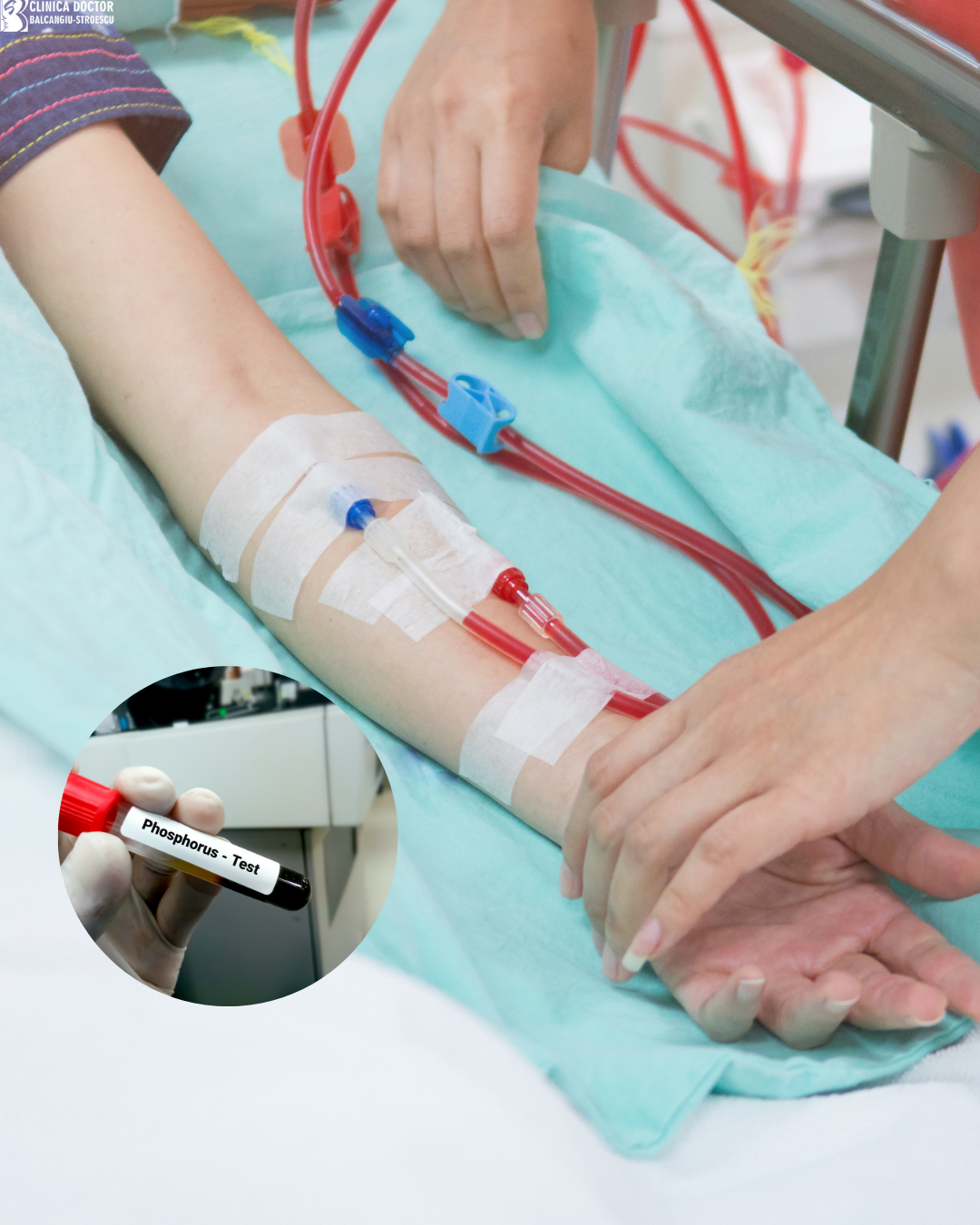
Phosphorus control in hemodialysis patients is based on correct dietary choices, limiting processed products rich in phosphates, adhering to prescribed treatment, and maintaining regular physical activity.
Simple, less processed foods consumed in appropriate portions are safer, while mature cheeses, processed meats, cola-type beverages, and fast food should be limited.
Constant movement, even moderate, supports metabolic balance.
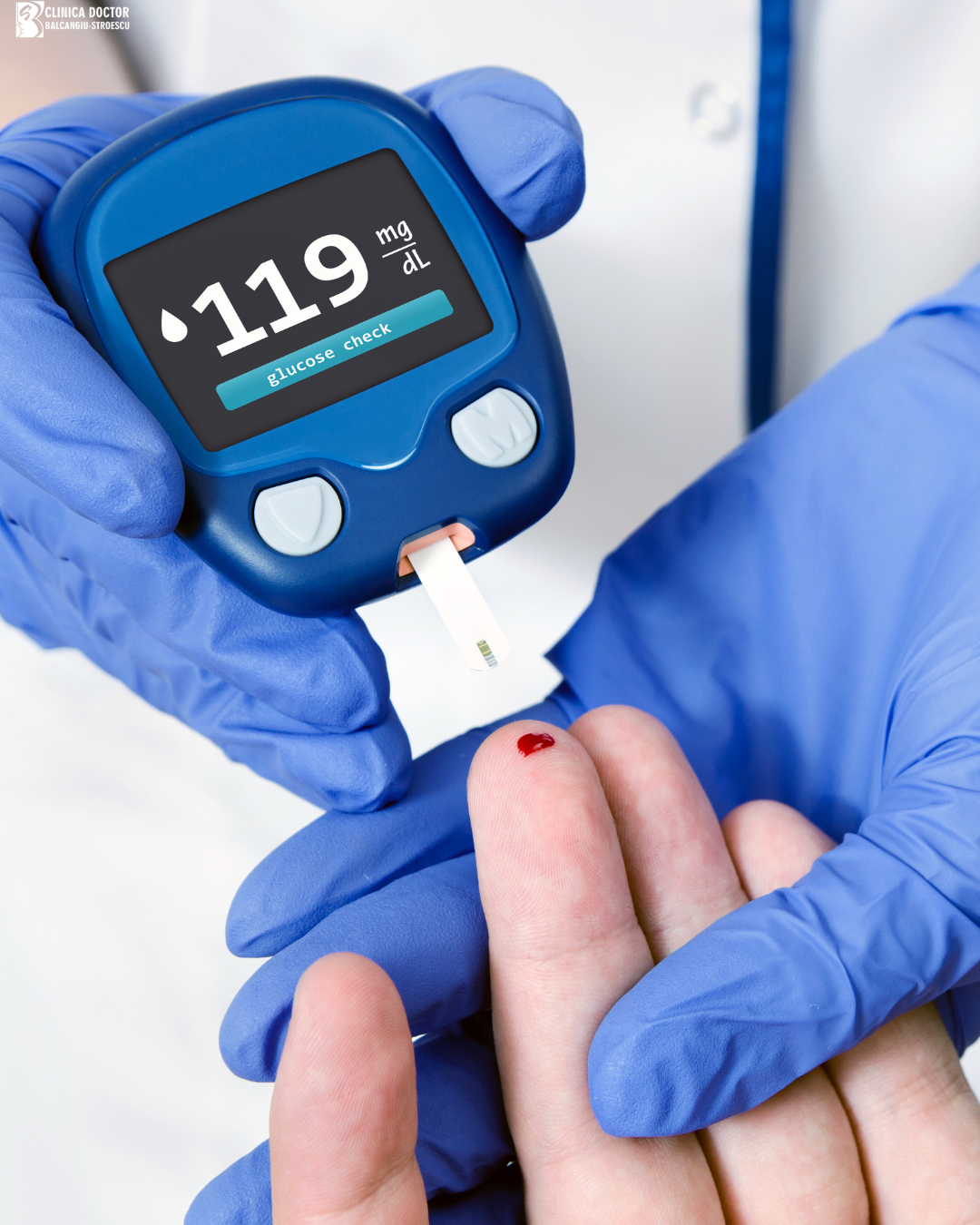
In diabetic patients, the meal plan must be additionally adapted to simultaneously balance blood glucose, protein intake, and phosphorus level.
Phosphorus control is a progressive process, based on correct information and collaboration with the physician.
1. Which foods are safer?
These foods generally contain less phosphorus (per portion) and can be included in the diet in amounts adapted to each patient:
· White rice
· Plain pasta
· White bread
· Apples, pears, berries
· Fresh vegetables (cucumber, green salad, bell pepper)
· Lean meat cooked simply (chicken, turkey)
❗Important: portion size matters just as much as food choice.
2. What foods rapidly increase phosphorus?
These should be limited as much as possible:
· Processed cheese and mature cheeses
· Processed meats, sausages, processed products
· Cola and dark-colored carbonated beverages
· Nuts, hazelnuts, seeds (in large quantities)
· Fast food
❗ Processed products often contain added phosphates (additives). These are absorbed almost completely in the body and rapidly increase blood phosphorus.
3. Simple tricks that make a difference
✔ Choose foods as minimally processed as possible
✔ Boil meat and discard the first water (reduces some of the mineral content)
✔ Read labels – avoid products containing ingredients with "phosphate" in the name
✔ Take phosphorus-binding medication exactly as recommended
✔ Eat regularly, don't concentrate protein-rich meals into a single moment of the day
4. Movement – medicine without a pill
We're not talking about intense exercise. We're talking about consistency.
- 20–30 minutes of daily walking
- Light mobility exercises
- Movement adapted to general condition
Movement supports metabolism and can help stabilize some biological parameters, including phosphatemia.
5. If you also have diabetes
For diabetic patients, control is even more important. Blood glucose fluctuations can influence metabolism and diet response.
In this case, the meal plan must be even more personalized — simultaneously balancing:
- blood glucose control
- protein intake
- phosphorus limitation
Message for patients
It's not about "prohibitions," but about intelligent and consistent choices.
Phosphorus control is not achieved in one day. It is built step by step, through:
- correct information
- collaboration with the physician
- personalized adjustments