
Prediabetes is a metabolic disorder characterized by blood glucose values higher than normal, but not yet reaching the threshold necessary for a diagnosis of diabetes mellitus. Although it often does not produce obvious symptoms, prediabetes represents an important warning signal, because it indicates an increased risk of developing type 2 diabetes mellitus and cardiovascular complications.
In many cases, prediabetes can progress to diabetes within a few years if preventive measures are not implemented. However, the good news is that this stage also represents an important window of intervention, in which lifestyle modifications can prevent or delay the onset of diabetes.
What is prediabetes?
Prediabetes occurs when the body begins to have difficulty regulating blood glucose. Normally, insulin – a hormone produced by the pancreas – helps glucose from the blood enter cells to be used as an energy source.
In prediabetes, this mechanism becomes less efficient, most often due to insulin resistance. The body's cells respond poorly to insulin, and the pancreas must produce larger amounts of hormone to keep blood glucose within acceptable limits.
Over time, this excessive workload on the pancreas can lead to a decrease in its insulin secretion capacity, at which point type 2 diabetes mellitus appears.
Types of prediabetes
Prediabetes can be identified through multiple types of changes in carbohydrate metabolism.
Impaired Fasting Glucose (IFG)
This situation occurs when blood glucose measured in the morning, on an empty stomach, is higher than normal.
Characteristic values are:
- fasting blood glucose between 100 and 125 mg/dl
Impaired Glucose Tolerance (IGT)
This situation is identified through the oral glucose tolerance test.
Two hours after ingestion of a standard amount of glucose, blood glucose is:
- between 140 and 199 mg/dl
Elevated glycated hemoglobin
Glycated hemoglobin (HbA1c) reflects the average of blood glucose levels from the last 2–3 months.
Prediabetes is suggested by values between:
- 5.7% and 6.4%
How common is prediabetes?
Prediabetes is much more common than diabetes and affects a large number of people, often without their knowledge.
It is estimated that a significant proportion of adults has prediabetes, but most are not diagnosed because:
- they do not present obvious symptoms
- they do not undergo periodic testing
For this reason, metabolic screening is essential for early identification of people at risk.
Who is at increased risk for prediabetes?
There are several factors that increase the risk of developing prediabetes.
Overweight and obesity
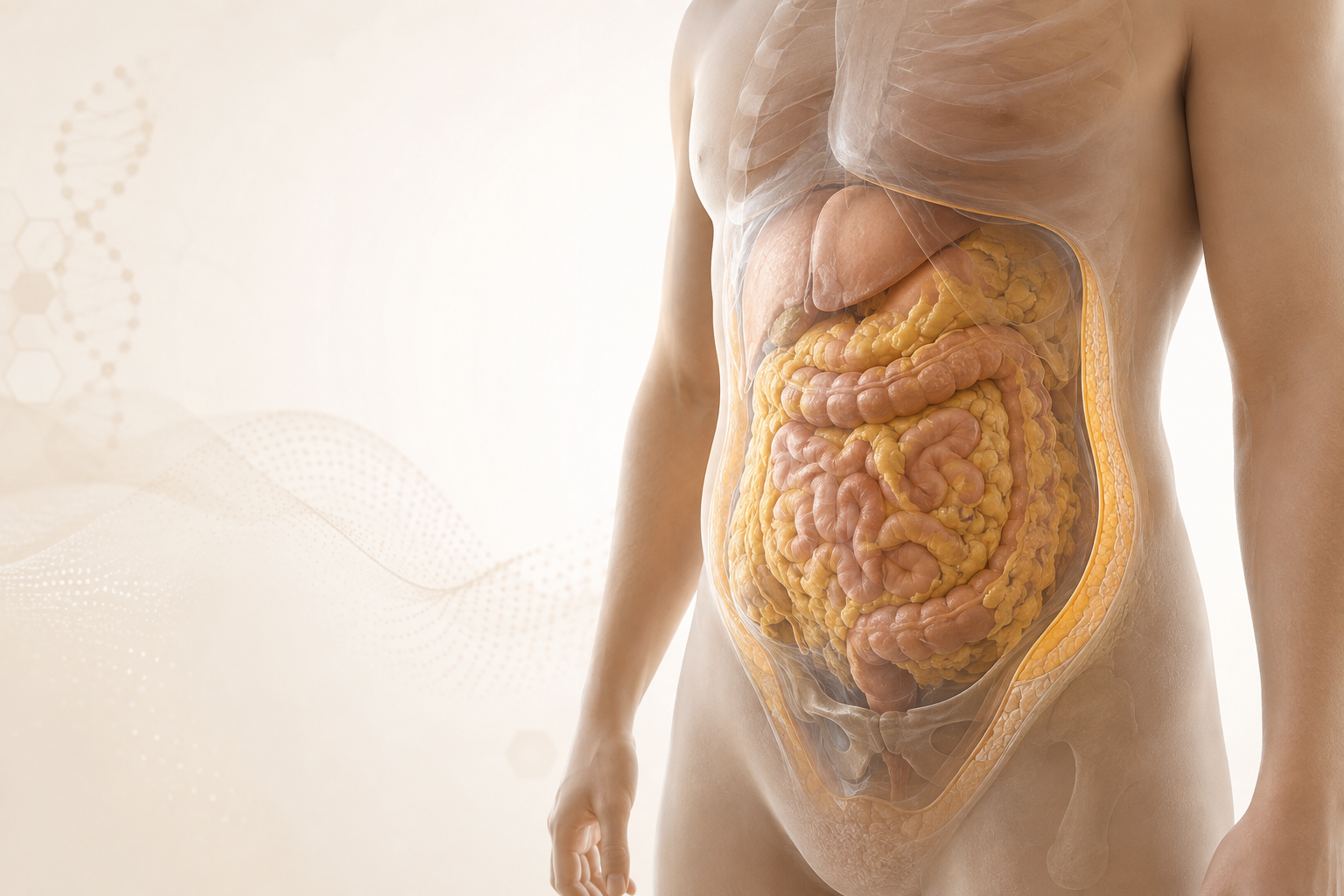
Obesity, especially abdominal obesity, is one of the most important risk factors. Excess adipose tissue contributes to the development of insulin resistance.
Sedentary lifestyle
Reduced physical activity is associated with decreased insulin sensitivity.
Family history of diabetes
People who have first-degree relatives with type 2 diabetes mellitus have a higher risk.
Age over 45 years
The risk of prediabetes and diabetes increases with advancing age.
Polycystic ovary syndrome
This condition is frequently associated with insulin resistance.
Arterial hypertension and dyslipidemia
These often form part of the metabolic syndrome picture.
Are there symptoms in prediabetes?
In most cases, prediabetes does not produce obvious symptoms. Therefore, many people learn about this condition only as a result of routine testing.
However, some people may present non-specific symptoms, such as:
- fatigue
- frequent sensation of hunger
- weight gain
- difficulty losing weight
A clinical sign sometimes associated with insulin resistance is acanthosis nigricans, characterized by areas of darkened and thickened skin, frequently at the level of the neck or armpits.
Why is it important to diagnose prediabetes?
Prediabetes is not just an intermediate stage between normal and diabetes. It is already associated with an increased risk for cardiovascular disease.
People with prediabetes may have:
- increased risk of myocardial infarction
- increased risk of stroke
- early vascular involvement
Furthermore, without appropriate intervention, approximately 5–10% of people with prediabetes develop type 2 diabetes mellitus each year.
When should we be concerned?
Prediabetes becomes concerning especially when other metabolic risk factors are also present.
Situations requiring careful evaluation include:
- abdominal obesity
- elevated blood pressure values
- dyslipidemia
- family history of diabetes
- progressive increase in blood glucose
In these cases, early intervention is essential to prevent progression toward diabetes.
How can we prevent progression to diabetes?
Prediabetes is one of the few situations in medicine where disease can be effectively prevented.
Weight loss
Reducing body weight by 5–7% can significantly reduce the risk of developing diabetes.
Regular physical activity
Recommendations include:
- at least 150 minutes of moderate physical activity per week
Physical activity improves insulin sensitivity and contributes to blood glucose control.
Balanced diet
A diet beneficial for metabolism includes:
- vegetables and fruits in moderate quantities
- whole grains
- quality proteins
- healthy fats
It is important to reduce consumption of:
- sugar
- sweetened beverages
- ultra-processed foods
Is medication treatment necessary?
In some situations, the doctor may recommend medication to reduce the risk of diabetes.
The most commonly used medication is metformin, especially in people with:
- obesity
- increased risk of diabetes
- younger age
- polycystic ovary syndrome
Treatment is always combined with lifestyle modifications.
Monitoring people with prediabetes
People diagnosed with prediabetes should be monitored periodically.
Evaluation may include:
- fasting blood glucose
- glycated hemoglobin
- lipid profile
- blood pressure assessment
Regular monitoring allows early identification of progression to diabetes and adjustment of therapeutic interventions.
Conclusion
Prediabetes represents an important warning signal for metabolic health. Although it is not yet diabetes, this condition indicates that the body is beginning to have difficulty regulating blood glucose.
Early diagnosis and intervention on lifestyle can prevent or significantly delay the onset of type 2 diabetes mellitus.
Through weight loss, regular physical activity, and balanced nutrition, the risk of progression can be significantly reduced, and metabolic health can be improved in the long term.