
Obesity is a chronic disease associated with an increased risk of type 2 diabetes mellitus, cardiovascular disease, metabolic fatty liver disease, and numerous other complications. Although lifestyle modifications – balanced diet and regular physical activity – represent the foundation of treatment, in many situations these are not sufficient to achieve or maintain significant weight loss.
In these cases, pharmacological treatment of obesity can represent an effective option. One of the frequently used medications at present is semaglutide, which has demonstrated important results in reducing body weight and improving the metabolic profile.
What is semaglutide?
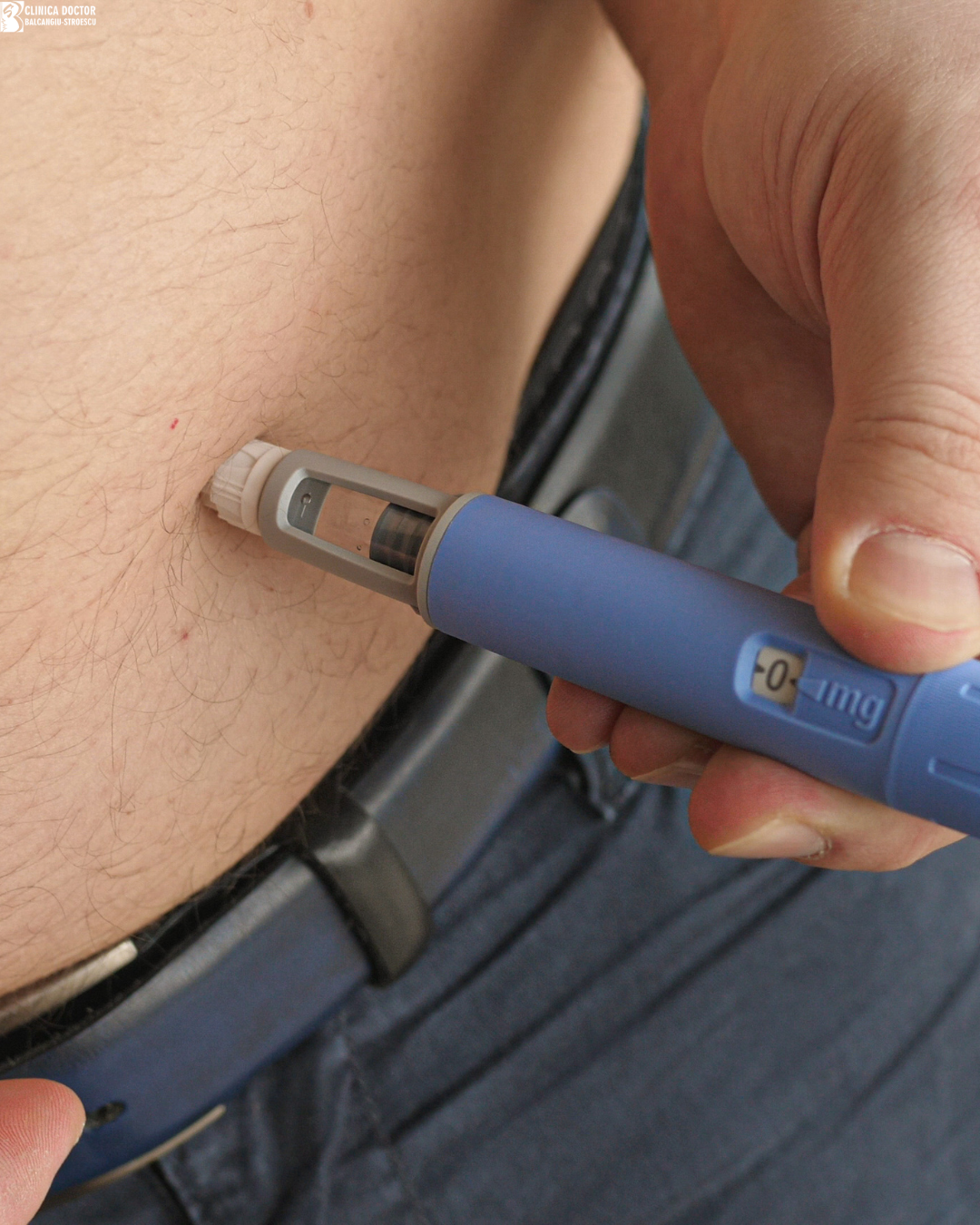
Semaglutide is a GLP-1 receptor agonist (glucagon-like peptide-1), administered as a subcutaneous injection, once per week.
GLP-1 is a hormone involved in the regulation of metabolism and appetite. By activating GLP-1 receptors, semaglutide produces several beneficial effects:
- reduces the sensation of hunger
- increases the sensation of satiety
- decreases caloric intake
- slows gastric emptying
- improves glycemic control
Through these mechanisms, the medication contributes to significant reduction in body weight.
Clinical trials from the STEP program showed that patients treated with semaglutide can achieve an average reduction in body weight of approximately 10–15%.
Indications for semaglutide in obesity
Semaglutide is indicated for the treatment of obesity in adults under certain conditions, depending on body mass index (BMI) and the presence of comorbidities.
1. Obesity (BMI ≥ 30 kg/m²)
Semaglutide can be indicated in patients with:
BMI ≥ 30 kg/m²
In these cases, the medication can be used as part of a weight management program that includes:
- nutritional modifications
- increase in physical activity
- cognitive-behavioral therapy
2. Overweight with comorbidities (BMI ≥ 27 kg/m²)
Treatment can also be indicated in patients with overweight, if there are comorbidities associated with excess weight.
The criterion is:
BMI ≥ 27 kg/m² + at least one associated comorbidity
These comorbidities can include:
- type 2 diabetes mellitus
- arterial hypertension
- dyslipidemia
- obstructive sleep apnea
- cardiovascular disease
- metabolic fatty liver disease
In these situations, weight loss can significantly reduce the risk of complications.
Which patients benefit from semaglutide?
In clinical practice, semaglutide can be particularly useful in certain patient categories.
Patients with obesity and increased metabolic risk
Semaglutide can help reduce multiple cardiometabolic risk factors:
- reduction in blood glucose
- reduction in blood pressure
- improvement of lipid profile
- reduction in abdominal circumference
Patients with type 2 diabetes mellitus and obesity
Semaglutide also plays an important role in the treatment of type 2 diabetes mellitus. In patients with diabetes and obesity, the medication can contribute simultaneously to:
- glycemic control
- weight loss
- reduction in cardiovascular risk
Patients in whom lifestyle modifications were not sufficient
Many patients try multiple diets or weight loss programs without achieving lasting results. In these situations, pharmacological treatment can help control the biological mechanisms involved in the regulation of appetite.
It is important to understand that obesity involves complex hormonal and metabolic mechanisms, and medical treatment can support lifestyle interventions.
How is the treatment administered?
Semaglutide is administered as a subcutaneous injection once per week.
Treatment usually begins with low doses, which are gradually increased to reduce the risk of adverse gastrointestinal effects, such as:
- nausea
- vomiting
- abdominal discomfort
- constipation
Periodic medical monitoring is important for evaluating treatment efficacy and tolerability.
What results can be achieved?
Clinical studies have shown that semaglutide can produce:
- weight loss of approximately 10–15% of body weight
- reduction in abdominal circumference
- improvement of metabolic profile
- reduction in cardiovascular risk
In addition, weight loss is associated with improvement of other conditions, such as arterial hypertension or fatty liver disease.
Semaglutide – part of comprehensive obesity management
It is important to emphasize that semaglutide is not a single solution for obesity. The medication should be used within an integrated therapeutic strategy, which includes:
- balanced diet
- regular physical activity
- behavioral modifications
- periodic medical monitoring
Obesity management is a long-term process, and therapeutic objectives should be established individually for each patient.
Conclusion
Semaglutide represents an effective option for the treatment of obesity, being indicated in patients with:
- BMI ≥ 30 kg/m², or
- BMI ≥ 27 kg/m² in the presence of comorbidities associated with excess weight.
Through its effects on appetite, metabolism, and glycemic control, semaglutide can contribute to significant weight reduction and reduction in cardiometabolic risk.
However, treatment must be integrated into a comprehensive medical approach, which includes lifestyle modifications and regular medical monitoring.