Obesity is recognized today as a chronic, recurrent, and multifactorial disease, associated with increased risk of type 2 diabetes mellitus, cardiovascular diseases, metabolic hepatic steatosis, and numerous other metabolic complications. Although lifestyle interventions remain the foundation of treatment, in many situations they are insufficient to achieve significant and sustained weight loss.
In this context, pharmacological treatment of obesity has become an important component of modern medical management. One of the most effective therapies available at present is tirzepatide, a medication that has demonstrated remarkable results in reducing body weight.
In this article we will analyze when tirzepatide is indicated in obesity treatment, which patients can benefit from this treatment, and how it integrates into a comprehensive therapeutic plan.
What is tirzepatide?
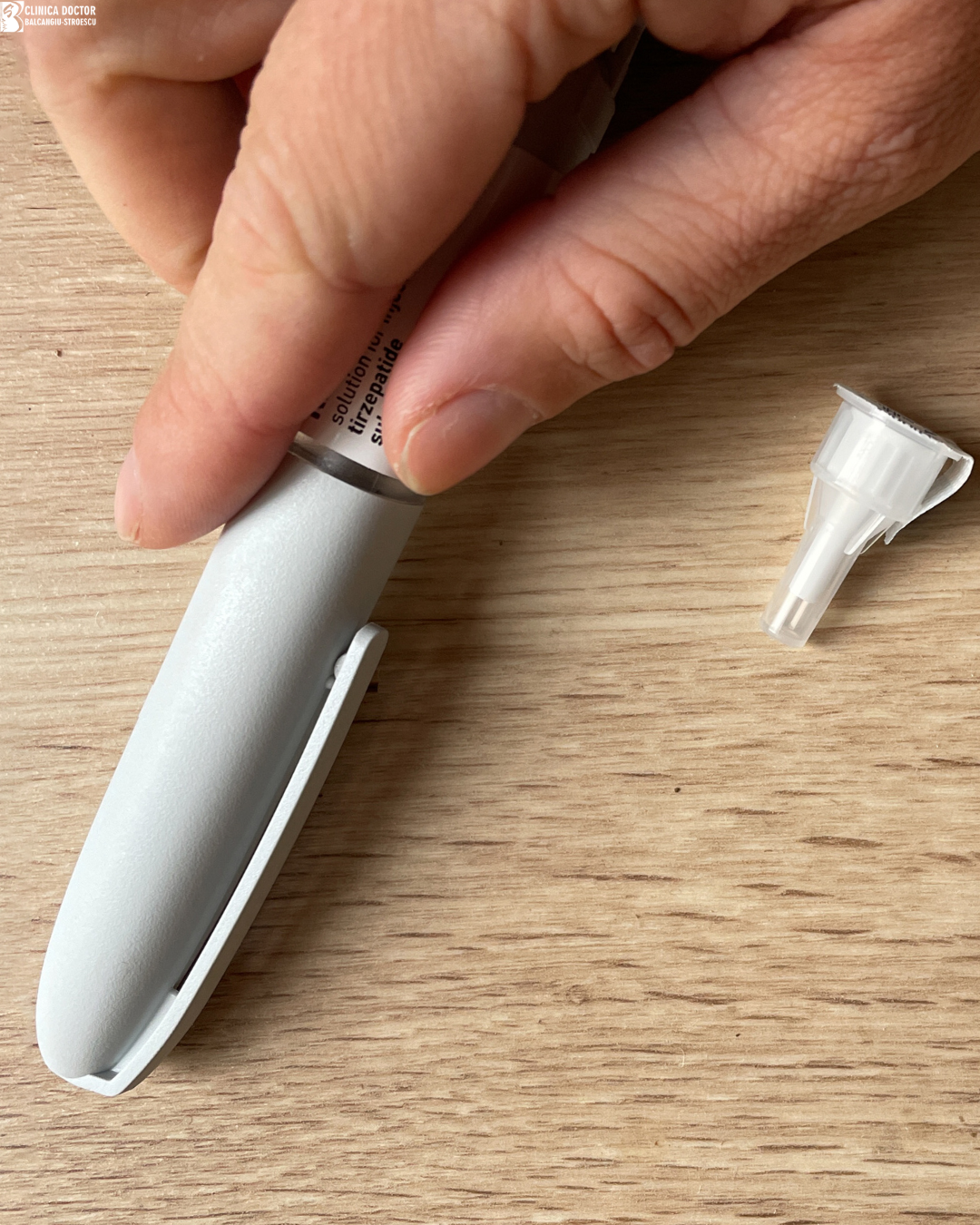
Tirzepatide is an injectable medication administered once weekly, which acts as a dual agonist of GIP (glucose-dependent insulinotropic polypeptide) and GLP-1 (glucagon-like peptide-1) receptors.
This combined action produces several beneficial metabolic effects:
- reduces appetite
- increases satiety sensation
- slows gastric emptying
- improves glycemic control
- reduces caloric intake
Through these mechanisms, tirzepatide produces significant weight loss, demonstrated in clinical trials from the SURMOUNT program, where patients achieved on average body weight reduction of approximately 15–22%.
These results place tirzepatide among the most effective pharmacological therapies for obesity currently available.
When is tirzepatide indicated in obesity?
Pharmacological treatment of obesity is not indicated for every patient with excess weight. Prescription of weight loss medications should be made within a comprehensive medical evaluation, taking into account body mass index (BMI) and associated comorbidities.
In general, tirzepatide may be indicated in the following situations.
1. Obesity (BMI ≥ 30 kg/m²)
The main indication is in adult patients with:
BMI ≥ 30 kg/m²
In these cases, tirzepatide can be used as pharmacological treatment for body weight reduction, in combination with lifestyle modifications.
Patients with obesity frequently present:
- insulin resistance
- low-grade chronic inflammation
- metabolic dysfunction
Through its hormonal and metabolic mechanisms, tirzepatide can help correct these imbalances.
2. Overweight with comorbidities (BMI ≥ 27 kg/m²)
Tirzepatide may also be indicated in patients with overweight, if there are comorbidities associated with excess weight.
The criterion is:
BMI ≥ 27 kg/m² + at least one comorbidity
Among the most common comorbidities are:
- type 2 diabetes mellitus
- arterial hypertension
- dyslipidemia
- obstructive sleep apnea
- cardiovascular disease
- metabolic-associated fatty liver disease (MASLD)
- metabolic syndrome
In these situations, weight loss has a major impact on reducing cardiovascular and metabolic risk.
Patients who can benefit most from tirzepatide
In clinical practice, there are certain categories of patients in whom tirzepatide can have particular benefit.
Patients with obesity and type 2 diabetes mellitus
Tirzepatide has a powerful effect on glycemic control, reducing:
- fasting blood glucose
- postprandial blood glucose
- glycated hemoglobin (HbA1c)
Thus, in patients with type 2 diabetes and obesity, the medication can contribute simultaneously to:
- weight loss
- improvement in glycemic control
- reduction in cardiovascular risk
Patients with insulin resistance
Obesity is frequently associated with insulin resistance, which represents a central factor in the development of diabetes and metabolic syndrome.
Through its effects on glucose metabolism and on the secretion of incretin hormones (GLP-1 and GIP), tirzepatide contributes to:
- improvement in insulin sensitivity
- reduction in abnormally increased insulin secretion
- improvement in glucose metabolism
Patients in whom lifestyle interventions have been insufficient
Many patients with obesity try over the years multiple diets or weight loss programs, without achieving lasting results.
In these situations, pharmacological treatment can help with:
- reduction in persistent hunger sensation
- control of caloric intake
- maintenance of weight loss
It is important to understand that obesity is not just a matter of willpower, but involves complex biological mechanisms regulating appetite and metabolism.
How does tirzepatide integrate into obesity treatment?
Tirzepatide should not be viewed as an isolated solution, but as part of a comprehensive therapeutic plan.
Modern obesity management includes:
- complete metabolic evaluation
- nutritional counseling
- increased physical activity level
- behavioral interventions
- pharmacological treatment, when indicated
Regular medical monitoring is essential for:
- evaluation of treatment efficacy
- dose adjustment
- monitoring of potential adverse reactions
- establishment of therapeutic goals
What results can be achieved with tirzepatide?
Data from clinical studies show very promising results.
Patients treated with tirzepatide can achieve:
- body weight loss of 15–22% of body weight
- reduction in abdominal circumference
- improvement in lipid profile
- decrease in blood pressure
- improvement in glycemic control
These effects contribute to reduction in overall cardiometabolic risk.
Conclusion
Tirzepatide represents one of the most modern and effective pharmacological therapies for obesity treatment.
The main indication is in patients with:
- BMI ≥ 30 kg/m², or
- BMI ≥ 27 kg/m² in the presence of comorbidities associated with excess weight.
Treatment must be integrated into a comprehensive medical approach, which includes lifestyle modifications, metabolic monitoring, and individualized therapeutic goals.
For patients with obesity and increased metabolic risk, tirzepatide can represent an important tool in weight reduction and in prevention of long-term complications.