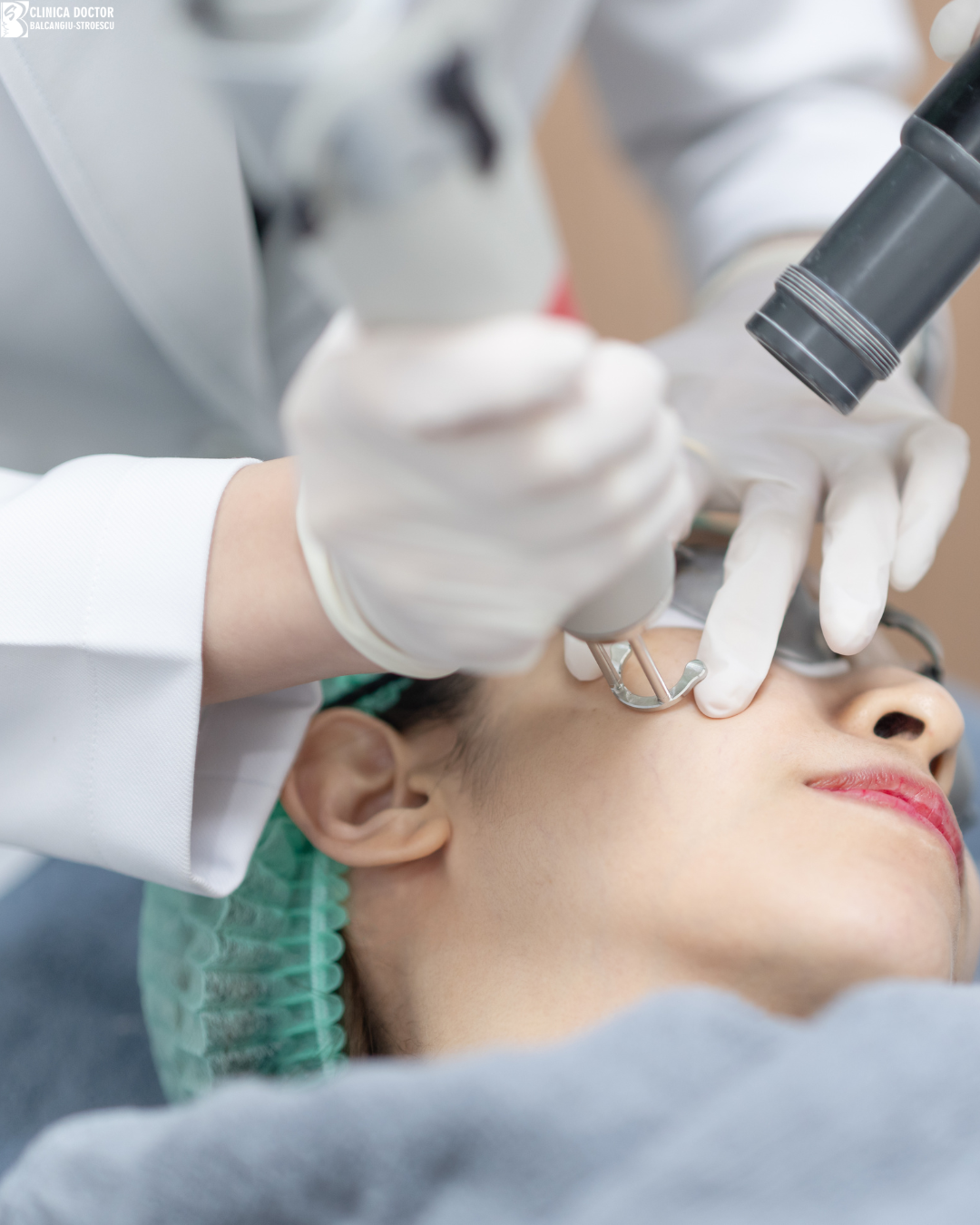
Facial laser rejuvenation is a modern, non-invasive or minimally invasive procedure used to improve skin appearance, reduce wrinkles, and stimulate collagen production.
It is one of the most effective methods for achieving smoother, brighter, and more youthful-looking skin without surgical intervention.
What is facial laser rejuvenation
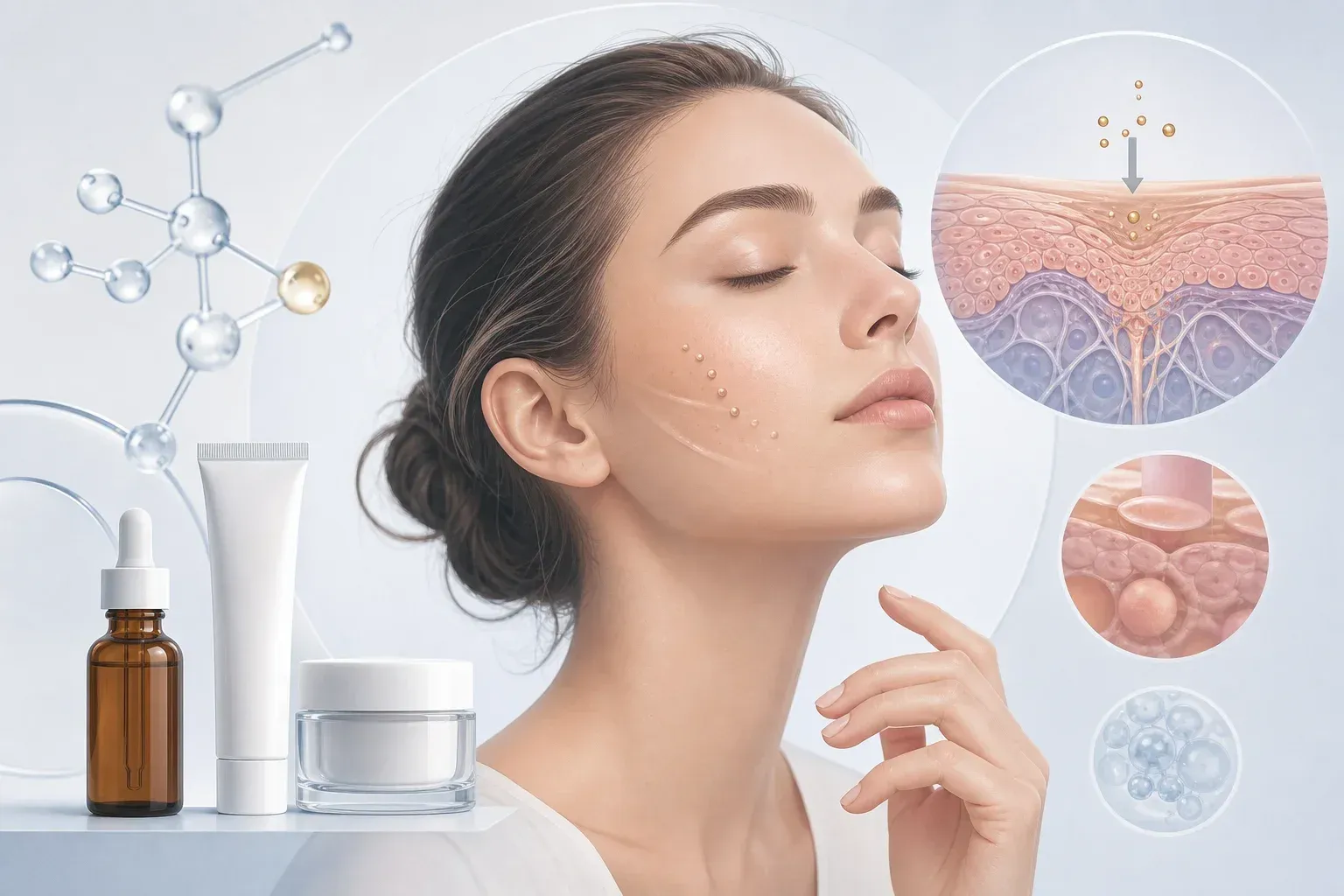
Facial laser rejuvenation involves using laser energy to stimulate skin regeneration.
👉 The laser works by:
- stimulating collagen production
- improving skin texture
- reducing fine wrinkles
- evening out skin tone
What it is recommended for
The procedure is effective for:
- fine wrinkles
- enlarged pores
- improvement of skin laxity
- pigmentation spots
- post-acne scars
- uneven texture
How it works
The laser creates controlled micro-injuries to the skin, which triggers:
- activation of regeneration processes
- production of collagen and elastin
- restoration of skin structure
👉 Results appear progressively as the skin regenerates.
How the procedure is performed
It generally takes between 20 and 40 minutes.
- Skin cleansing
- Application of anesthetic cream (sometimes)
- Application of laser
- Application of soothing product
👉 The procedure is well tolerated by most patients.
When do results appear
- skin may be slightly red immediately after the procedure
- visible improvements in 1–2 weeks
- optimal results after multiple sessions
👉 Collagen continues to be produced in the following months.
Instructions before the procedure
For optimal results:
2 weeks before:
- avoid sun exposure
- avoid tanning
A few days before:
- avoid retinol and exfoliating acids
- avoid aggressive procedures
Instructions after laser rejuvenation
For proper recovery:
In the first few days:
- apply soothing cream
- avoid sun
- use SPF 50
In the first 5–7 days:
- avoid makeup (if skin is sensitive)
- avoid irritating products
- avoid sauna and excessive heat
Reactions after the procedure
It is normal to experience:
- redness
- slight burning sensation
- mild flaking
- sensitivity
👉 These are temporary.
Who is NOT a suitable candidate
The procedure is not recommended:
- during pregnancy
- in active skin infections
- on recently tanned skin
- in certain dermatological conditions
💡 Advantages of laser rejuvenation
- stimulates natural collagen
- improves skin texture
- progressive and natural results
- results without surgical intervention
❓ Frequently asked questions (FAQ)
Is the procedure painful?
Discomfort is mild and manageable.
How many sessions are needed?
Usually 2–4 sessions.
How long is the recovery?
From a few days to a week, depending on the laser type.
Are results permanent?
Not completely, but they are long-lasting with maintenance.
When to see a doctor
A consultation is recommended if:
- you have skin texture problems
- you have spots or fine wrinkles
- you want non-invasive rejuvenation
📞 Schedule your evaluation
For a personalized plan and selection of the appropriate laser type:
👉 Schedule a consultation for recommendations tailored to your needs.