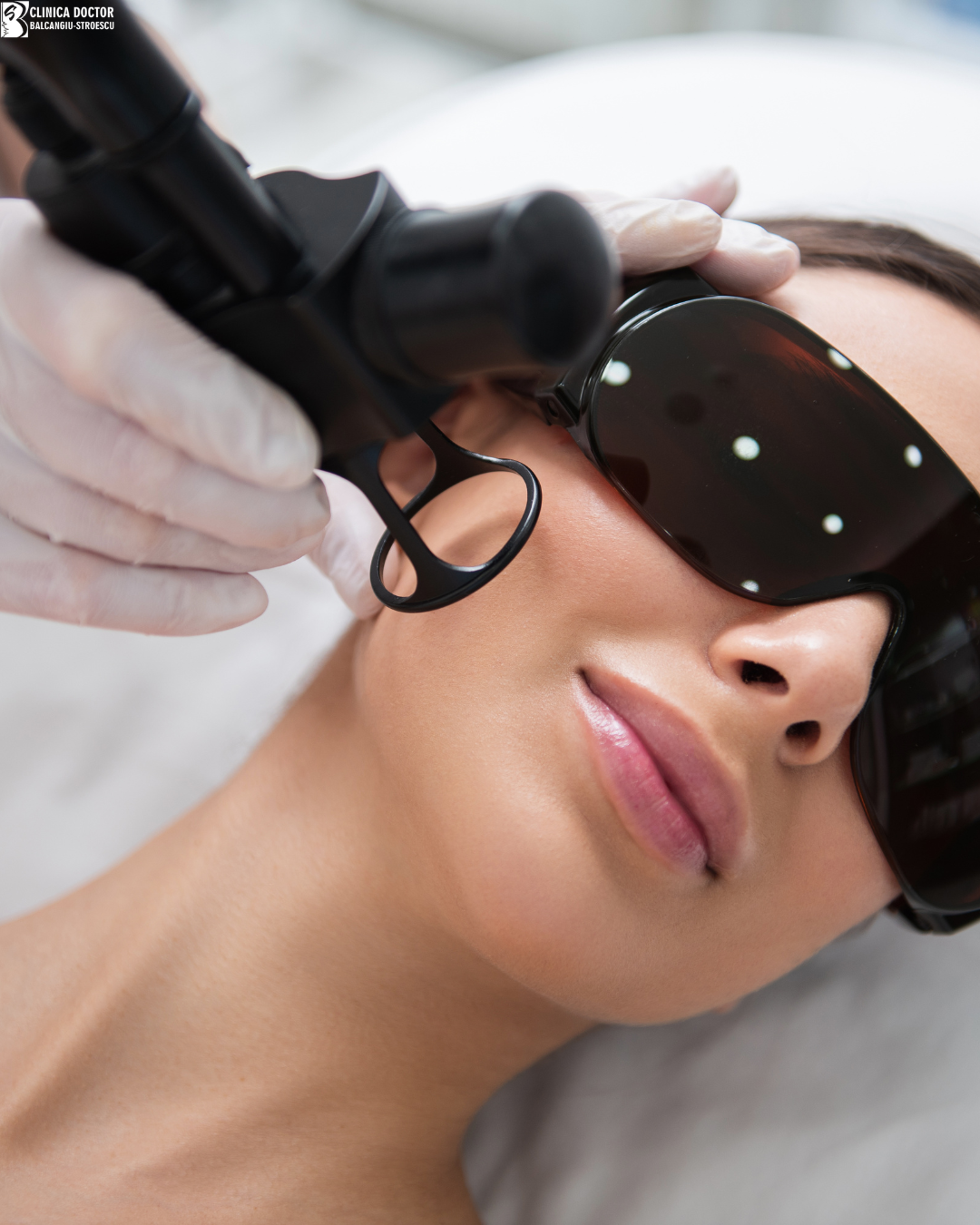
What is CO2 laser
CO2 laser (carbon dioxide) is a type of ablative laser that acts on superficial and deep layers of the skin.
It:
- removes affected skin layers
- stimulates collagen production
- promotes tissue regeneration
What it is recommended for
CO2 laser is effective for:
- moderate and deep wrinkles
- post-acne scars
- pigmentation spots
- dilated pores
- skin laxity
- uneven skin texture
How it works
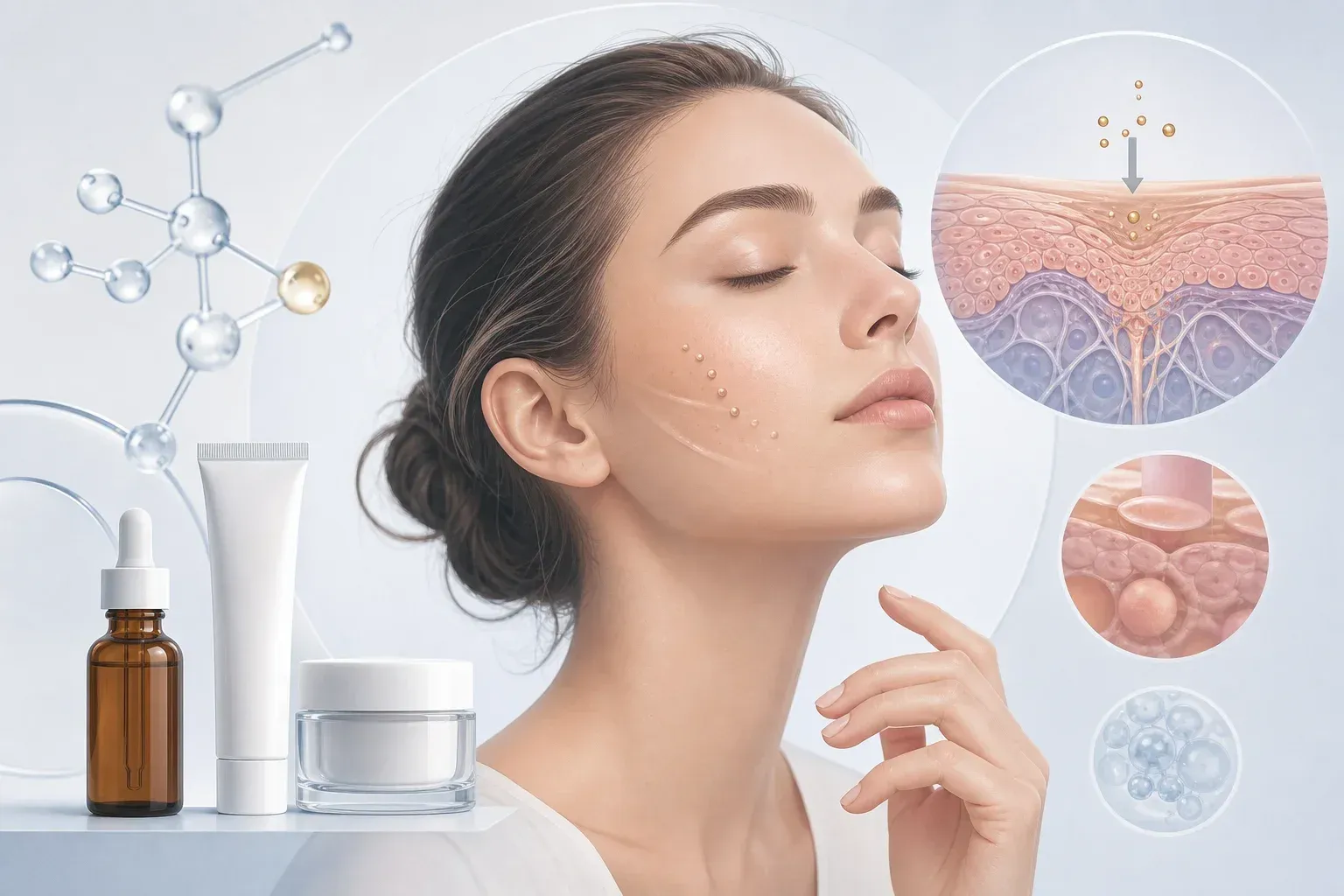
The laser creates micro-columns of energy in the skin, which:
- destroy affected tissue
- stimulate regeneration
- increase collagen production
The skin gradually repairs itself, becoming firmer and smoother.
How the procedure proceeds
The procedure takes between 30 and 60 minutes.
Steps:
- Skin cleansing
- Application of anesthetic cream
- CO2 laser treatment
- Application of soothing product
You may feel a sensation of heat or slight burning, both normal after treatment.
Recovery and results
Recovery is more intense compared to other lasers.
After the procedure:
- redness and edema (2–5 days)
- peeling (5–7 days)
- sensitive skin
Results:
- visible after 1–2 weeks
- continuous improvements over months
- long-lasting effects
Instructions before the procedure
For safety:
2–4 weeks before:
- avoid sun exposure
- avoid tanning
A few days before:
- avoid retinol and acids
- avoid aggressive procedures
Instructions after CO2 laser
Following them is essential:
In the first days:
- apply soothing and repair creams
- avoid touching the skin
- completely avoid the sun
In the following weeks:
- use SPF 50 daily
- avoid irritating products
- avoid skin exfoliation
Reactions after the procedure
It is normal to experience:
- intense redness
- burning sensation
- peeling
- sensitivity
These are part of the healing process.
Who is NOT a suitable candidate
The procedure is not recommended:
- during pregnancy
- during active skin infections
- on tanned skin
- in certain dermatological conditions
Advantages of CO2 laser
- visible and deep results
- intense collagen stimulation
- effective for scars and wrinkles
- long-term rejuvenation effect
Disadvantages
- longer recovery period
- requires strict adherence to instructions
- may require social downtime for a few days
❓ Frequently Asked Questions (FAQ)
Is the procedure painful?
Local anesthesia is used; discomfort is manageable.
How long is the recovery?
Between 5 and 10 days, depending on intensity.
How many sessions are needed?
Sometimes one session is sufficient, sometimes 2–3.
Are the results permanent?
Not completely, but they are long-lasting.
🩺 When to choose CO2 laser
It is suitable if:
- you have deeper scars or wrinkles
- you want visible and rapid results
- other treatments have not been effective
📞 Book an evaluation appointment
For the correct choice of laser type and treatment intensity:
👉 Book a consultation and a personalized plan.