Obesity treatment does not simply mean "a diet", but rather a complex medical process that involves evaluation, tests, and a personalized plan.
Proper preparation before starting treatment is essential for achieving safe and sustainable results.
Why is initial evaluation important
Before starting any weight loss treatment, it is necessary to:
- identify the cause of weight gain
- evaluate metabolic risks
- establish realistic objectives
👉 Each patient needs a different plan.
Recommended tests before treatment
For a complete evaluation, the physician may recommend:
- blood glucose and glycated hemoglobin (HbA1c)
- complete lipid profile
- liver function
- kidney function
- thyroid function
- inflammatory profile
- vitamin and mineral levels
- insulin (in some cases)
👉 These help identify metabolic imbalances and potential micronutrient deficiencies.
Body composition assessment
The number on the scale is not enough. It is important to evaluate:
- body fat percentage
- muscle mass
- fat distribution
👉 This information influences treatment.
Lifestyle analysis
The physician will discuss with you:
- eating habits
- meal timing
- level of physical activity
- sleep and stress
👉 These aspects are essential for success.
Evaluation of current treatments
It is important to mention:
- medications you are taking (name, dose, route of administration)
- dietary supplements
👉 Some can influence weight or metabolism.
Setting realistic goals
A correct objective is NOT:
❌ "I want to lose weight quickly"
👉 but rather:
✔ gradual and sustainable
✔ improvement in metabolic health
Common mistakes before starting treatment
- starting restrictive diets without evaluation
- following advice from the internet
- unrealistic expectations
- lack of medical monitoring
Types of obesity treatment
Depending on the case, treatment may include:
- lifestyle modifications
- nutritional counseling
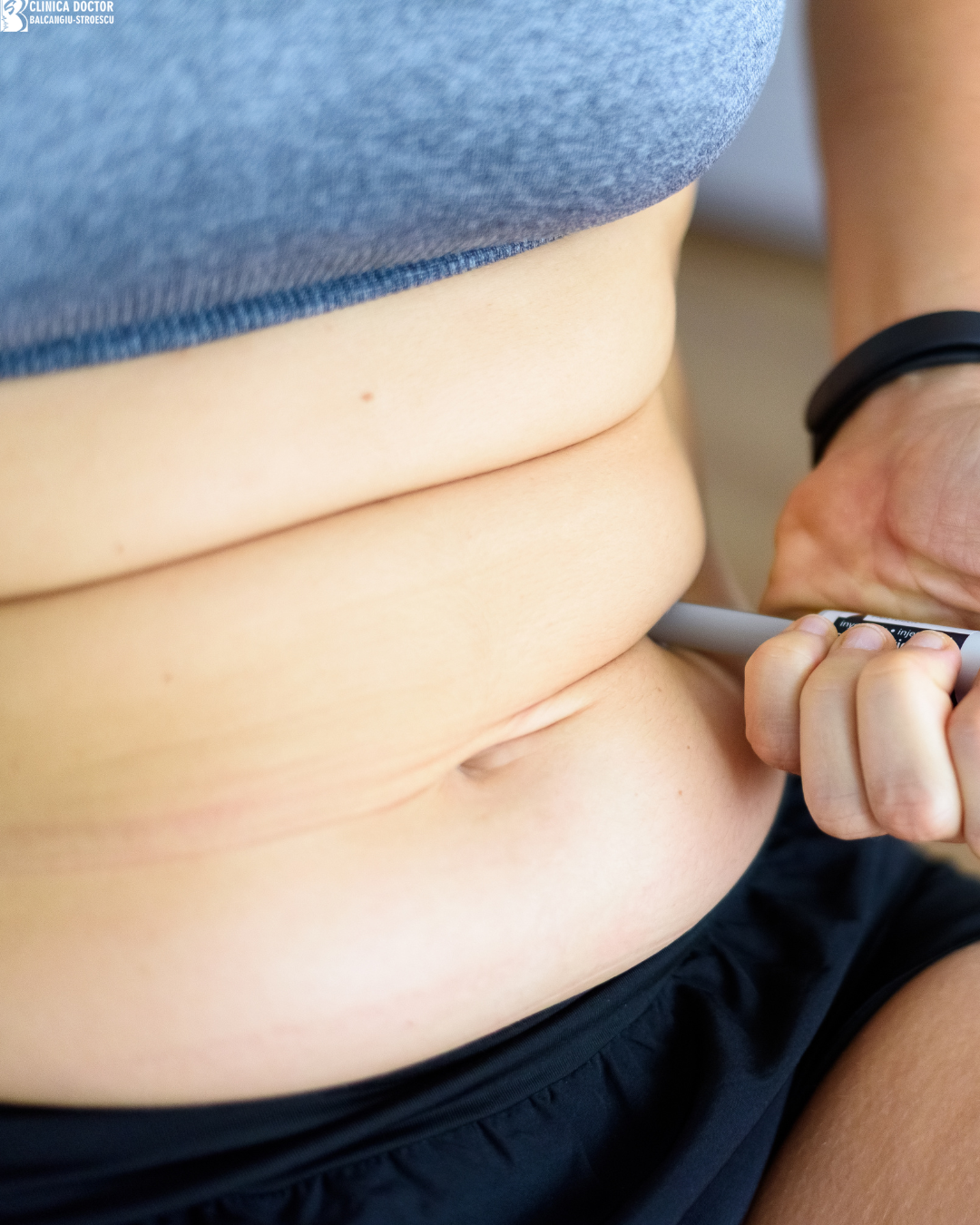
- pharmacological treatment
- metabolic monitoring
Helpful tips before you start
- come prepared with your most recent tests (performed within the last 3 months)
- be honest in your discussion with the physician
- write down your objectives
- be patient – sustainable results require time
❓ Frequently Asked Questions (FAQ)
Do I need to do tests before treatment?
Yes, they are essential for safety and to establish the correct baseline.
How quickly is it healthy to lose weight?
On average 0.5–1 kg per week.
Is pharmacological treatment necessary?
It depends on each case.
When to see a physician
Schedule an appointment if:
- you have an elevated BMI (> 25 kg/m²)
- you have difficulty losing weight
- you have diabetes or metabolic risk
- you want a medically supervised weight loss process with special attention to improving metabolic and inflammatory parameters
📞 Schedule your evaluation
For a personalized obesity treatment plan:
👉 Schedule a diabetology and metabolic consultation.