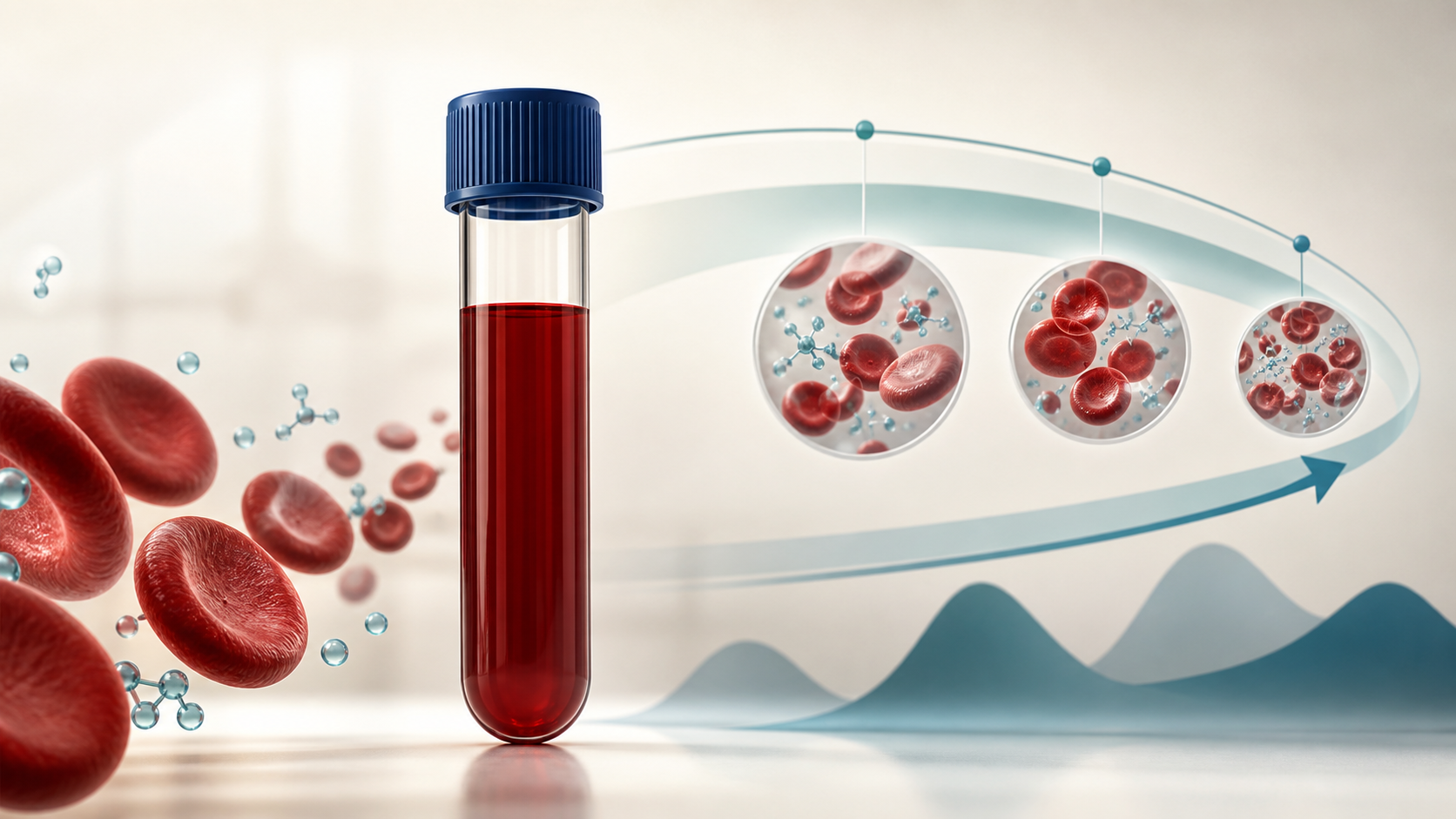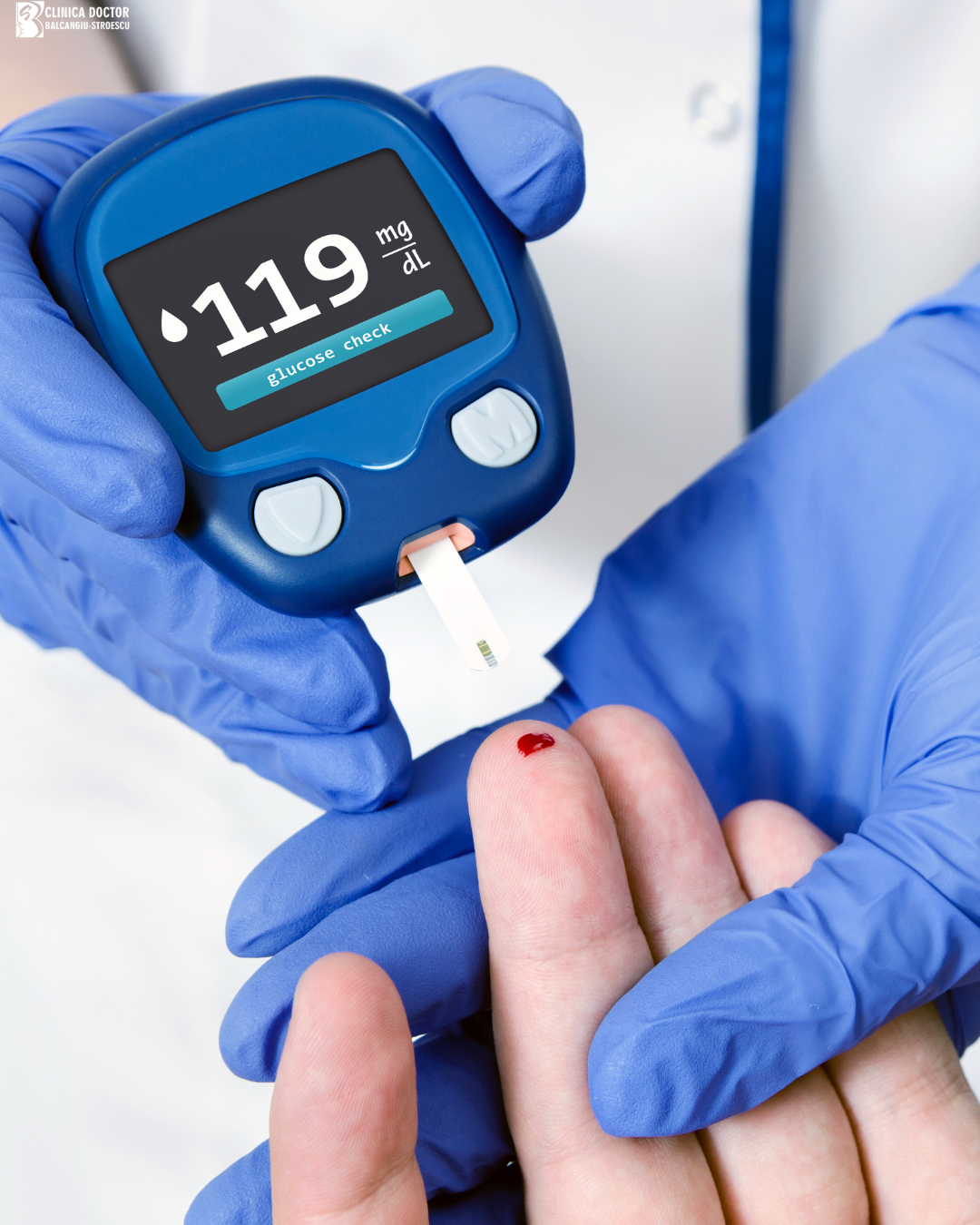
Prediabetes is a metabolic condition in which blood glucose level is higher than normal, but not high enough to meet the diagnostic criteria for diabetes mellitus. This stage is very important because it represents a warning signal that the body is beginning to have difficulties in regulating blood glucose.
The good news is that prediabetes can often be reversible. Through lifestyle modifications and medical monitoring, the risk of progression to type 2 diabetes mellitus can be significantly reduced.
This guide provides useful information for patients diagnosed with prediabetes and for people who wish to prevent the onset of diabetes.
What is prediabetes
Prediabetes occurs when the body begins to develop insulin resistance, which means that cells no longer respond efficiently to the action of insulin.
Insulin is the hormone that helps glucose from the blood to enter cells to be used as an energy source. When this mechanism does not work properly, blood glucose levels begin to rise.
At this stage, the pancreas still produces insulin, but the body no longer uses it efficiently. If no action is taken, prediabetes can evolve over time into type 2 diabetes mellitus.
Blood glucose values in prediabetes
The diagnosis of prediabetes is based on certain blood glucose values measured through blood tests.
Fasting blood glucose
Blood glucose measured in the morning on an empty stomach can have the following values:
- below 100 mg/dl – normal values
- between 100 and 125 mg/dl – prediabetes
- above 126 mg/dl – possible diabetes
Glycated hemoglobin (HbA1c)
Glycated hemoglobin reflects the average blood glucose over the past 2–3 months.
Indicative values are:
- below 5.7% – normal
- between 5.7% and 6.4% – prediabetes
- above 6.5% – diabetes
Glucose tolerance test
This test evaluates how the body processes glucose after ingestion of a standardized glucose solution.
Values after two hours may indicate:
- below 140 mg/dl – normal
- between 140 and 199 mg/dl – prediabetes
- above 200 mg/dl – diabetes
Risk factors for prediabetes
There are several factors that can increase the risk of developing prediabetes.
These include:
- overweight or obesity
- sedentary lifestyle
- family history of diabetes
- arterial hypertension
- elevated cholesterol or triglycerides
- gestational diabetes in medical history
- age over 45 years
People who have these risk factors should have their blood glucose checked periodically.
How can diabetes be prevented
Prediabetes represents an important opportunity to prevent the onset of type 2 diabetes mellitus.
Adoption of simple measures can significantly reduce the risk of disease progression.
Weight loss
In overweight or obese people, reduction of body weight is one of the most efficient methods of preventing diabetes.
Even a loss of 5–10% of body weight can have a positive impact on blood glucose.
Balanced diet
A healthy diet plays an essential role in diabetes prevention.
It is recommended:
- consumption of vegetables and fiber-rich foods
- choosing whole grains
- reducing sugar and sweets
- avoiding sweetened beverages
- limiting ultra-processed foods
These changes can improve insulin sensitivity.
Physical activity
Regular physical exercise helps the body use blood glucose more efficiently.
It is recommended at least 150 minutes of moderate physical activity per week.
Recommended activities include:
- brisk walking
- swimming
- cycling
- light aerobic exercises
Physical activity also contributes to weight control and reduction of cardiovascular risk.
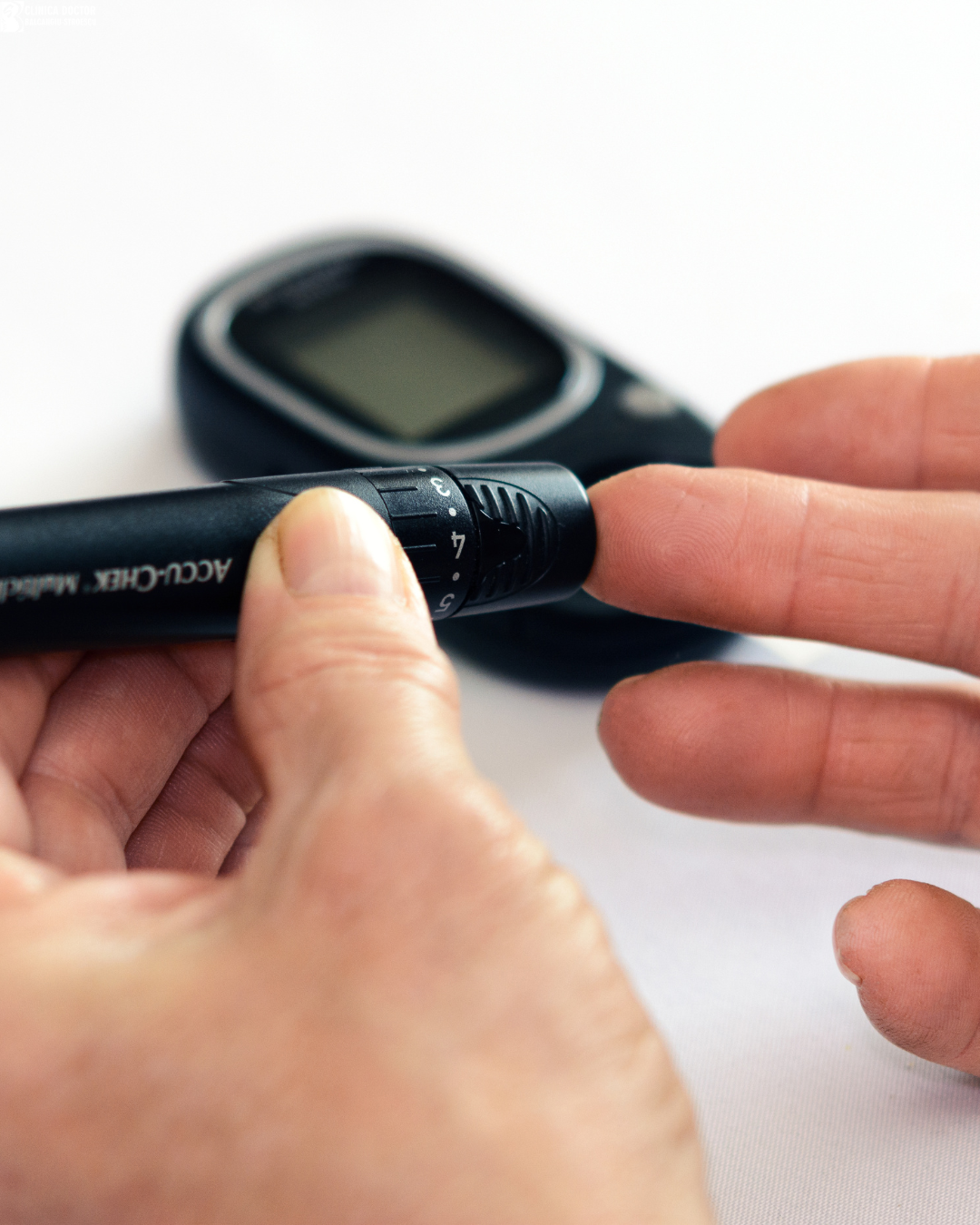
Blood glucose monitoring
People with prediabetes should have their blood glucose monitored periodically.
The doctor may recommend:
- fasting blood glucose
- glycated hemoglobin
- other metabolic tests
Regular monitoring allows evaluation of blood glucose progression and adaptation of medical recommendations.
Importance of medical check-ups
Regular medical consultation is important for assessing health status and preventing progression to diabetes.
The doctor can provide personalized recommendations regarding:
- diet
- physical activity
- blood glucose monitoring
- other preventive measures
Conclusion
Prediabetes represents a warning signal that the body is beginning to have difficulties in regulating blood glucose. However, this stage provides the opportunity to prevent the onset of type 2 diabetes mellitus.
Adoption of a healthy lifestyle, which includes balanced diet, regular physical activity, and blood glucose monitoring, can significantly reduce the risk of diabetes.
To assess your risk and receive personalized recommendations, a medical evaluation in a specialty consultation is advised.