
Obesity is a chronic condition characterized by excessive accumulation of body fat, which can affect health and may increase the risk of developing many metabolic and cardiovascular diseases.
This health problem is increasingly common globally and can occur at any age. Obesity is not just an aesthetic problem, but a complex condition that requires medical evaluation and a personalized treatment plan.
Management of obesity involves lifestyle modifications, medical monitoring, and in some cases, medical treatment or other interventions.
What is obesity
Obesity occurs when caloric intake exceeds the organism's energy expenditure over a prolonged period of time.
The excess energy is stored as fat, which leads to weight gain.
To assess obesity, body mass index (BMI) is frequently used.
The BMI formula is:
BMI = weight (kg) / height² (m)
Guideline values are:
- below 18.5 – underweight
- 18.5–24.9 – normal weight
- 25–29.9 – overweight
- over 30 – obesity
Causes of obesity
Obesity is a multifactorial condition and can have multiple causes.
High-calorie diet
Frequent consumption of foods rich in calories, sugar, and fats can contribute to weight gain.
Physical inactivity
Lack of physical activity reduces energy expenditure and promotes accumulation of body fat.
Genetic factors
Genetic predisposition can influence the way the organism stores fat.
Hormonal factors
Certain hormonal conditions can contribute to weight gain.
Psychological factors
Stress, anxiety, or eating disorders can influence eating behavior.
Health risks
Obesity increases the risk of developing many conditions.
The most common include:
- type 2 diabetes mellitus
- arterial hypertension
- cardiovascular diseases
- dyslipidemia (elevated cholesterol)
- sleep apnea
- joint disorders
Reducing body weight can help decrease the risk of these complications.
Principles for weight loss
Weight loss should be achieved gradually and in a healthy manner.
Balanced diet
Adopting a healthy eating regimen is essential.
It is recommended:
- increased consumption of vegetables and fiber
- choice of lean proteins
- reduction of sugar and sweets
- limiting ultra-processed foods
- avoiding sweetened beverages
Distributing meals into several meals throughout the day, at approximately the same times, can help maintain appetite control.
Physical activity
Physical activity is an important element in obesity management.
Physical exercises contribute to:
- increased energy expenditure
- improved metabolism
- maintenance of muscle mass
At least 150 minutes of moderate physical activity per week is recommended, such as walking, swimming, or cycling.
Weight monitoring
Periodic weight monitoring can help assess progress and maintain motivation.
It is also useful to evaluate other parameters such as:
- abdominal circumference
- blood pressure
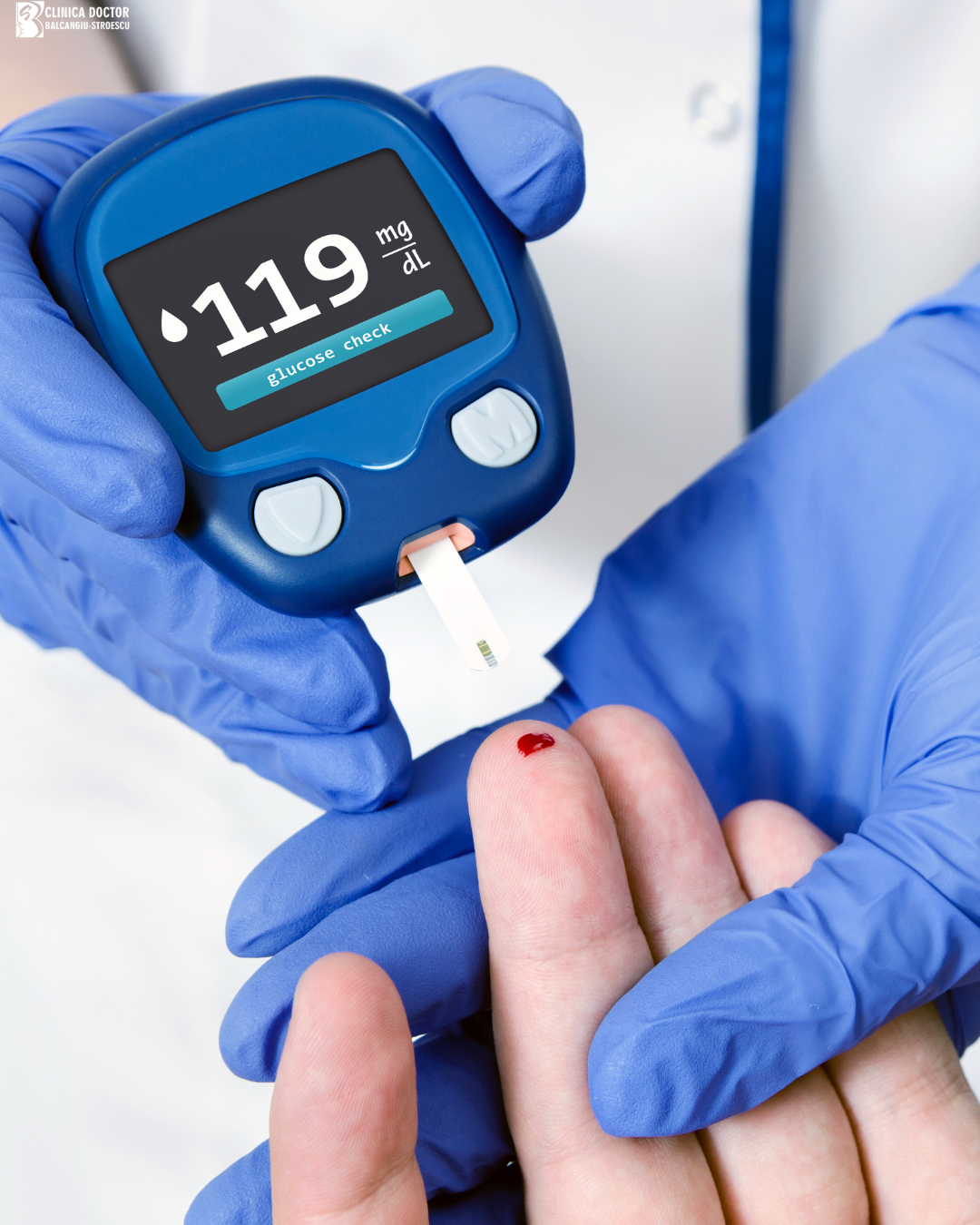
- blood glucose
- lipid profile
These values provide important information about metabolic health status.
Medical treatment of obesity
In some situations, lifestyle modifications can be complemented by medical treatment.
The doctor may recommend:
- medical treatment for weight control
- nutritional counseling
- comprehensive metabolic evaluation
The treatment plan is adapted to each patient.
Recommendations for weight maintenance
After weight loss, maintaining results is equally important.
It is recommended:
- maintenance of an active lifestyle
- balanced diet
- periodic weight monitoring
- regular medical check-ups
Conclusion
Obesity is a complex condition that can affect overall health. Through adoption of a healthy lifestyle and medical monitoring, body weight can be reduced and the risk of complications can be diminished.
Weight loss of even 5–10% of body weight can bring significant health benefits.
To evaluate health status and establish a personalized weight management plan, specialist medical consultation is recommended.