Pregnancy represents a period of profound metabolic adaptation. Nutritional needs change, and dietary intervention becomes a central element in supporting fetal development, maintaining maternal health, and preventing complications.
Nutritional recommendations in pregnancy must be scientifically founded, in accordance with international guidelines and updated scientific literature, and adapted to the individual metabolic profile of each patient.
Individualization of caloric and weight intake
Energy intake in pregnancy is not standardized but adjusted based on body mass index prior to conception.
Optimal weight gain is correlated with initial nutritional status, avoiding both excessive caloric deficit and uncontrolled weight gain, both associated with maternal-fetal risks.
Weight loss during pregnancy is not recommended; however, in overweight or obese patients, a moderate caloric deficit may be instituted under strict medical supervision.
Balance of macronutrients
Proteins – support for fetal development
Protein requirements increase progressively throughout pregnancy, being essential for fetal growth, placental development, and maternal adaptations.
Recommendations include:
· lean protein sources, well-cooked
· fish low in mercury
· well-cooked eggs
· pasteurized dairy products
· integration of plant-based proteins
Raw or insufficiently cooked foods are strictly avoided, as well as fish species with increased mercury content.
Lipids – quality before quantity
Fats should represent 20–35% of total caloric intake, with limitation of saturated and trans fats.
An adequate intake of polyunsaturated fatty acids, particularly DHA, is essential for the development of the retina and fetal central nervous system.
Consumption of lean fatty fish low in mercury 2–3 times per week can meet DHA requirements in most cases.
Carbohydrates – metabolic stability
The recommended carbohydrate intake in pregnancy ensures prevention of ketosis and maintenance of adequate blood glucose.
Recommendations include:
· whole grains
· legumes
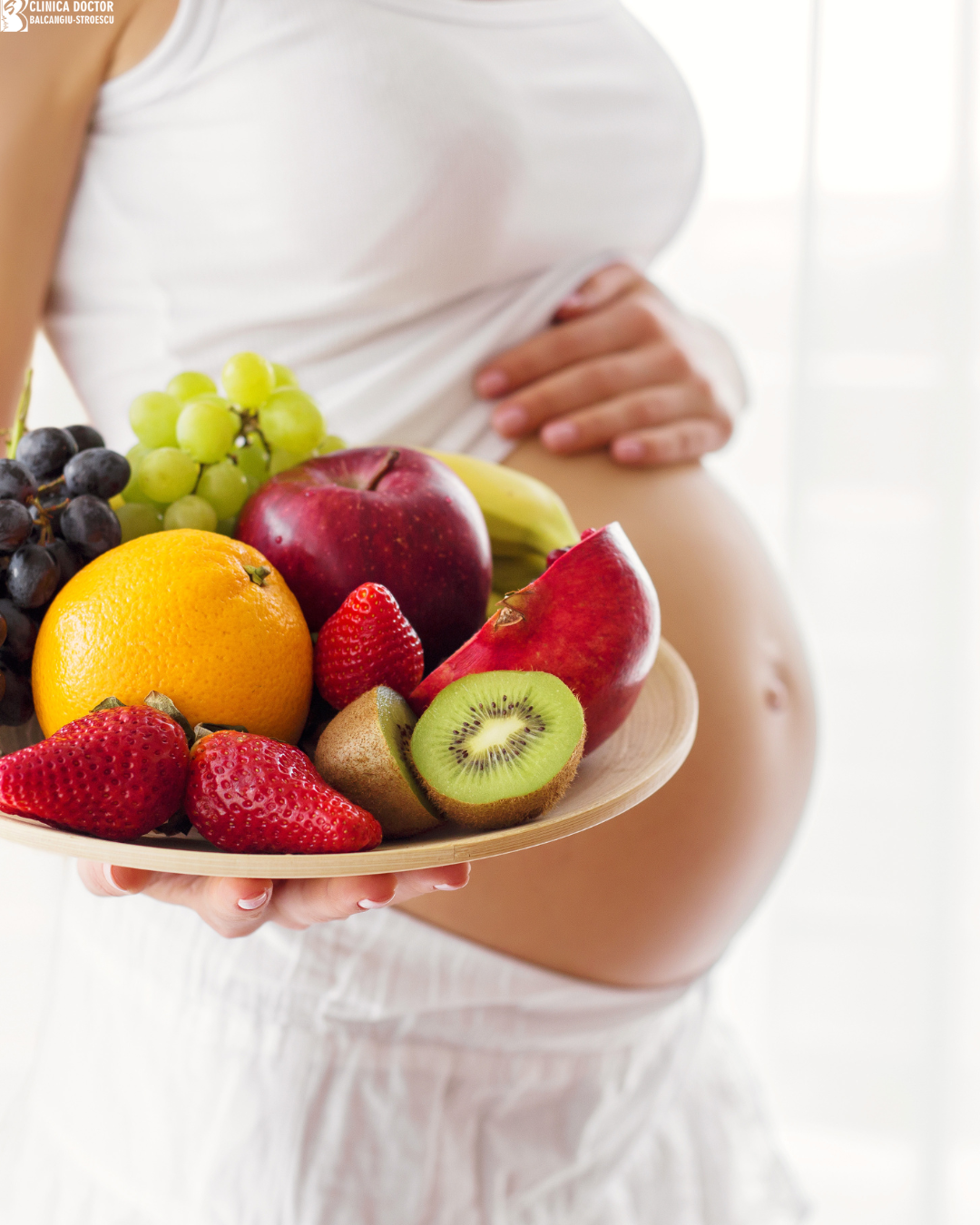
· whole vegetables and fruits
· low glycemic index foods
Simple sugars and highly processed foods are limited.
Essential micronutrients
The preconceptional period and pregnancy require particular attention to:
· folic acid
· vitamin D
· iron
· calcium
· magnesium
· choline
· vitamin B12 (especially in vegetarian/vegan patients)
Supplementation is individualized based on biological tests and dietary profile.
Excessive vitamin A supplementation is contraindicated due to potential teratogenic effect.
Food safety in pregnancy
Avoid:
· raw meat or fish
· unpasteurized dairy products
· raw eggs
· fish with increased mercury content
· alcohol and tobacco
Adequate hydration and strict food hygiene are essential.
Personalized approach
Each patient benefits from:
· individual nutritional assessment
· personalized calculation of energy requirements
· dietary plan adapted to the trimester of pregnancy
· monitoring of weight gain
· adjustment of recommendations based on clinical progress
Clinical vision
Nutrition in pregnancy is not a list of prohibitions but a medical strategy for prevention and optimization of long-term health – for both mother and child.
Excellence in maternal care requires scientific rigor, personalization, and careful monitoring.