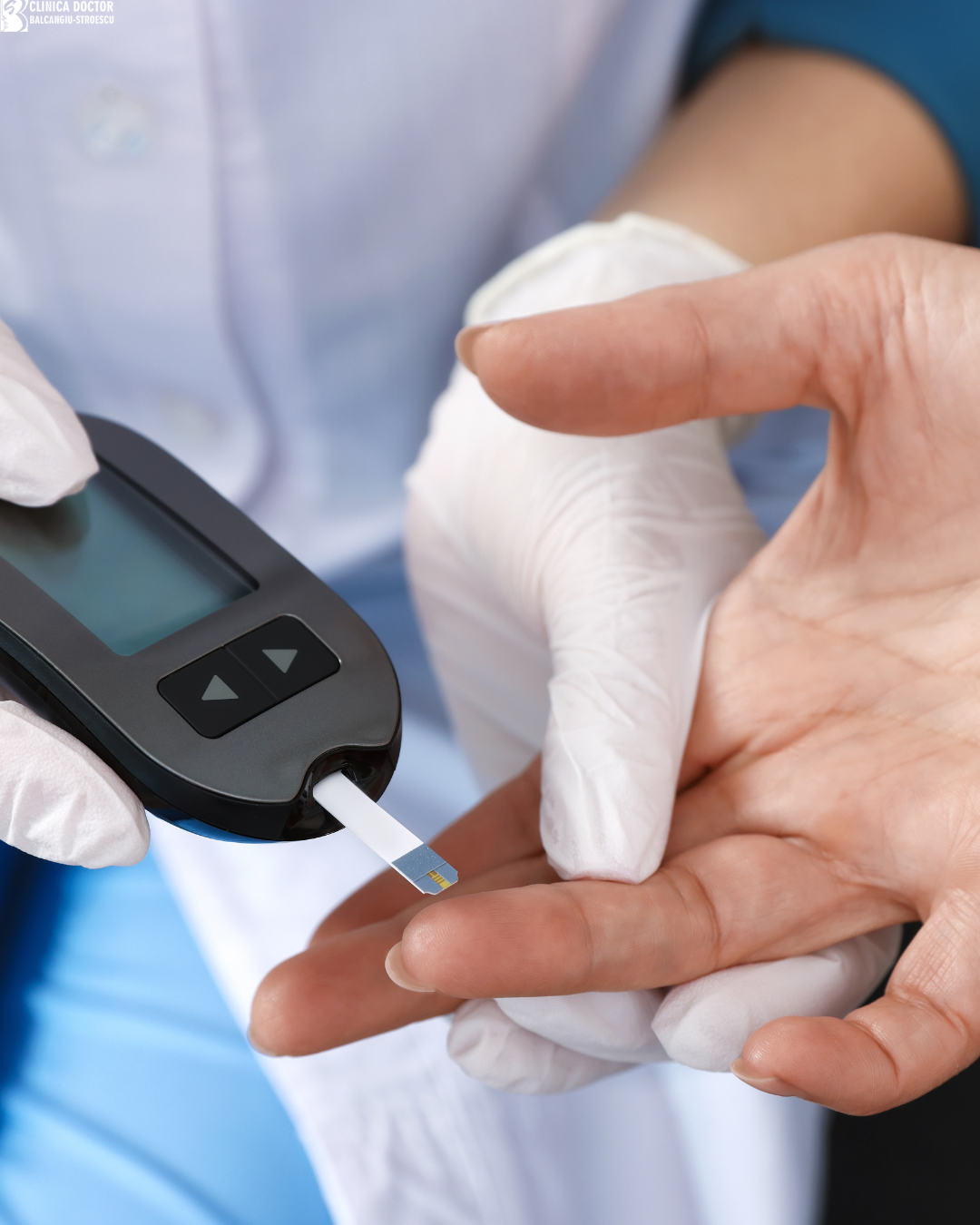
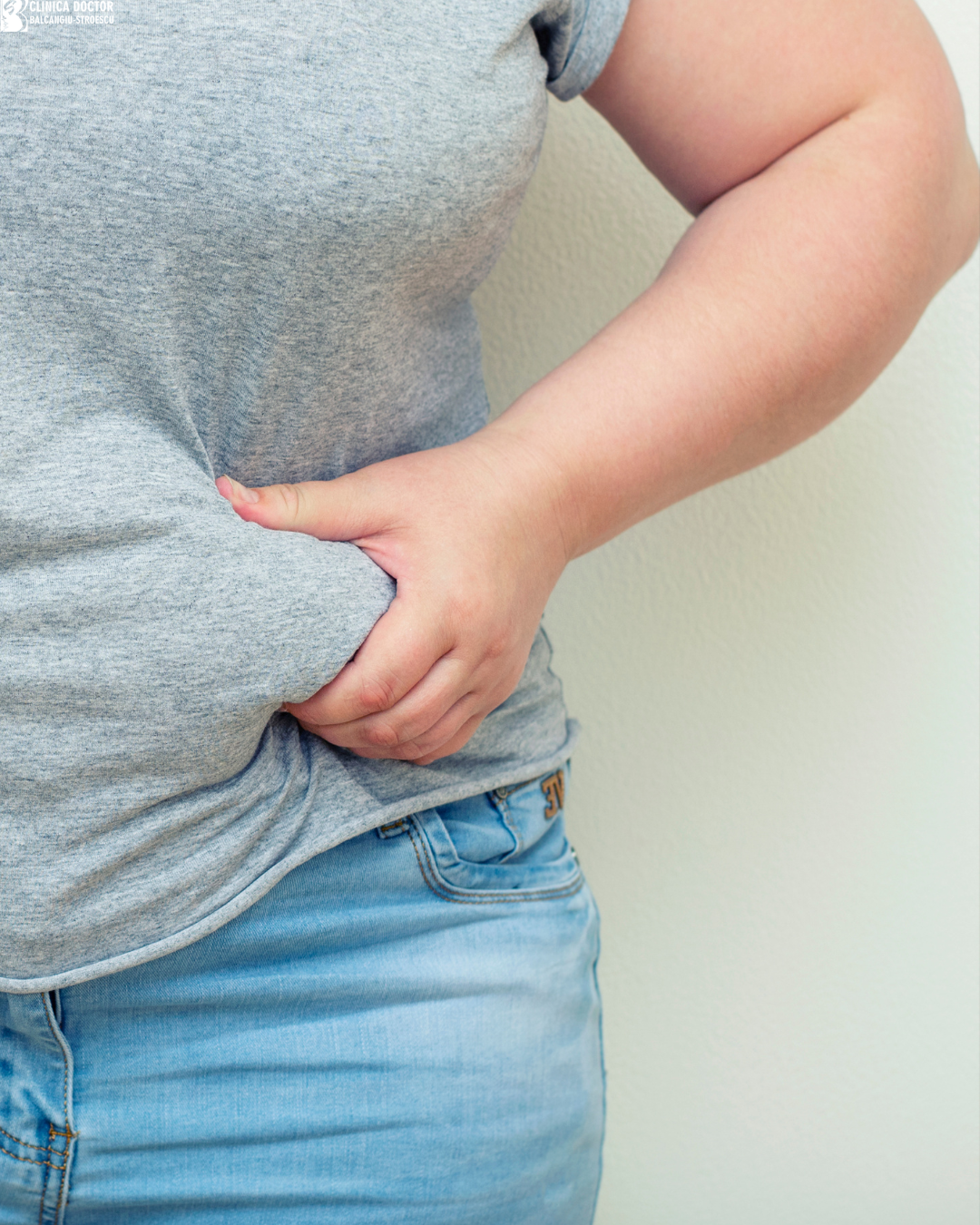
What happens in the body beyond the scale
Not all fat is the same. Visceral fat is the type that accumulates around internal organs, being the most metabolically active and the most harmful to health.
Why is visceral fat problematic?
- Promotes insulin resistance
- Increases the risk of diabetes and cardiovascular disease
- Sustains inflammation in the body
- Leads to hormonal imbalance
When the percentage of this type of fat decreases, inflammatory markers go down and overall health improves.
Where do muscles come in?
Muscles function as a true metabolic organ.
✔ Help regulate blood glucose
✔ Increase metabolism
✔ Burn fat, even at rest
✔ Produce substances with anti-inflammatory effects
The greater the muscle mass, the more efficient the body becomes at burning fat — including visceral fat.
Why does metabolism “slow down” during diets?
During restrictive diets, not only fat tissue is lost, but also muscle mass. If muscle loss is too great, metabolism decreases.
As a result, the body burns fewer calories, and after stopping the diet, weight is quickly regained — often as fat (the yo-yo effect).
That’s why it’s not enough to simply lose weight. It also matters where the weight is lost from.
What truly helps?
- Strength training (to preserve muscle mass)
- Adequate protein intake
- Monitoring body composition, not just weight
- Reducing visceral fat through personalized interventions
- In some cases, medications such as GLP-1 or GLP-1/GIP receptor agonists can be used to reduce visceral fat, but muscle mass must be preserved
A lesser-known aspect
Parents’ metabolic health before conception can influence a child’s risk of obesity. Reducing visceral fat and optimizing metabolism before pregnancy may have long-term beneficial effects.
Conclusion
It’s not just about the scale. It’s about the balance between visceral fat and muscle mass. Visceral fat sustains systemic inflammation, while muscle mass helps combat it.