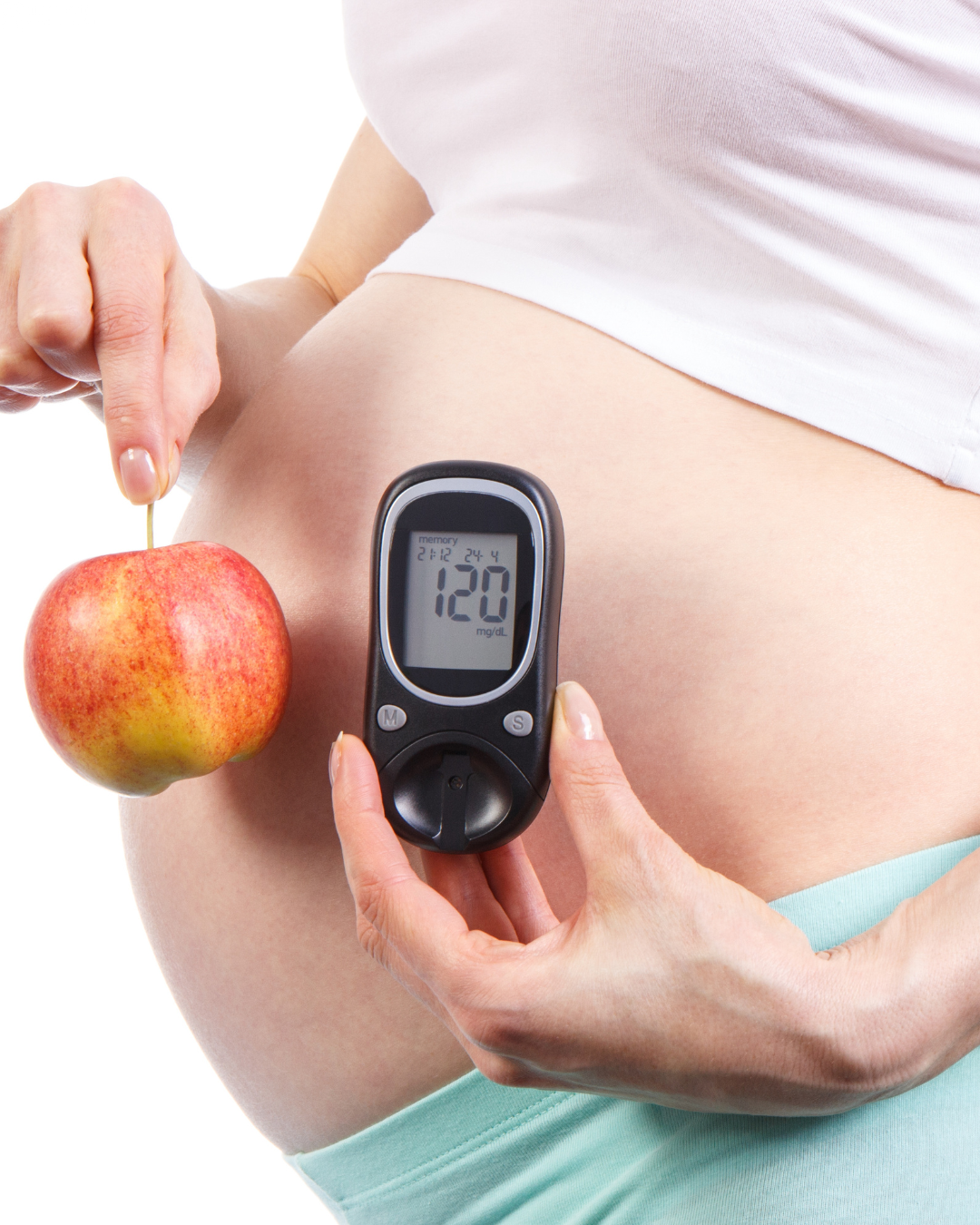
Pregnancy is a period of complex metabolic adaptation, and in the context of gestational diabetes, glycemic balance becomes a priority therapeutic objective.
Why is metabolic control essential during pregnancy?
Glycemic imbalances can influence:
· excessive fetal growth (macrosomia)
· risk of premature delivery
· obstetric complications
· subsequent metabolic predisposition of the child
Correct nutritional intervention significantly reduces these risks and optimizes pregnancy progression.
What are the correct steps for proper nutritional monitoring during pregnancy and gestational diabetes
1. Complex initial assessment
· analysis of preconception body mass index
· establishment of individual caloric requirements
· evaluation of glycemic profile
· identification of possible nutritional deficiencies
2. Personalized nutritional plan
The dietary plan is adapted to:
· trimester of pregnancy
· increased protein requirements
· controlled distribution of carbohydrates
· requirement of essential fatty acids (DHA)
· particularities of gestational diabetes
Safe foods are prioritized, adequately prepared thermally, with controlled glycemic index and adequate fiber intake.
3. Continuous monitoring
Monitoring includes:
· tracking weight gain
· adjustment of caloric intake based on progression
· monitoring of blood glucose levels
· recommendations adapted to treatment (dietary or insulin)
Intervention is dynamic, not static.
Micronutrient component
Special attention is given to supplementation and monitoring of:
· folic acid
· iron
· vitamin D
· calcium
· choline
· vitamin B12 (where applicable)
Supplementation is individualized, avoiding unnecessary or potentially harmful excess (such as vitamin A in large doses).
Food safety
Education regarding:
· avoidance of raw or insufficiently prepared foods
· selection of fish with low mercury content
· exclusive use of pasteurized dairy products
· adequate hydration
· complete elimination of alcohol and tobacco
What are the categories of patients requiring metabolic monitoring during pregnancy
· Pregnant women with gestational diabetes
· Women with type 1 or type 2 diabetes mellitus who are planning or have achieved pregnancy
· Women with increased metabolic risk
· Overweight or obese patients who are pregnant
Clinical vision
The main objective is not only glycemic control, but long-term metabolic protection of both mother and child.
Nutrition, when medically structured and carefully monitored, becomes an essential therapeutic tool in preventing obstetric and metabolic complications.
Excellence in maternal medicine means active prevention, precision, and personalization.