Diabetes mellitus is a chronic condition in which blood glucose levels are elevated because the body does not produce enough insulin or does not use it effectively.
Proper diabetes management is essential for preventing complications and maintaining a good quality of life. This guide provides useful information for patients diagnosed with diabetes mellitus.
What is diabetes mellitus
Diabetes mellitus occurs when the body can no longer maintain blood glucose within normal limits.
Insulin is the hormone that allows glucose from the blood to enter cells, where it is used for energy. In diabetes:
- either the pancreas no longer produces insulin at all
- or the body does not respond appropriately to insulin (insulin resistance), and the pancreas can no longer produce enough
The most common forms are:
- type 1 diabetes mellitus
- type 2 diabetes mellitus
Blood glucose values in diabetes
Diagnosis and monitoring of diabetes is based on blood tests.
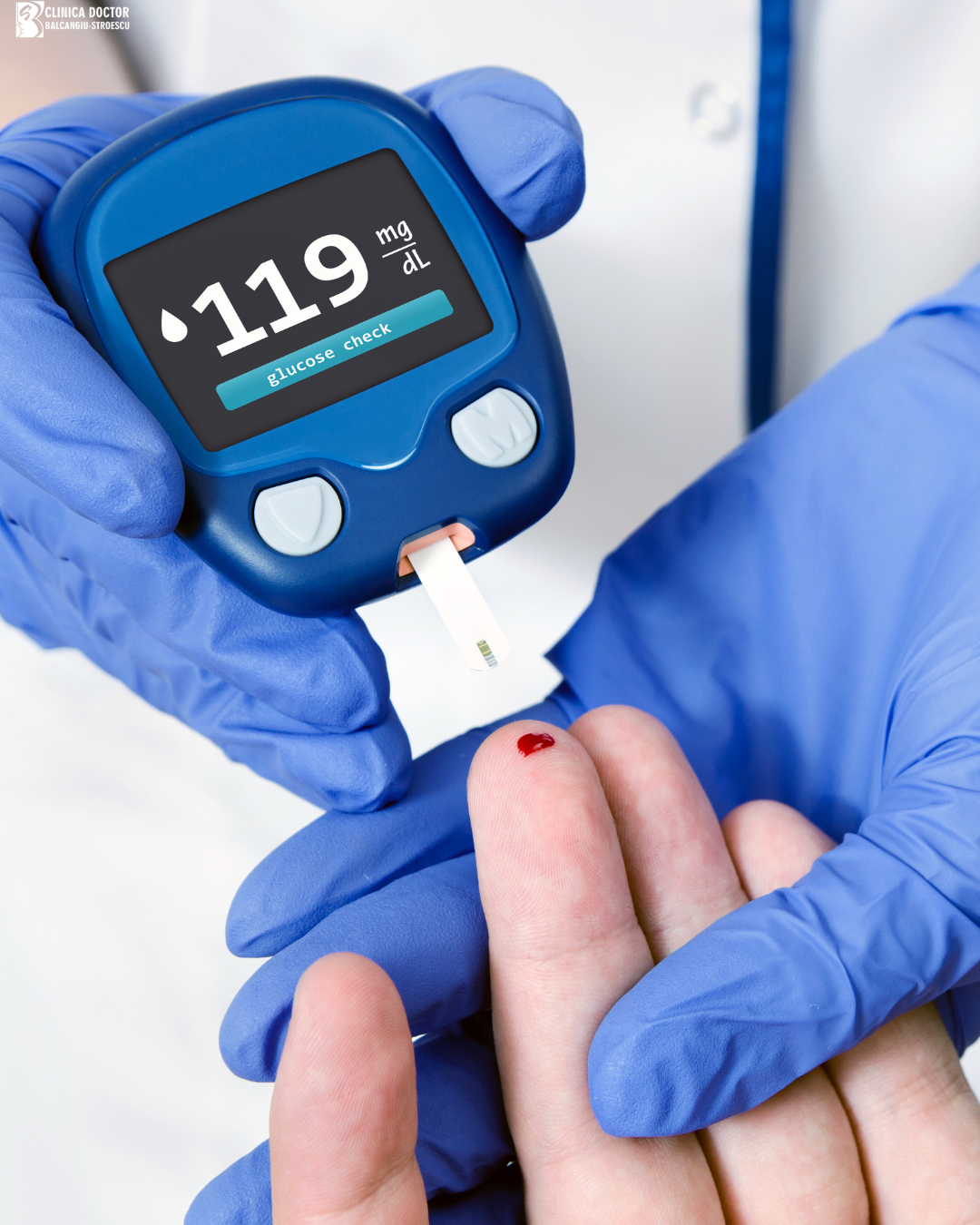
Fasting blood glucose
- below 100 mg/dl – normal
- above 126 mg/dl – diabetes
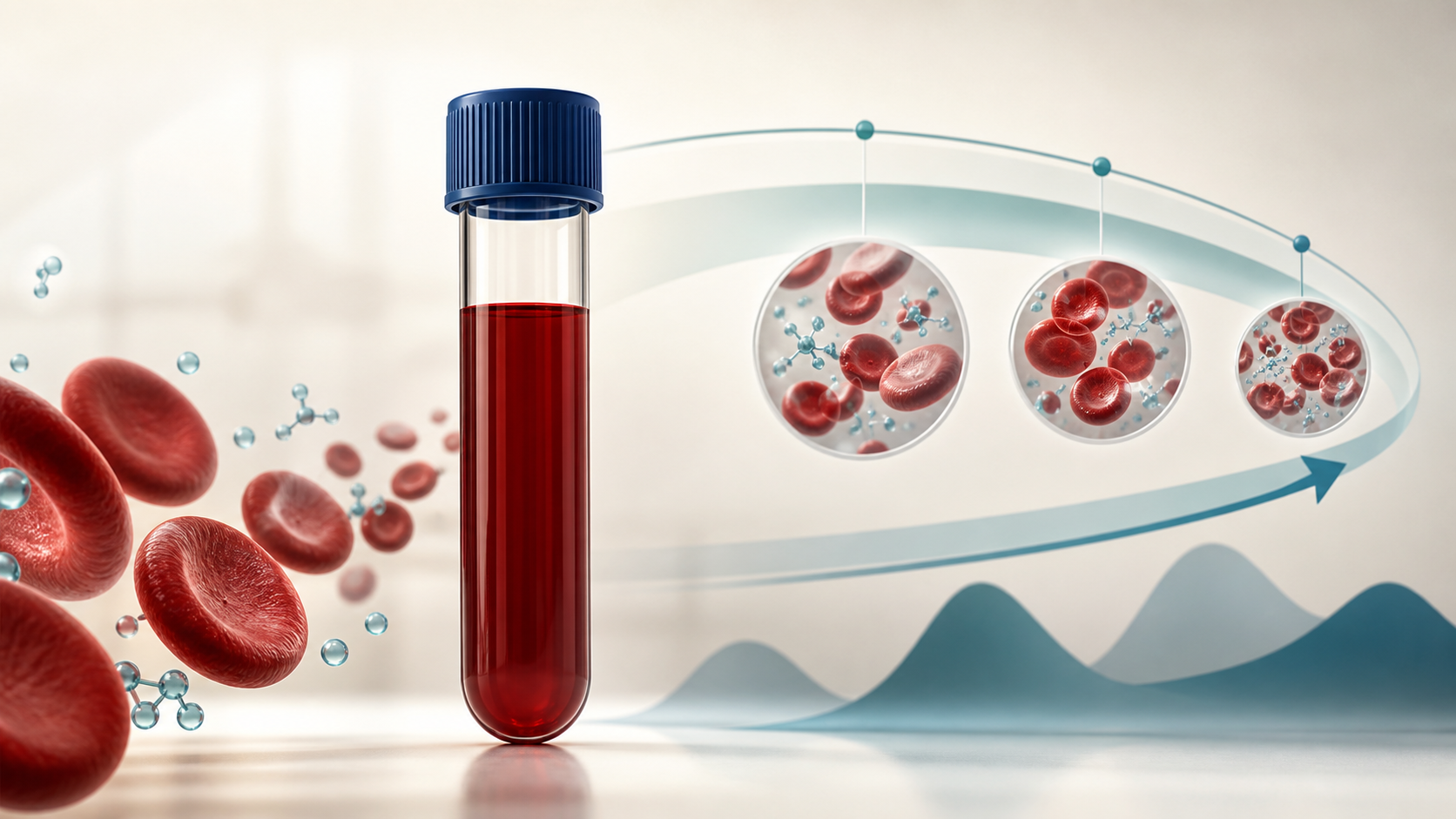
Glycated hemoglobin (HbA1c)
Reflects the average of blood glucose levels over the last 2–3 months:
- below 6.5% – good control (in general, the target may vary individually)
- above 6.5% – requires treatment adjustment
Postprandial blood glucose (after meals)
- ideally below 180 mg/dl at 1–2 hours after meals
Target values may differ depending on age, comorbidities, and your doctor's recommendation.
Symptoms of diabetes
Diabetes can sometimes be asymptomatic, but frequently symptoms include:
- excessive thirst
- frequent urination
- fatigue
- unintentional weight loss
- blurred vision
It is important that these symptoms are evaluated by a medical professional.
Treatment objectives
Diabetes treatment aims to:
- maintain blood glucose within target limits
- prevent complications
- improve quality of life
Diabetes management includes:
- appropriate nutrition
- physical activity
- pharmacological treatment (oral and/or injectable)
- regular monitoring
Diet in diabetes
Diet plays a central role in controlling blood glucose.
It is recommended to:
- increase consumption of vegetables and fiber
- choose whole grains
- eat regular, balanced meals
- limit sugar and sweets
- avoid sweetened beverages
- reduce ultra-processed foods
Portion control and carbohydrate distribution throughout the day are essential.
Physical activity
Physical exercise helps lower blood glucose and increases insulin sensitivity.
It is recommended to:
- at least 150 minutes of moderate physical activity per week
activities such as:
- brisk walking
- cycling
- swimming
- aerobic exercises
Physical activity should be tailored to each patient.
Blood glucose monitoring
Regular monitoring is essential for diabetes control.
The following can be used:
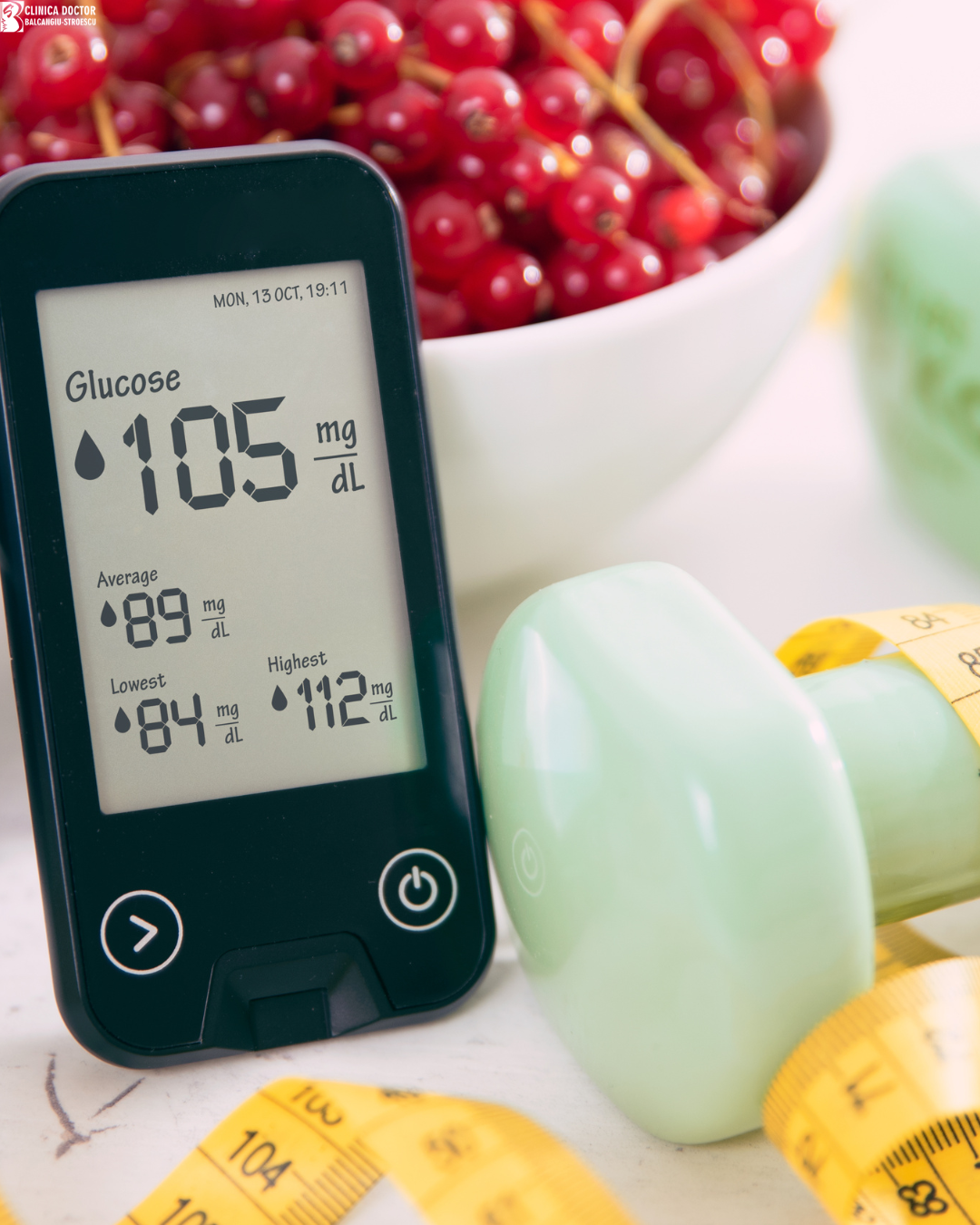
- glucometer (daily self-monitoring)
- continuous glucose monitoring sensors
Your doctor will recommend the frequency of measurements based on your treatment.
Pharmacological treatment
Treatment varies depending on the type of diabetes:
- oral antidiabetic agents
- insulin
- other injectable therapies
It is important to:
- follow your doctor's instructions
- adjust treatment based on blood glucose readings
- avoid self-medication
Complications of diabetes
If not well controlled, diabetes can lead to:
- cardiovascular disease
- kidney damage (nephropathy)
- eye damage (retinopathy)
- nerve damage (diabetic neuropathy)
- diabetic foot
Controlling blood glucose significantly reduces the risk of these complications.
Importance of medical check-ups
Regular consultations are essential for monitoring disease progression.
Your doctor will evaluate:
- blood glucose and HbA1c values
- blood pressure
- weight and abdominal circumference
- lipid profile
- kidney function
- condition of eyes and feet
Lifestyle and diabetes
Beyond treatment, lifestyle has a major impact:
- maintaining a healthy weight
- smoking cessation
- stress management
- adequate sleep
Conclusion
Diabetes mellitus is a chronic condition, but it can be effectively controlled through a proper and consistent approach.
Adopting a healthy lifestyle, monitoring blood glucose, and following the recommended treatment can prevent complications and ensure an active and balanced life.
For a personalized treatment and monitoring plan, periodic evaluation in a specialist consultation is recommended.