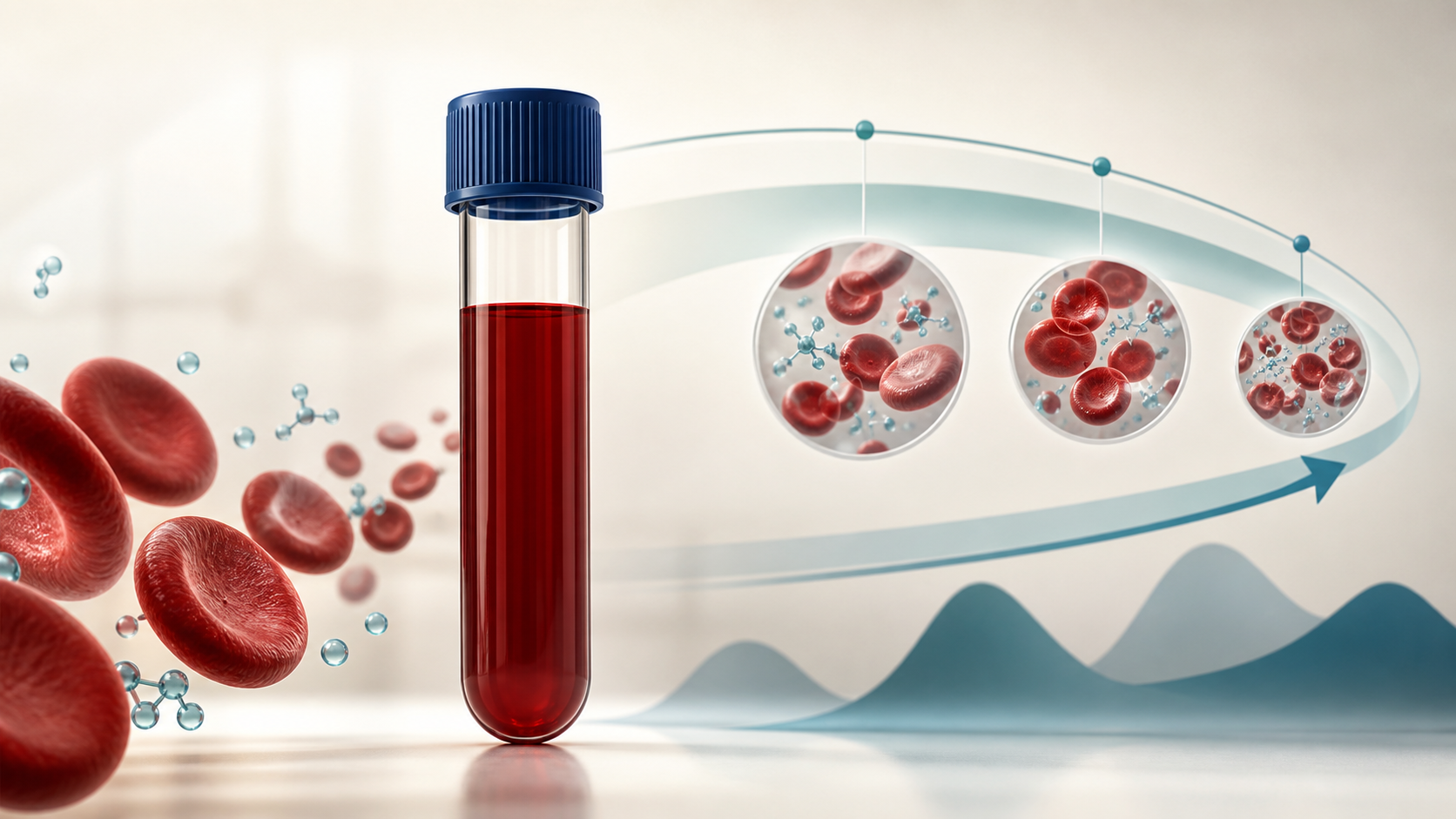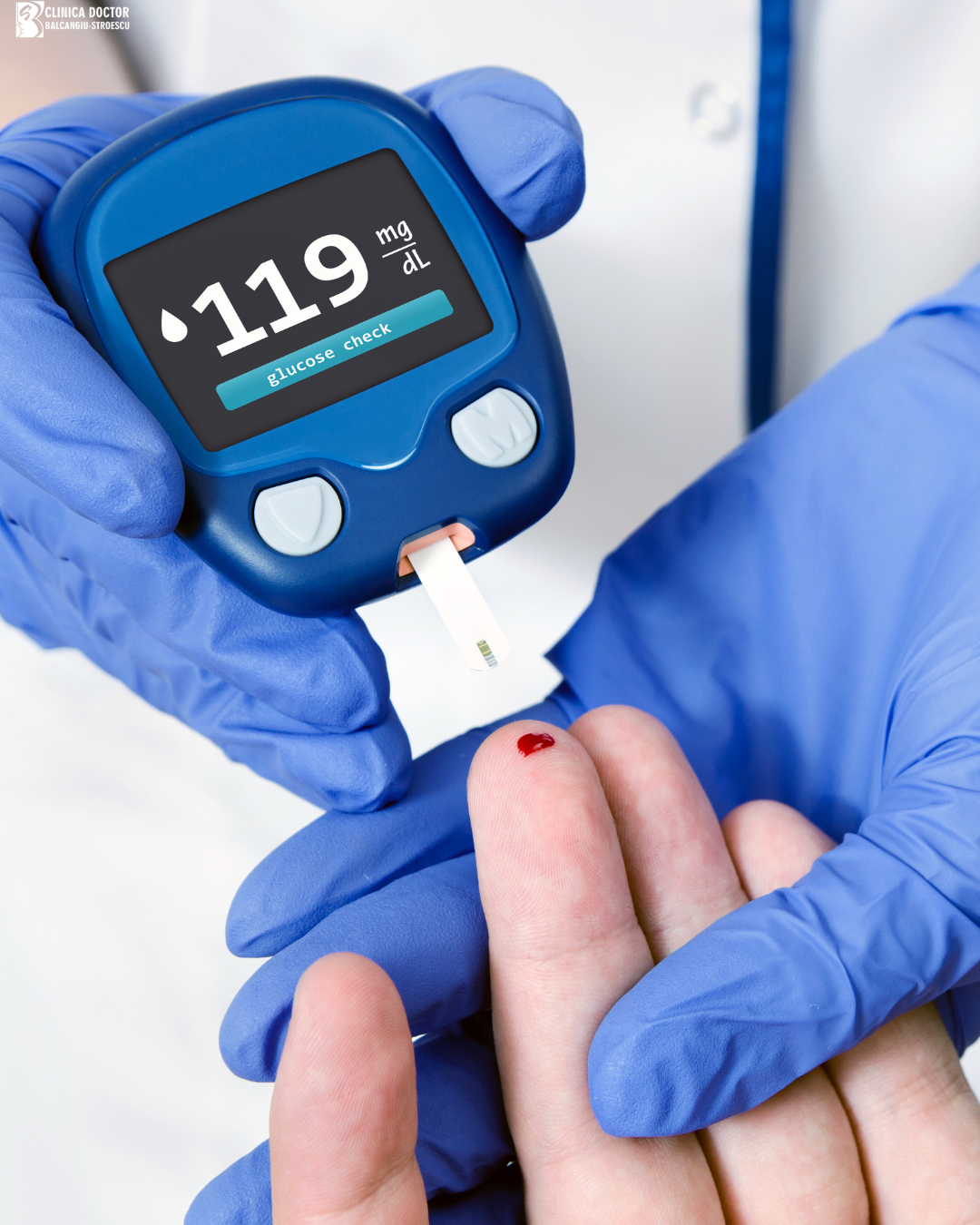
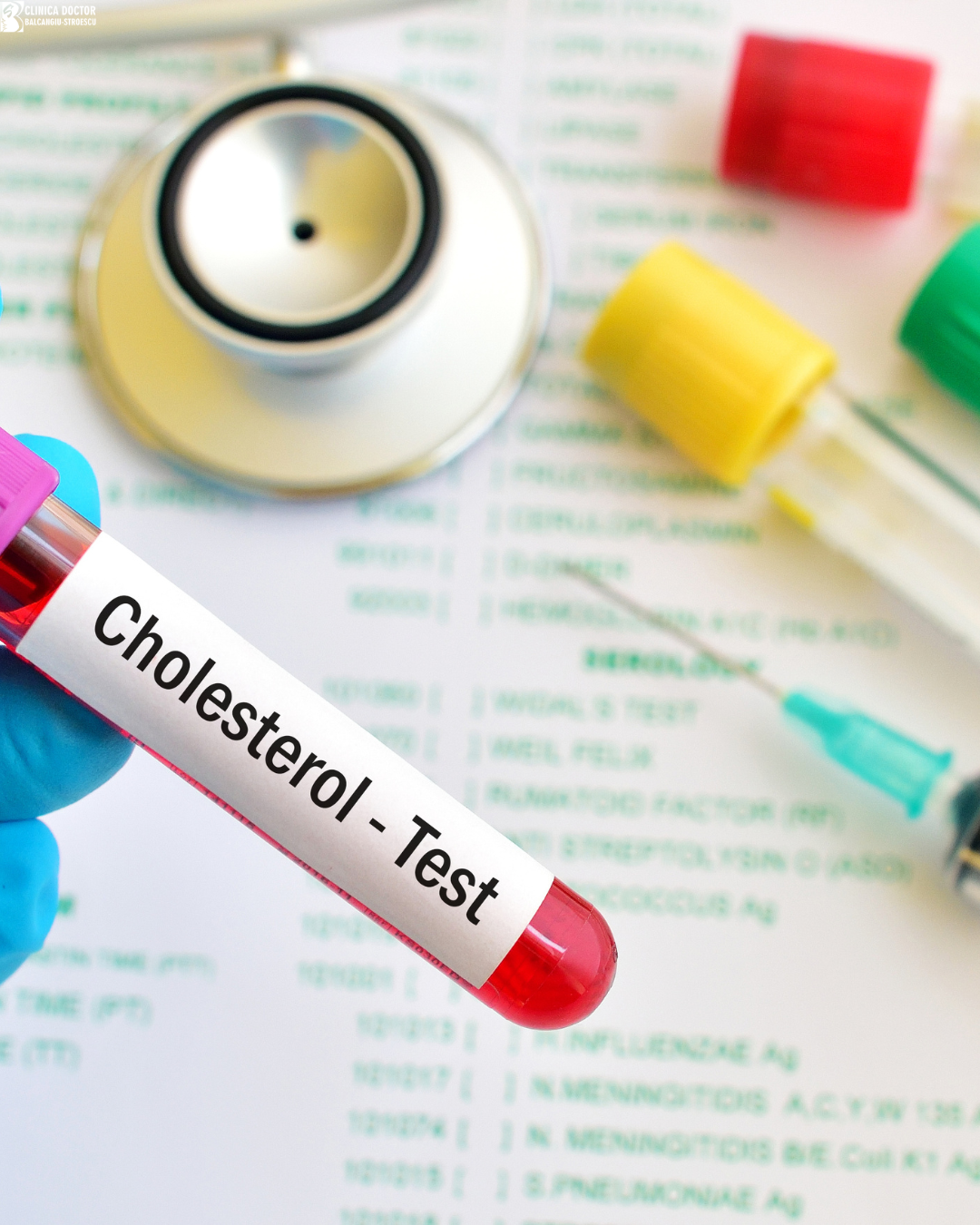
Dyslipidemia is a condition characterized by abnormal blood lipid levels, such as cholesterol and triglycerides. This problem is frequently encountered and can increase the risk of cardiovascular diseases, including myocardial infarction or stroke.
In many cases, dyslipidemia does not cause obvious symptoms, which is why it is often discovered during routine blood tests. Therefore, periodic monitoring of the lipid profile, appropriate treatment, and adoption of a healthy lifestyle are essential for preventing complications.
This guide provides important information for patients diagnosed with dyslipidemia.
What is dyslipidemia
Dyslipidemia occurs when blood lipid levels are abnormal.
The main types of lipids evaluated through blood tests are:
- total cholesterol
- LDL cholesterol ("bad" cholesterol)
- HDL cholesterol ("good" cholesterol)
- triglycerides
LDL cholesterol can contribute to the deposition of fat plaques on arterial walls, a process called atherosclerosis. This process can narrow the arteries and increase the risk of cardiovascular diseases.
HDL cholesterol has a protective role because it helps remove excess cholesterol from the blood.
Lipid panel values
The main test used for diagnosis is the lipid profile.
Reference values are:
Total cholesterol
- below 200 mg/dl – normal
- above 200 mg/dl – elevated
LDL cholesterol
- below 100 mg/dl – optimal *
- above 130 mg/dl – elevated
* LDL cholesterol target is determined based on cardiovascular risk calculated according to each patient's individual characteristics
HDL cholesterol
- above 40 mg/dl in men
- above 50 mg/dl in women
Triglycerides
- below 150 mg/dl – normal
- above 150 mg/dl – elevated
Target values may vary depending on each patient's cardiovascular risk.
Causes of dyslipidemia
Dyslipidemia can have multiple causes.
Unhealthy diet
Excessive consumption of foods rich in saturated fats (butter, lard, red meat) and trans fats (margarine, fast food, semi-prepared foods), sugar, or ultra-processed products can increase cholesterol and triglyceride levels.
Sedentary lifestyle
Lack of physical activity can contribute to increased LDL cholesterol and decreased HDL cholesterol.
Obesity
Excess weight is frequently associated with elevated blood lipid levels.
Genetic factors
Some people may have genetic predisposition to dyslipidemia.
Other conditions
Dyslipidemia can also occur in the context of other diseases, such as:
- diabetes mellitus
- hypothyroidism
- metabolic syndrome
Health risks
Dyslipidemia is one of the main risk factors for cardiovascular diseases.
Elevated levels of LDL cholesterol and triglycerides can contribute to the development of atherosclerosis.
Complications can include:
- myocardial infarction
- stroke
- peripheral arterial disease
Reducing blood lipid levels can significantly reduce the risk of these complications.
Recommended diet
Diet plays a very important role in controlling dyslipidemia.
It is recommended:
- increased consumption of vegetables and fruits
- choosing whole grains
- consumption of fish rich in omega-3 fatty acids
- use of extra virgin olive oil
- moderate consumption of nuts and seeds
At the same time, it is recommended to limit:
- saturated fats (butter, lard, red meat, full-fat dairy products) and trans fats (margarine, frozen pastries, semi-prepared foods, fast food)
- fried foods
- ultra-processed products
- sweets and sweetened beverages
Physical activity
Regular physical activity can help improve the lipid profile.
Benefits include:
- reduction of LDL cholesterol
- increase in HDL cholesterol
- reduction of triglycerides
- body weight control
At least 150 minutes of moderate physical activity per week is recommended.
Examples of activities include:
- walking
- swimming
- cycling
- aerobic exercises
Treatment of dyslipidemia
In some situations, lifestyle modifications may be sufficient to control dyslipidemia.
In other cases, the doctor may recommend medication treatment to reduce cholesterol levels.
Treatment is determined individually, based on:
- test values
- cardiovascular risk
- presence of other conditions
Monitoring tests
Patients with dyslipidemia should periodically have blood tests to assess their lipid profile.
The doctor may recommend repeating tests at set intervals to monitor treatment effectiveness and lifestyle changes.
Recommendations for patients
To control dyslipidemia, it is recommended:
- adoption of a healthy diet
- regular physical activity
- maintenance of appropriate body weight
- smoking avoidance
- periodic medical check-ups
Conclusion
Dyslipidemia is a common condition that can increase the risk of cardiovascular diseases. Monitoring tests, adoption of a healthy lifestyle, and adherence to medical recommendations are essential for maintaining cardiovascular health.
For lipid profile assessment and establishment of a personalized treatment plan, scheduling a medical consultation is recommended.