Clinica Medicala
News, insights, and health articles
Articles
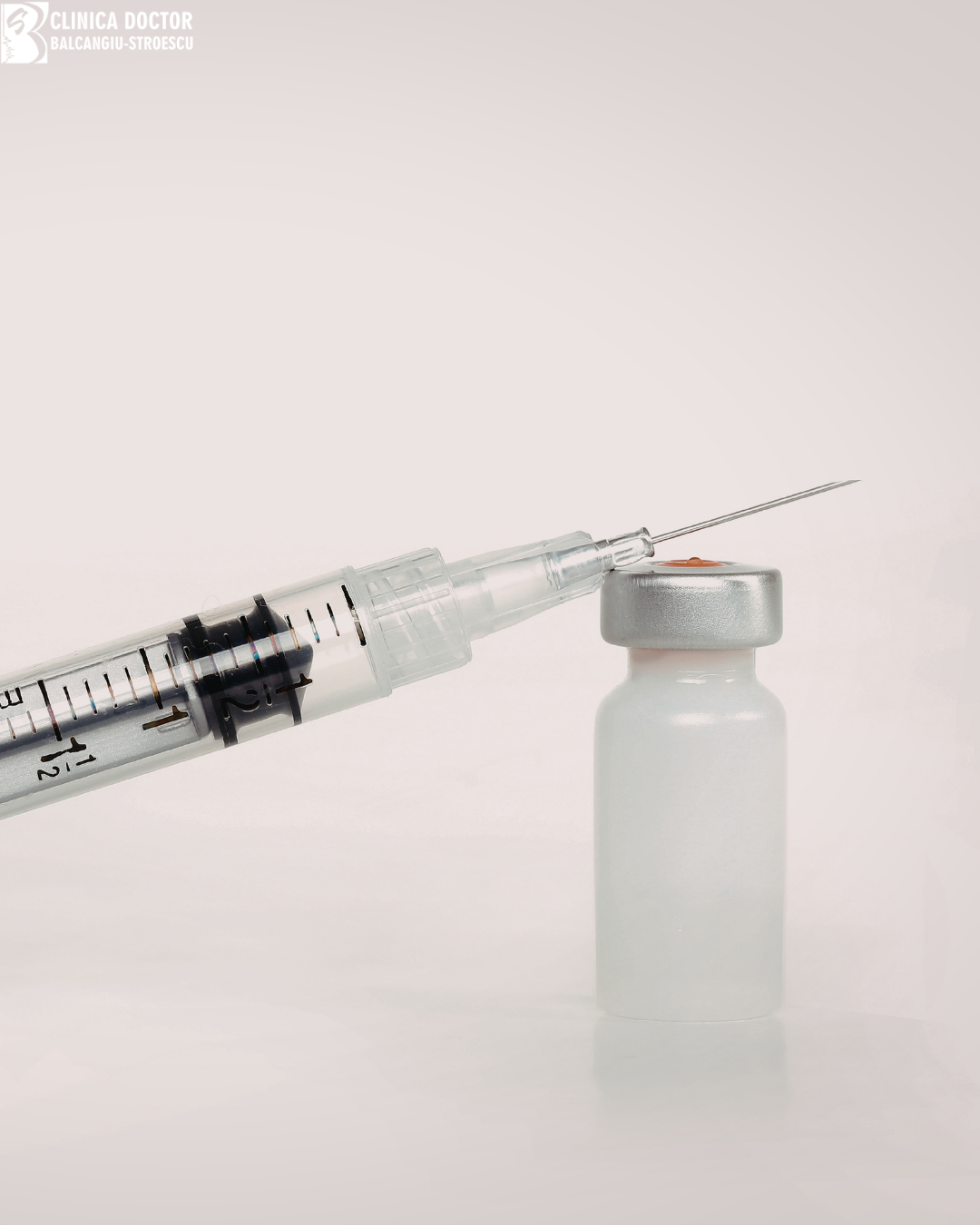
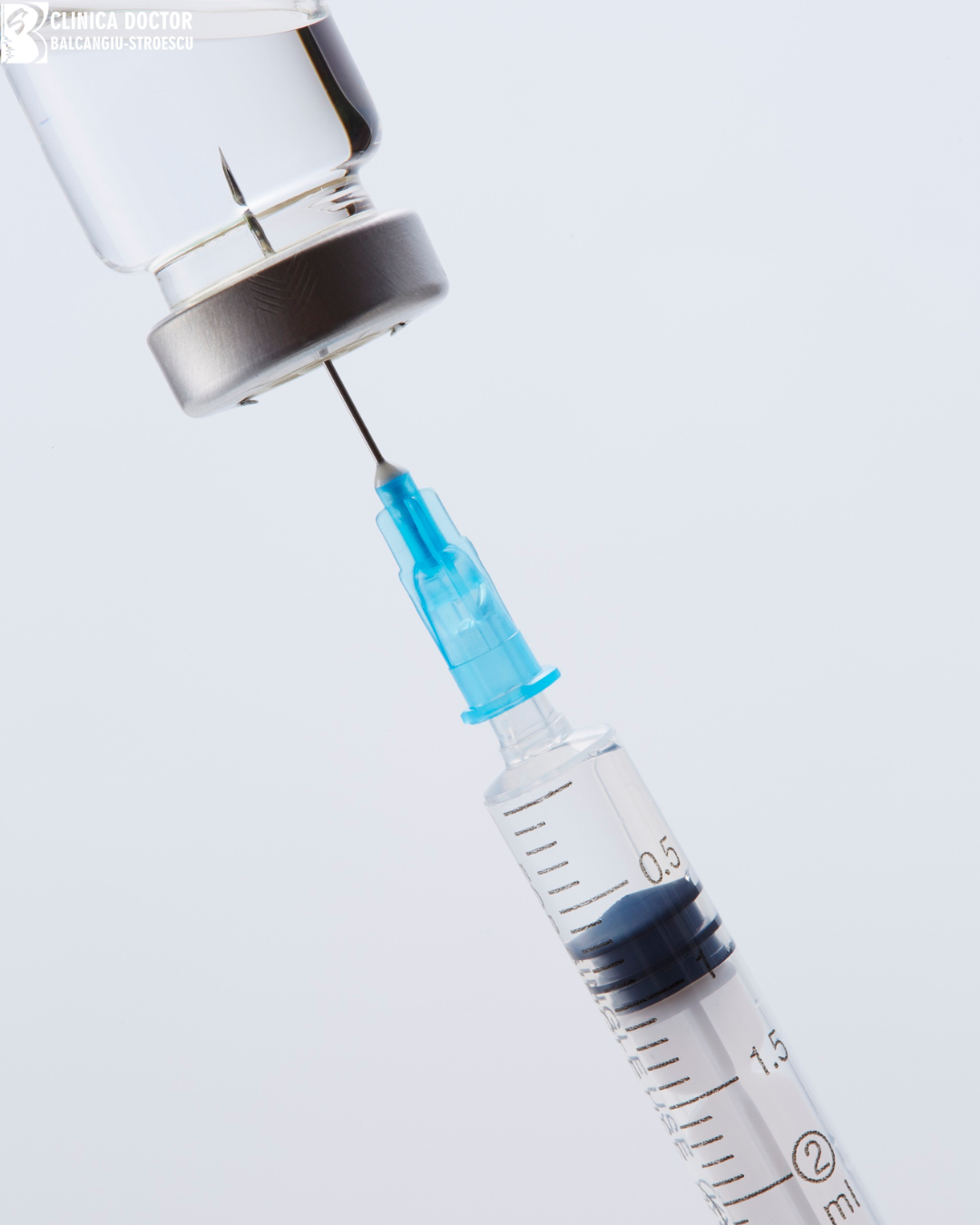
Semaglutide and tirzepatide are two modern medications used in the treatment of obesity, which act on hormones involved in the regulation of appetite and metabolism. Both are administered by subcutaneous injection once weekly and can produce significant weight loss. Semaglutide acts on GLP-1 receptors, reducing appetite, slowing gastric emptying and improving glycemic control, which can lead to weight loss of approximately 10–15%. Tirzepatide acts on two hormonal mechanisms (GIP and GLP-1), which can result in greater weight loss, of approximately 15–22% in clinical trials. Both treatments can improve blood glucose, blood pressure and lipid profile, contributing to the reduction of cardiometabolic risk. The choice of therapy is made individually, depending on the characteristics of each patient and should be integrated into a comprehensive obesity management program, which includes diet, physical activity and medical monitoring.
Obesity is a chronic disease associated with an increased risk of type 2 diabetes mellitus, cardiovascular diseases, and other metabolic complications. Although a balanced diet and physical activity represent the basis of treatment, in some cases these are not sufficient to achieve or maintain weight loss. In these situations, medication treatment can be a useful option, as it acts on the biological mechanisms that regulate appetite, satiety, and metabolism. This type of treatment is generally indicated in patients with BMI ≥ 30 kg/m² or in those with BMI ≥ 27 kg/m² in the presence of comorbidities, such as type 2 diabetes mellitus, hypertension, or dyslipidemia. Medication treatment can contribute to weight loss of approximately 5–15%, with significant benefits on metabolic health, being used as part of a comprehensive medical program that includes lifestyle modifications and periodic monitoring.
Obesity is a chronic disease associated with an increased risk of type 2 diabetes mellitus, cardiovascular disease, and other metabolic complications. When lifestyle modifications are insufficient for effective weight loss, pharmacological treatment can become an important option. Tirzepatide is an injectable medication administered once weekly, which acts on GIP and GLP-1 receptors, reducing appetite, increasing satiety sensation, and improving glycemic control. Treatment is indicated in patients with BMI ≥ 30 kg/m² or in those with BMI ≥ 27 kg/m² in the presence of comorbidities such as type 2 diabetes mellitus, hypertension, or dyslipidemia. Clinical studies show that tirzepatide can produce weight loss of approximately 15–22%, being used as part of a comprehensive program that includes balanced nutrition, physical activity, and medical monitoring.
Obesity is a chronic disease associated with an increased risk of type 2 diabetes mellitus, cardiovascular diseases, and other metabolic complications. When lifestyle modifications are insufficient for weight loss, pharmacological treatment may represent an effective option. Semaglutide is a medication from the class of GLP-1 receptor agonists, administered once weekly by subcutaneous injection. It acts by reducing hunger sensation, increasing satiety, and decreasing caloric intake, thereby contributing to weight loss and improvement of glycemic control. Treatment is indicated in patients with BMI ≥ 30 kg/m² or in those with BMI ≥ 27 kg/m² in the presence of comorbidities, such as type 2 diabetes mellitus, hypertension, or dyslipidemia. Clinical studies show that semaglutide can produce weight loss of approximately 10–15%, being used as part of a comprehensive program that includes balanced nutrition, physical activity, and medical monitoring.
Prediabetes - blood glucose levels are higher than normal, but not elevated enough for a diagnosis of diabetes mellitus. In most cases it produces no symptoms, however it indicates an increased risk of developing type 2 diabetes mellitus and cardiovascular disease. This condition frequently develops due to insulin resistance and is associated with factors such as excess weight, sedentary lifestyle, family history of diabetes, or age over 45 years. Prediabetes is, however, reversible in many cases. Through weight loss, regular physical activity, and balanced nutrition, the risk of progression to diabetes can be significantly reduced.
The ketogenic diet is a dietary regimen based on increased fat intake, controlled protein, and significant carbohydrate reduction, causing the body to utilize fats as the primary energy source (ketosis). It is a therapeutic intervention validated especially in epilepsy, where it can significantly reduce seizure frequency. Although it has promising applications in other metabolic or neurological conditions, the ketogenic diet is not suitable for everyone and must be initiated and medically monitored.
Proteins are essential for maintaining muscle mass, supporting immunity, and weight control. An adequate intake, adapted to body weight and activity level, contributes to blood glucose stabilization and metabolic protection. The quality of the source and distribution across each meal are more important than excessive quantity.
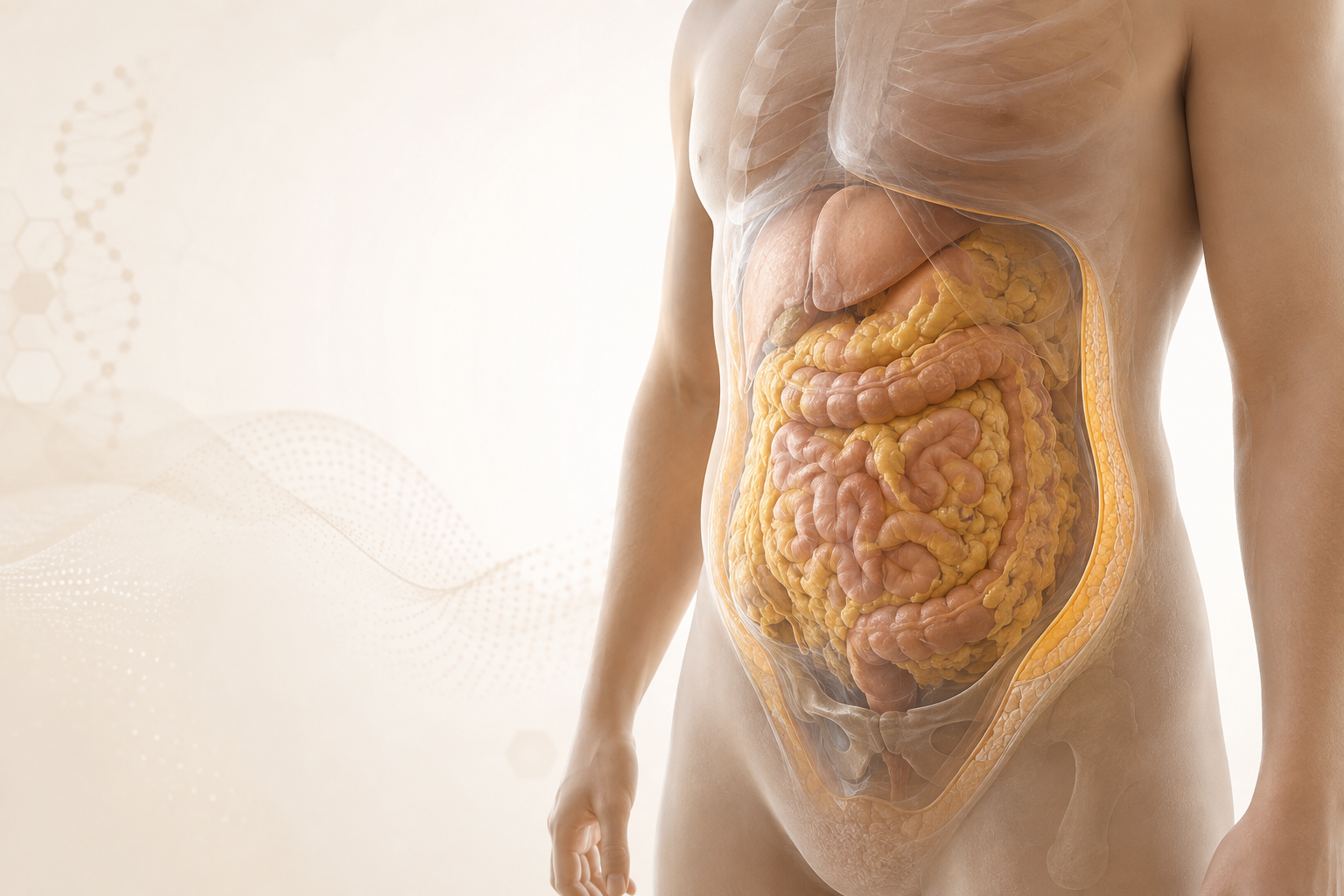
Visceral fat, accumulated around internal organs, promotes inflammation, insulin resistance, and increases the risk of diabetes and cardiovascular diseases. In contrast, muscle mass acts as a protective metabolic organ: it regulates blood glucose, supports fat burning, and reduces inflammation. Metabolic health depends not only on weight, but on the balance between visceral fat and muscle mass.
Food addiction is a real neurobiological phenomenon, determined by the activation of the dopaminergic reward system by ultra-processed foods rich in sugar, fats, and salt. Repeated consumption leads to brain adaptation, tolerance, and compulsive behavior, similar to other forms of addiction. Sugar has both an emotional and metabolic impact, maintaining a cycle of craving and repetitive consumption. Recovery involves progressive recalibration of the reward system through dietary structure, stress management, and consistency, a process that requires several weeks to several months.
Book an appointment online or contact us for more details.