Clinica Medicala
News, insights, and health articles
Articles
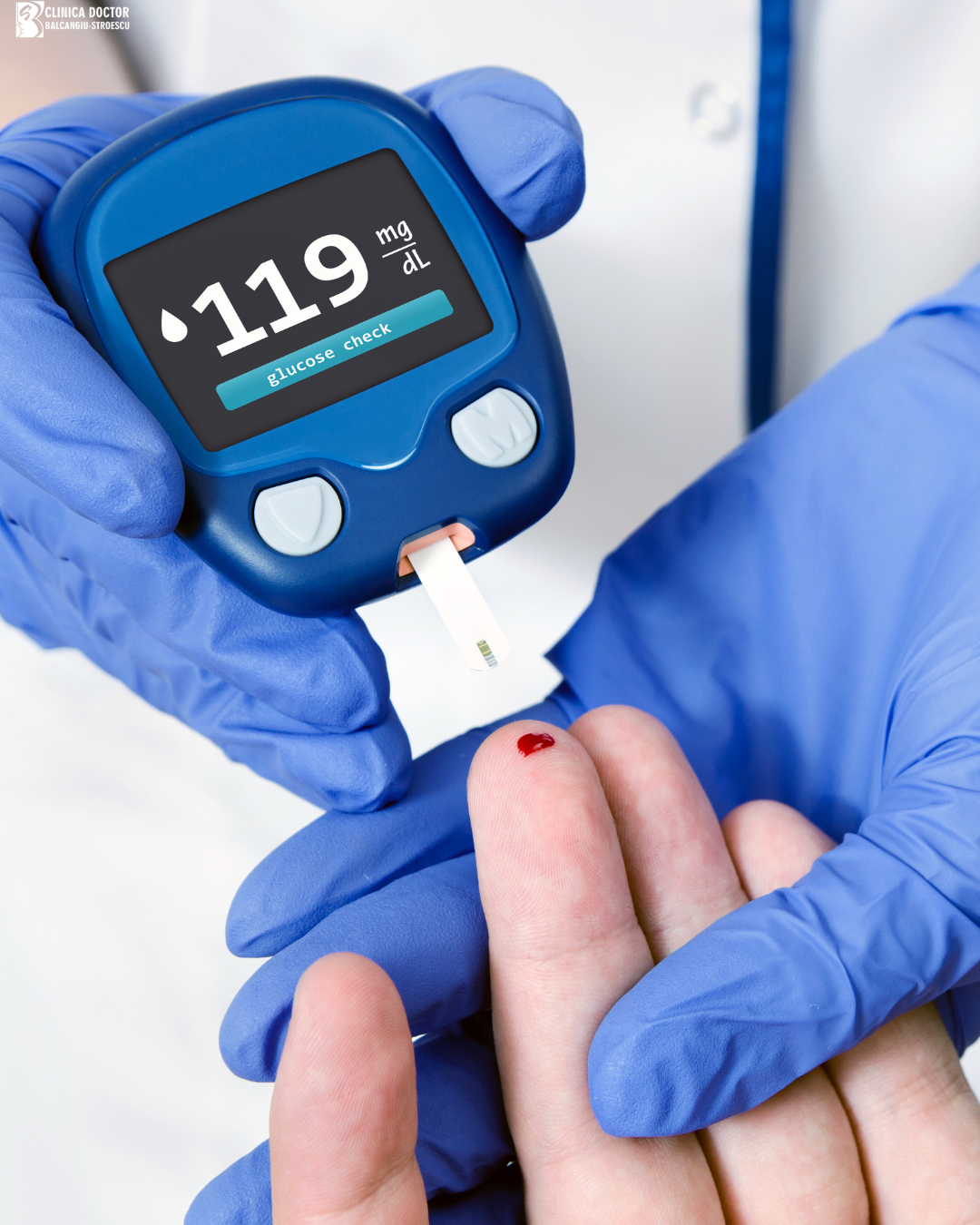
Management of type 2 diabetes mellitus requires a personalized metabolic strategy, based on precise carbohydrate control and integration of nutrition into the therapeutic protocol. Within our clinic, nutritional intervention is medically supervised and adapted to each patient's profile.
Nutrition represents an essential pillar of metabolic balance and long-term prevention. Within our clinic, nutritional intervention is personalized, integrated, and adapted to each patient's medical profile. The emphasis is placed on food quality, the appropriate proportion of macronutrients, and long-term sustainability, in a rigorous and individualized medical approach.
Phosphorus control in hemodialysis patients is based on correct dietary choices, limiting processed products rich in phosphates, adhering to prescribed treatment, and maintaining regular physical activity. Simple, minimally processed foods consumed in appropriate portions are safer, while mature cheeses, processed meats, cola-type beverages, and fast food should be limited. Consistent movement, even moderate activity, supports metabolic balance. In diabetic patients, the meal plan must be additionally adapted to simultaneously balance blood glucose, protein intake, and phosphorus levels. Phosphorus control is a progressive process based on correct information and collaboration with the physician.
Phosphorus control in chronically hemodialyzed patients depends on diet, physical activity, and the association with diabetes mellitus. The approach must be personalized and integrated.
Book an appointment online or contact us for more details.