Clinica Medicala
News, insights, and health articles
Articles
Hunger and satiety are controlled by continuous dialogue between the intestine and the brain, through hormones such as ghrelin (which stimulates appetite) and GLP-1, PYY, or CCK (which induce satiety). This mechanism can be influenced by diet, stress, and sleep. Understanding it helps us better manage appetite, weight, and metabolic health, without reducing everything to willpower.
Metabolic longevity is built through maintenance of muscle mass, balanced nutrition, quality sleep, stress management, and periodic monitoring. Simple habits, applied consistently, support not only life span but also its quality.
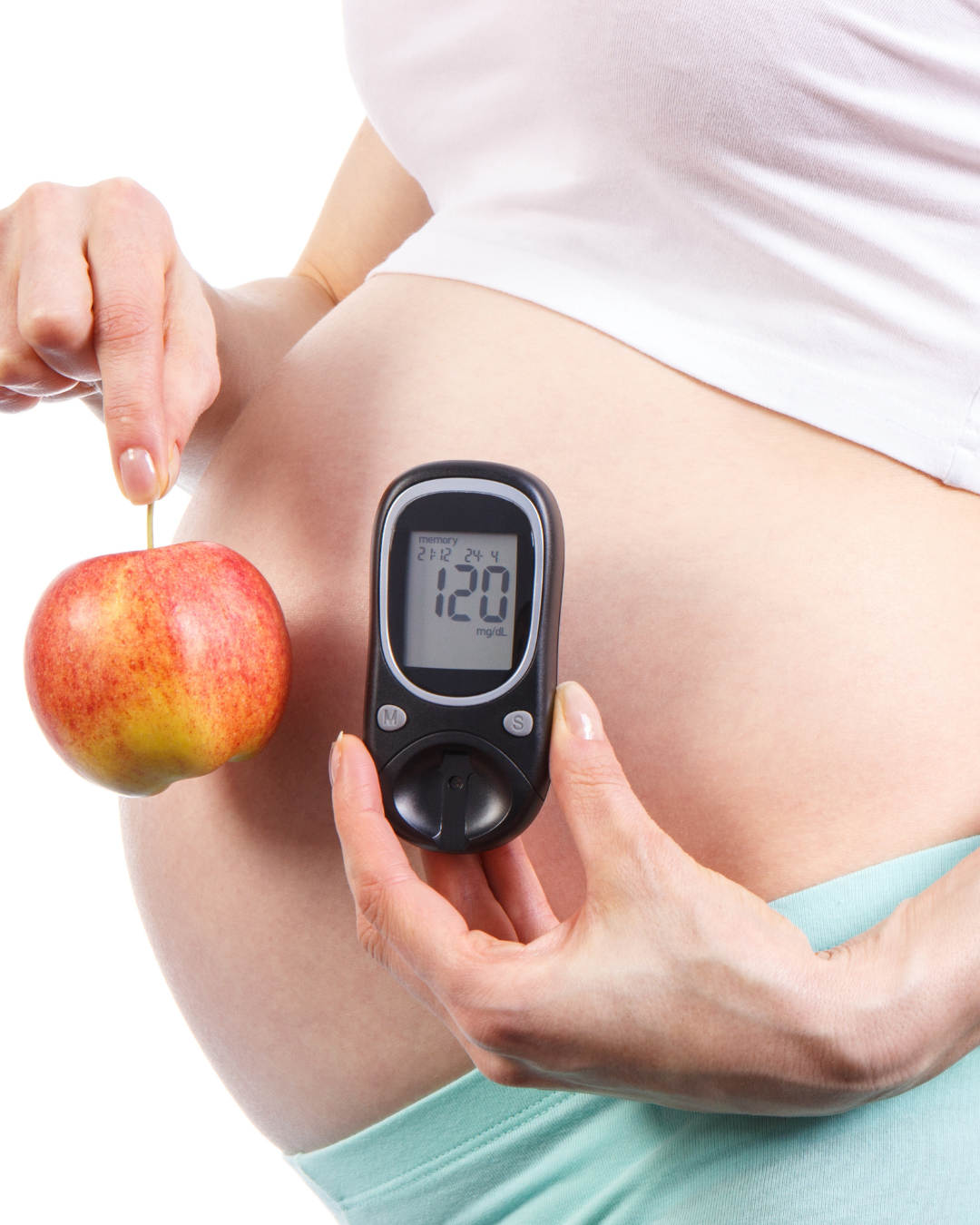
Nutritional monitoring in pregnancy and gestational diabetes is based on individual metabolic evaluation, strict glycemic control and continuous adaptation of the dietary plan. The approach is integrative, oriented toward maternal safety and optimal fetal development.
Visceral fat, accumulated around internal organs, promotes inflammation, insulin resistance, and increases the risk of diabetes and cardiovascular diseases. In contrast, muscle mass acts as a protective metabolic organ: it regulates blood glucose, supports fat burning, and reduces inflammation. Metabolic health depends not only on weight, but on the balance between visceral fat and muscle mass.
Nutrition in pregnancy requires a personalized medical approach, based on assessment of nutritional status, macronutrient balance, and adequate supplementation of essential micronutrients. Dietary recommendations must be scientifically grounded and adapted to each patient to support a healthy pregnancy and optimal fetal development.
.
Book an appointment online or contact us for more details.