Clinica Medicala
News, insights, and health articles
Articles
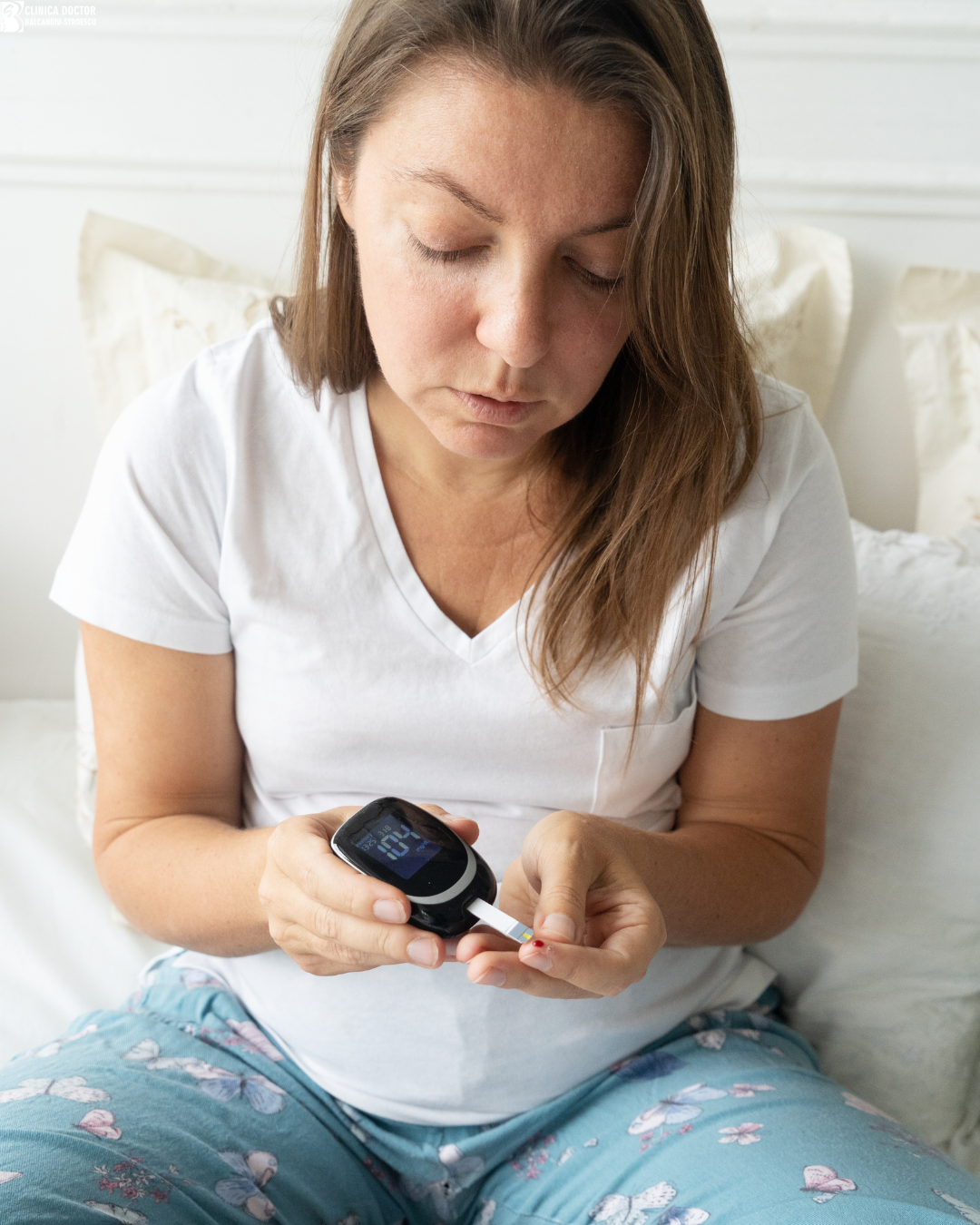
Type 2 diabetes mellitus is the most common form of diabetes and represents approximately 90% of diabetes cases worldwide. This condition occurs when the body no longer uses insulin effectively (insulin resistance) and the pancreas no longer produces sufficient insulin to maintain blood glucose levels within normal limits. Type 2 diabetes can progress for many years without obvious symptoms. For this reason, many people discover they have diabetes following routine laboratory tests. However, in some cases signs appear that may indicate the presence of the disease. Recognizing these symptoms is important for early diagnosis and for initiating treatment.
People with diabetes frequently face stress from managing the disease daily, but when lack of energy and motivation persist, it may be depression — a real condition that directly influences glycemic control and quality of life. The relationship between diabetes and depression is bidirectional: the constant burden of treatment can lead to emotional exhaustion, and depression can reduce treatment adherence, worsening the disease. Warning signs include loss of interest in activities, persistent fatigue, sleep disturbances, changes in appetite, concentration difficulties, and neglect of treatment. Depression affects blood glucose both through behaviors (eating, medication, sleep) and through biological mechanisms, creating a vicious cycle between emotional state and metabolic control. Early intervention is essential. Simple steps such as establishing a daily routine, maintaining social contact, and consulting with a doctor or psychologist can make an important difference. Psychotherapy, medication treatment, and support groups are effective resources. A brief self-screening and a practical 7-day plan can help recognize symptoms and regain control. The goal is not perfection, but returning to balance and a healthier relationship with self-care.
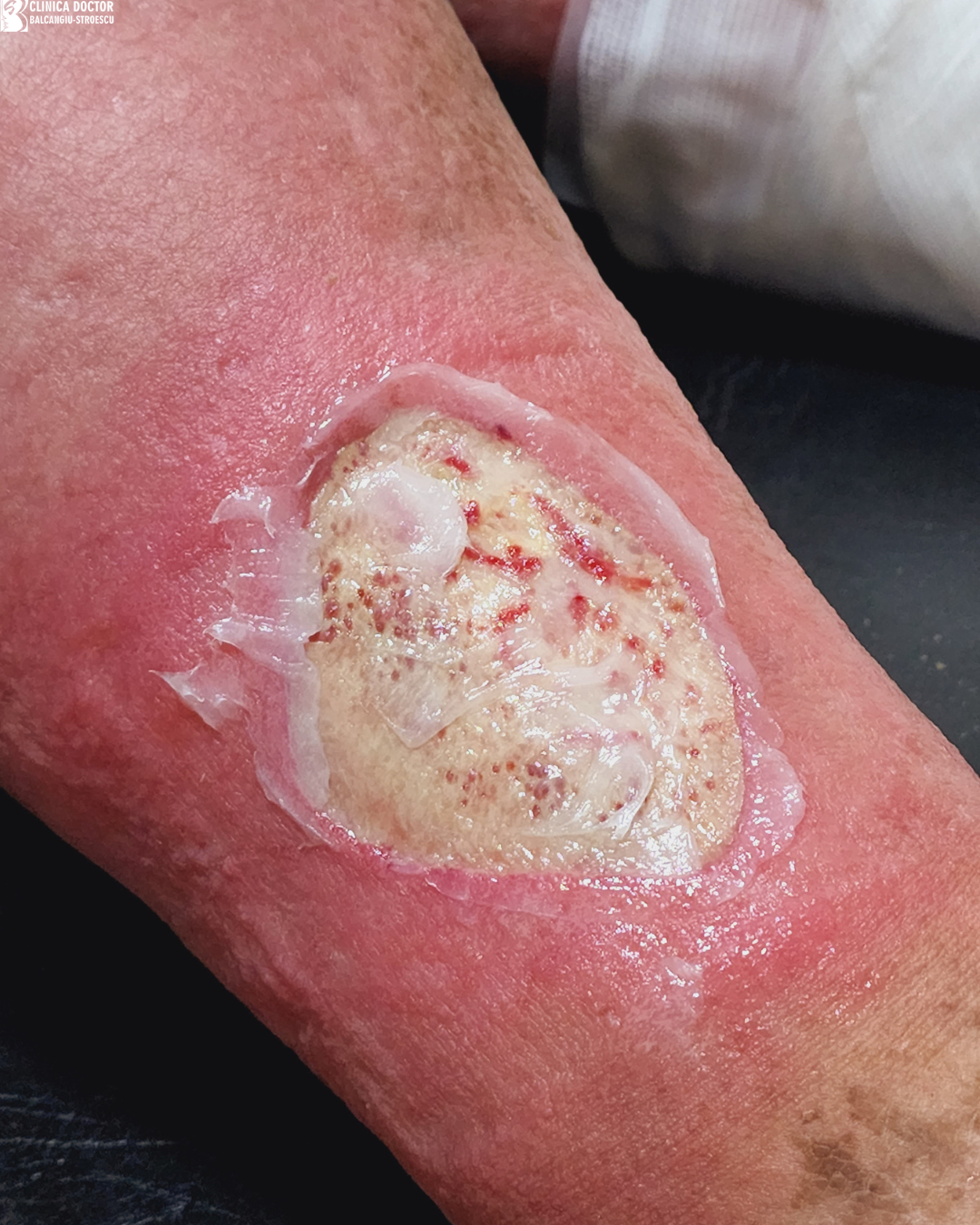
Diabetes mellitus can affect not only internal organs but also the skin, often being the first place where visible signs of the disease appear. Among the most frequent manifestations are skin dryness and itching, thickening of the integument, slow wound healing, decreased sensation, and increased predisposition to skin infections. In more advanced cases, ulcers may develop at the foot level, with increased risk of complications. These problems are favored by both elevated blood glucose levels and damage to nerves and circulation. Proper management involves an interdisciplinary approach, in which glycemic control is essential, along with careful skin care and early monitoring of any lesions. Collaboration between an endocrinologist and dermatologist contributes to the prevention and effective treatment of skin complications.
Diabetes requires strict daily discipline, but beyond the medical aspect, it entails a complex emotional experience. The relationship with the disease oscillates between the need for control and the desire for freedom, between compliance and making one's own decisions. Blood glucose monitoring and dietary rules are not merely routine, but can become laden with profound psychological significance, linked to guilt, perfectionism, or opposition to authority. The prohibition of sweets can transform eating into a psychological space of desire and loss, and adaptation to the disease can trigger a process of grief and depressive experiences. Without acknowledging these emotions, self-care risks being perceived as a constraint, not as an act of care. Psychotherapy offers a framework in which these conflicts can be understood and integrated. Through collaboration between the patient and the medical team, discipline can be transformed from a rigid set of rules into a gentler and more conscious relationship with one's own body. The goal is not perfect control, but building a balanced relationship with oneself, in which care becomes a form of freedom, not a limitation.
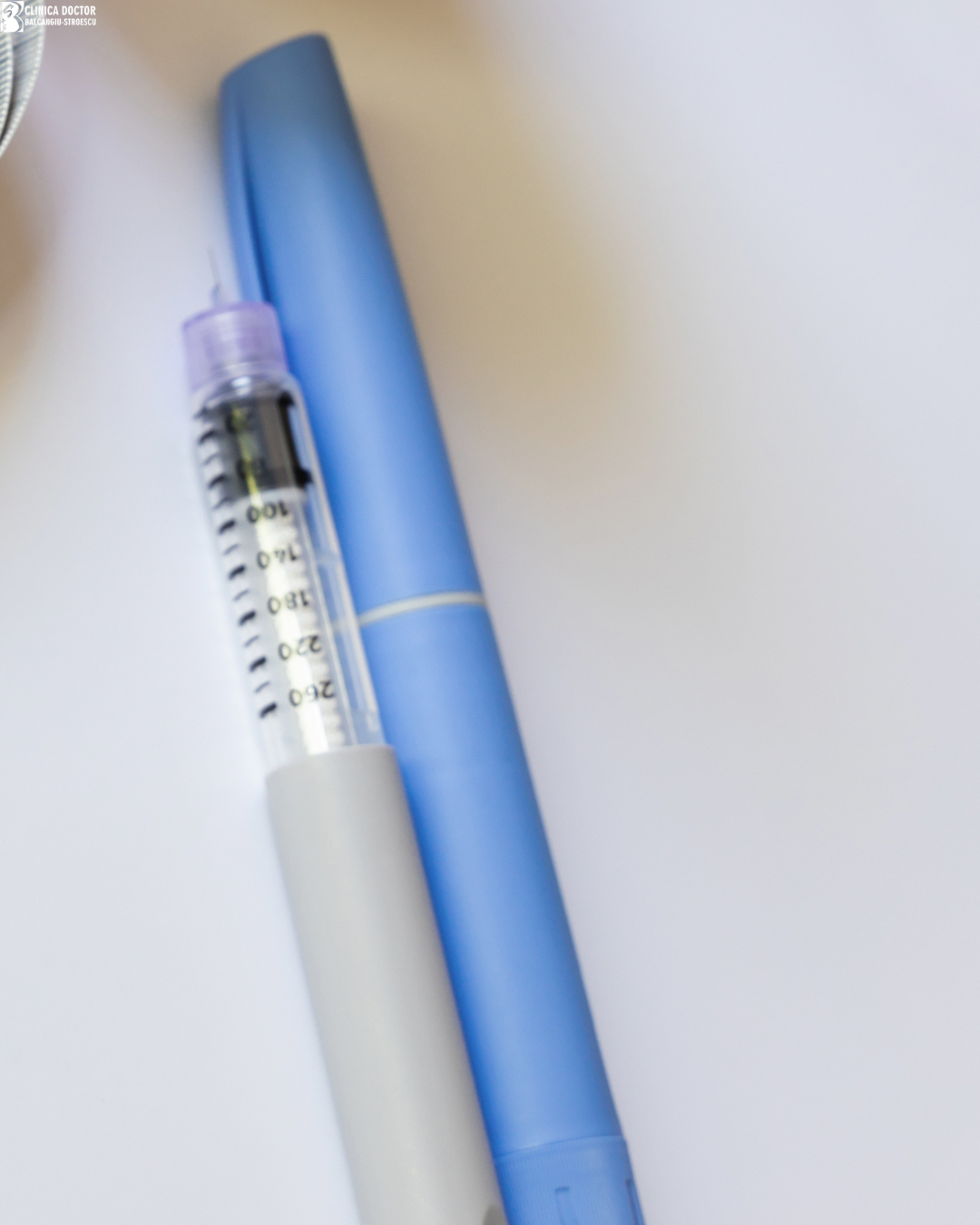
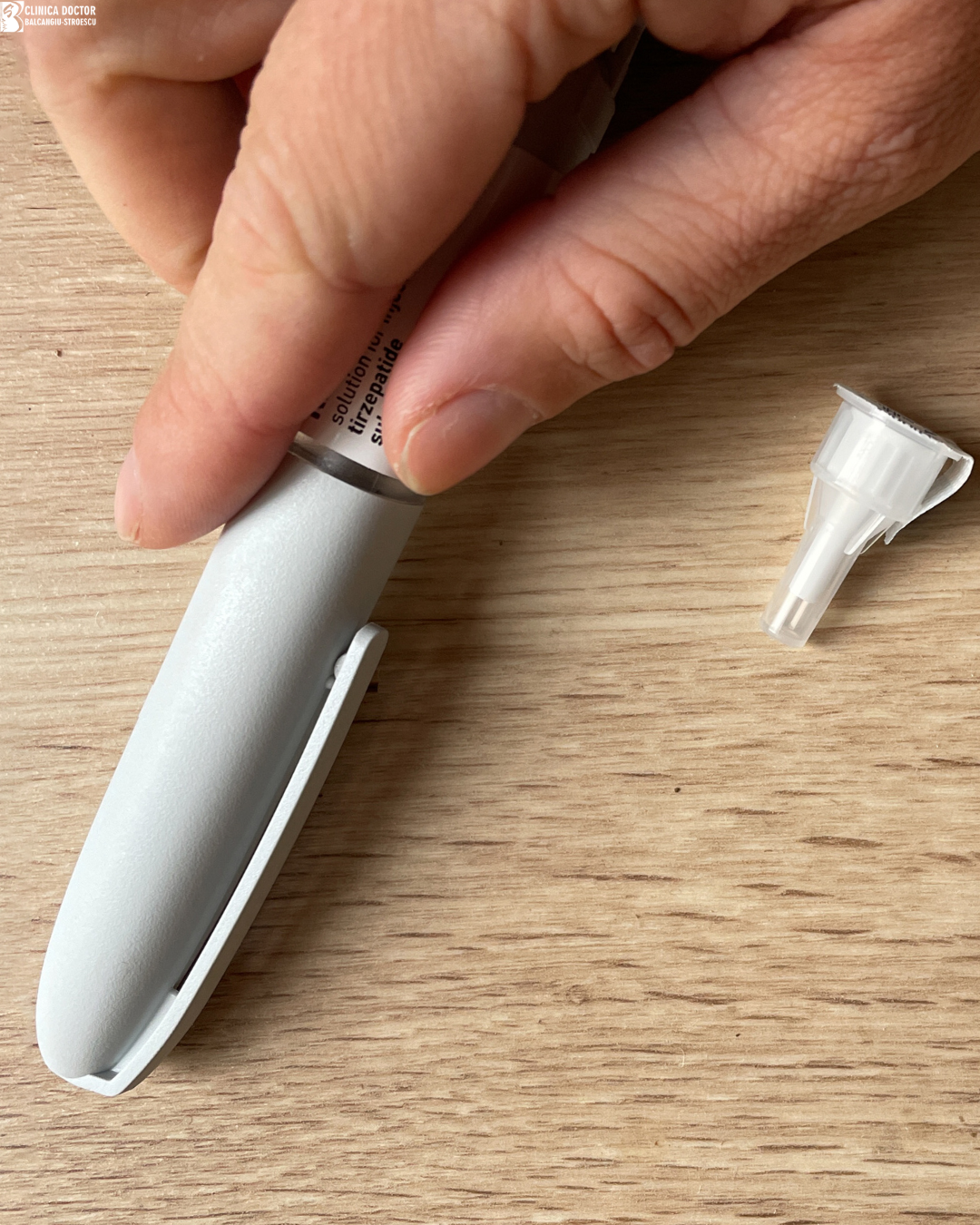
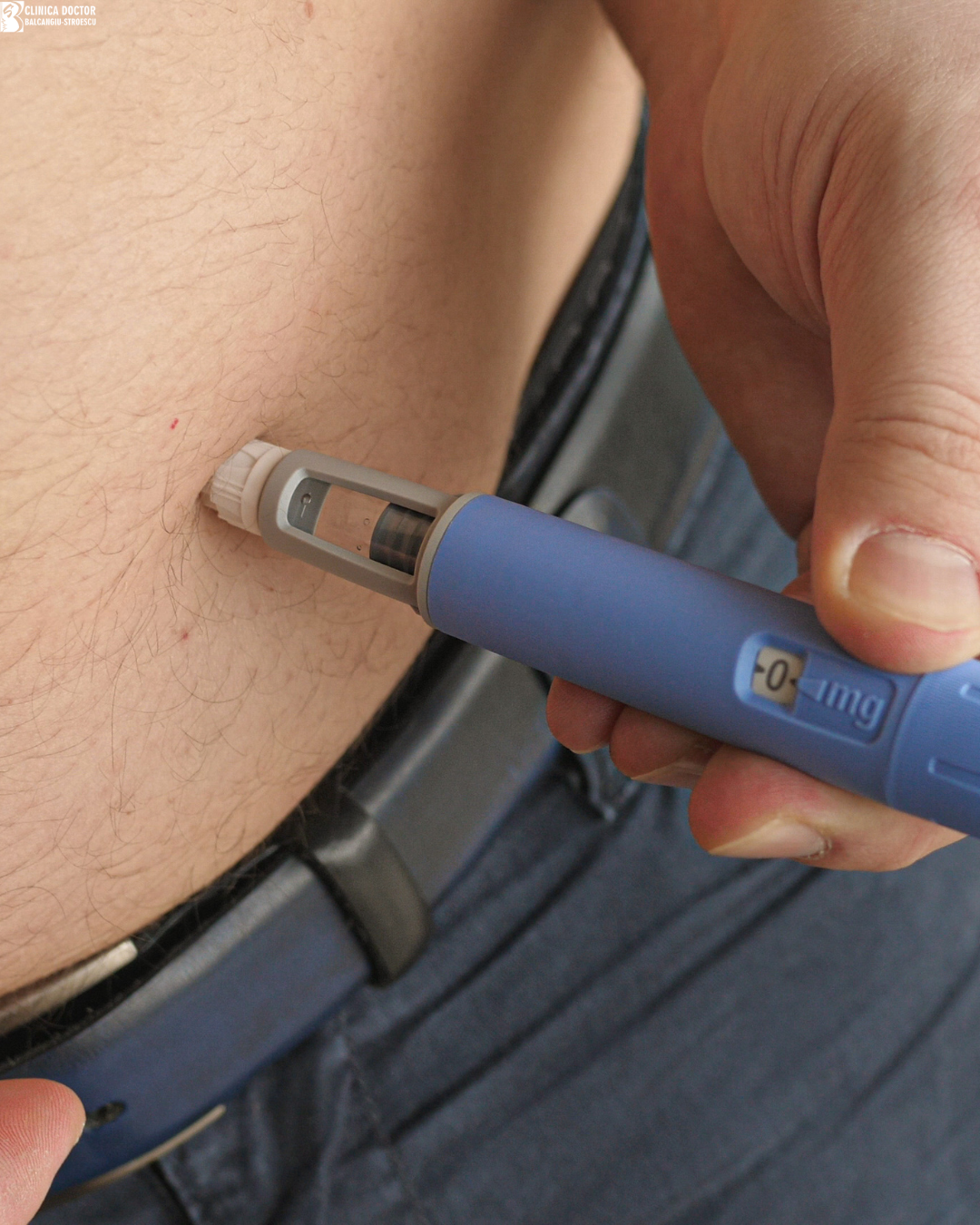
Semaglutide and tirzepatide are two modern medications used in the treatment of obesity, which act on hormones involved in the regulation of appetite and metabolism. Both are administered by subcutaneous injection once weekly and can produce significant weight loss. Semaglutide acts on GLP-1 receptors, reducing appetite, slowing gastric emptying and improving glycemic control, which can lead to weight loss of approximately 10–15%. Tirzepatide acts on two hormonal mechanisms (GIP and GLP-1), which can result in greater weight loss, of approximately 15–22% in clinical trials. Both treatments can improve blood glucose, blood pressure and lipid profile, contributing to the reduction of cardiometabolic risk. The choice of therapy is made individually, depending on the characteristics of each patient and should be integrated into a comprehensive obesity management program, which includes diet, physical activity and medical monitoring.
Obesity is a chronic disease associated with an increased risk of type 2 diabetes mellitus, cardiovascular diseases, and other metabolic complications. Although a balanced diet and physical activity represent the basis of treatment, in some cases these are not sufficient to achieve or maintain weight loss. In these situations, medication treatment can be a useful option, as it acts on the biological mechanisms that regulate appetite, satiety, and metabolism. This type of treatment is generally indicated in patients with BMI ≥ 30 kg/m² or in those with BMI ≥ 27 kg/m² in the presence of comorbidities, such as type 2 diabetes mellitus, hypertension, or dyslipidemia. Medication treatment can contribute to weight loss of approximately 5–15%, with significant benefits on metabolic health, being used as part of a comprehensive medical program that includes lifestyle modifications and periodic monitoring.
Obesity is a chronic disease associated with an increased risk of type 2 diabetes mellitus, cardiovascular disease, and other metabolic complications. When lifestyle modifications are insufficient for effective weight loss, pharmacological treatment can become an important option. Tirzepatide is an injectable medication administered once weekly, which acts on GIP and GLP-1 receptors, reducing appetite, increasing satiety sensation, and improving glycemic control. Treatment is indicated in patients with BMI ≥ 30 kg/m² or in those with BMI ≥ 27 kg/m² in the presence of comorbidities such as type 2 diabetes mellitus, hypertension, or dyslipidemia. Clinical studies show that tirzepatide can produce weight loss of approximately 15–22%, being used as part of a comprehensive program that includes balanced nutrition, physical activity, and medical monitoring.
Obesity is a chronic disease associated with an increased risk of type 2 diabetes mellitus, cardiovascular diseases, and other metabolic complications. When lifestyle modifications are insufficient for weight loss, pharmacological treatment may represent an effective option. Semaglutide is a medication from the class of GLP-1 receptor agonists, administered once weekly by subcutaneous injection. It acts by reducing hunger sensation, increasing satiety, and decreasing caloric intake, thereby contributing to weight loss and improvement of glycemic control. Treatment is indicated in patients with BMI ≥ 30 kg/m² or in those with BMI ≥ 27 kg/m² in the presence of comorbidities, such as type 2 diabetes mellitus, hypertension, or dyslipidemia. Clinical studies show that semaglutide can produce weight loss of approximately 10–15%, being used as part of a comprehensive program that includes balanced nutrition, physical activity, and medical monitoring.
Prediabetes - blood glucose levels are higher than normal, but not elevated enough for a diagnosis of diabetes mellitus. In most cases it produces no symptoms, however it indicates an increased risk of developing type 2 diabetes mellitus and cardiovascular disease. This condition frequently develops due to insulin resistance and is associated with factors such as excess weight, sedentary lifestyle, family history of diabetes, or age over 45 years. Prediabetes is, however, reversible in many cases. Through weight loss, regular physical activity, and balanced nutrition, the risk of progression to diabetes can be significantly reduced.
Book an appointment online or contact us for more details.